

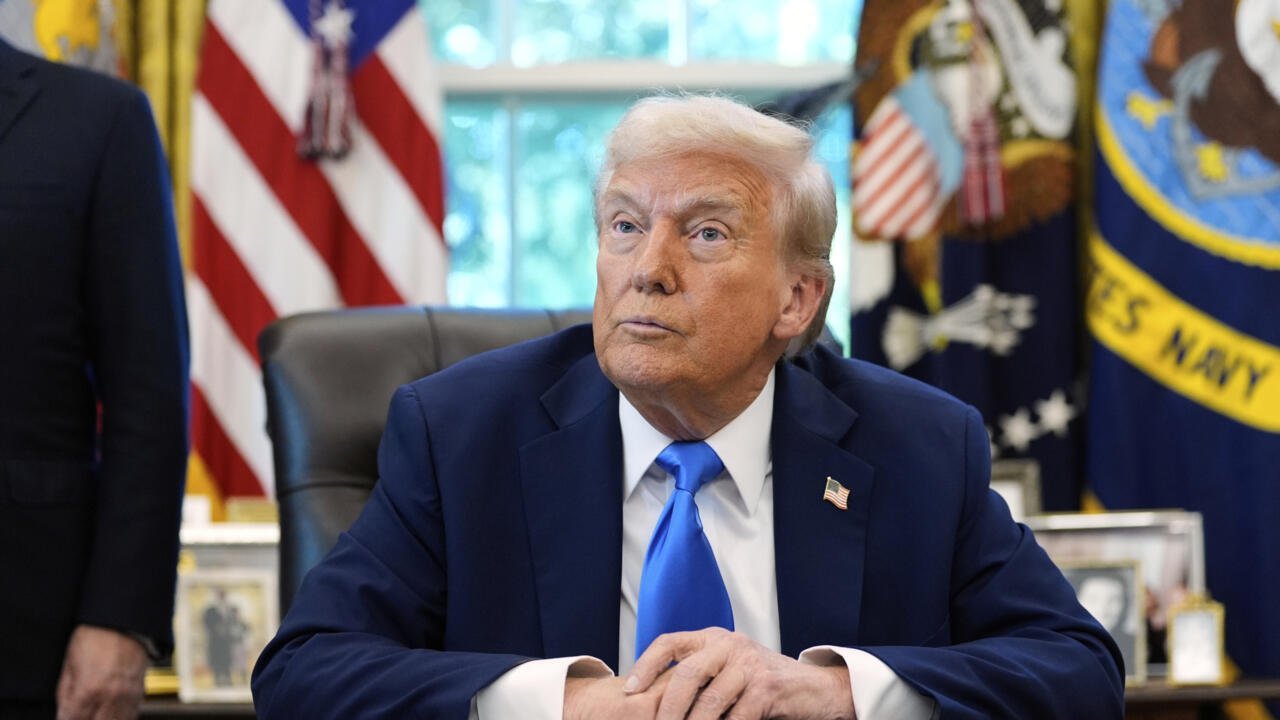
US President Donald Trump has signed a new proclamation expanding entry restrictions to the United States for nationals of several countries. This decision, justified by national security and immigration control concerns, could have significant economic, diplomatic, and migratory implications.
The new presidential proclamation strengthens and expands entry restrictions on US territory for nationals of several countries considered to have shortcomings in control, identity verification, and secure information sharing. The measure maintains restrictions already imposed on twelve high-risk countries, including Afghanistan, Iran, Libya, Somalia, and Yemen. It also introduces additional total suspensions for five countries: Burkina Faso, Mali, Niger, South Sudan, and Syria. People traveling with documents issued by the Palestinian Authority are also subject to these total restrictions.
Additionally, two countries previously subject to partial limitations — Laos and Sierra Leone — are now subject to a complete suspension. New partial restrictions for several countries The proclamation also provides partial restrictions for fifteen additional countries, several in Africa. These include Angola, Benin, Côte d’Ivoire, Nigeria, Senegal, Tanzania, Zambia, and Zimbabwe. These limitations concern certain types of visas, including tourist, student, and temporary professional visas.
The US authorities cite high rates of visa overstay, shortcomings in identification systems, and a lack of cooperation in repatriating expellable nationals. For example, according to data from the Department of Homeland Security for fiscal year 2024, Benin has a visa overstay rate of 12.34% for tourist visas and 36.77% for student and exchange visas.
Exceptions for certain categories The proclamation provides several exceptions. Lawful permanent residents, holders of already valid visas, certain diplomats, and athletes participating in international competitions can continue to enter US territory. Waivers may also be granted on a case-by-case basis when a national’s entry is deemed to be in the national interest of the United States.
The US administration justifies these restrictions by the need to strengthen immigration control capabilities and encourage affected countries to improve their identity management and information-sharing systems. According to the White House, several targeted countries suffer from widespread corruption, failing birth registration systems, or unreliable civil documents, complicating identity verification.
The US authorities also highlight the presence of terrorist or criminal activities in certain regions, as well as the refusal of some countries to take back their expelled nationals.
Economic and migratory implications Beyond security concerns, these restrictions could impact migration flows, academic exchanges, and certain economic relations between the United States and affected countries. Limitations on student and professional visas could affect academic mobility and talent circulation, altering the balance of migration flows to the United States.
This new measure is in line with the restrictive immigration policy implemented during Donald Trump’s first term, already marked by travel bans targeting several countries. The US Supreme Court had validated these restrictions, considering they fell under presidential competence in national security matters.
Secondine GOZINGAN











Leave a comment