


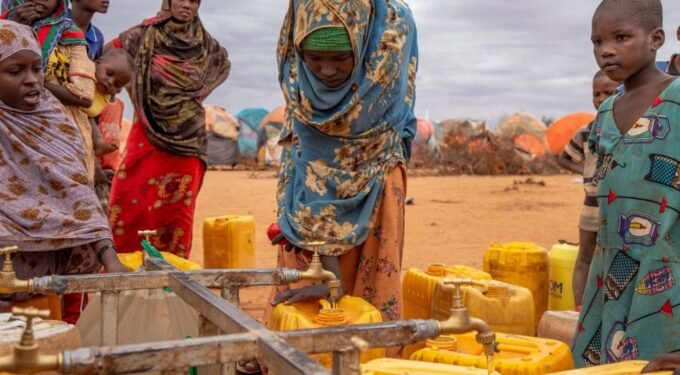
Agriculture remains central to livelihoods across much of Africa, employing a significant share of the population. Yet the sector faces mounting pressure from climate variability, including irregular rainfall patterns, soil degradation, and rising temperatures.
To address these challenges, many countries are adopting climate smart agriculture practices. These include drought resistant crops, improved irrigation systems, digital weather forecasting tools, and cooperative farming models designed to increase productivity while preserving ecosystems.
Renewable energy solutions, particularly solar powered irrigation, are enabling rural communities to maintain production even in regions with limited grid access. Such innovations reduce vulnerability to climate shocks while supporting food security.
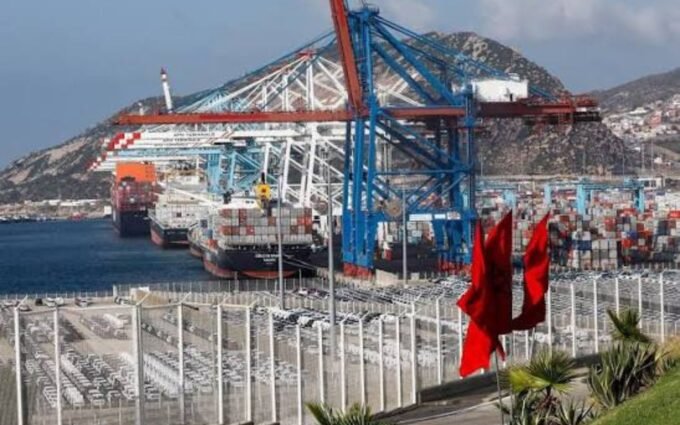
Development institutions emphasize that strengthening agricultural value chains is essential not only for feeding growing populations but also for reducing dependence on imported food products. Agro processing, storage infrastructure, and regional trade corridors are becoming critical components of this transformation.
Africa’s response to climate pressure is increasingly characterized by adaptation driven innovation, blending traditional knowledge with modern technology to build resilient rural economies.











Leave a comment