

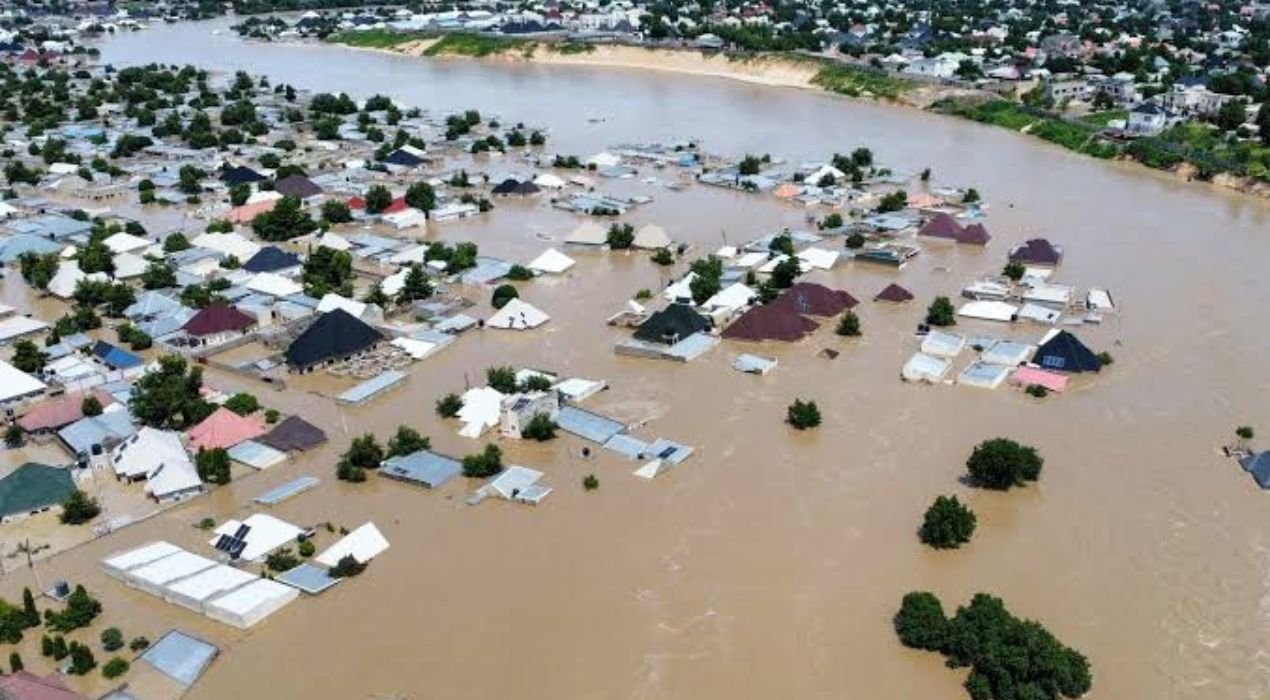
Heavy rains and devastating floods are continuing to affect several West African countries, including Niger, Côte d’Ivoire, Nigeria, and Ghana, leaving behind widespread destruction, displacement, and growing humanitarian concerns.
In Niger, the village of Gabgoura, about 20 kilometers from Niamey, remains highly exposed to seasonal flooding. Located on the banks of the Niger River and crossed by a stream, the area is also affected by a large nearby pond that regularly overflows into the village.
Last year’s floods left more than a hundred people homeless, and many families have still not been able to rebuild their houses. Faced with the recurring threat, residents have resorted to basic protective measures, including sandbag barriers, drainage trenches, and the clearing of blocked roadside canals in an effort to reduce water overflow.
In Côte d’Ivoire, the toll from the rainy season has already reached 59 deaths, according to government figures. One of the most affected areas is the village of Zegban, near Fresco in the southwest of the country.
Civil protection teams deployed inflatable boats and rescue equipment to evacuate around 60 families. While floodwaters are gradually receding, many homes remain uninhabitable. The disaster has also destroyed farmlands, leaving several households without livelihoods. In the same area, rescuers recovered the body of a 32-year-old man after extensive search operations.
In Nigeria, authorities in the southeast and the Niger Delta have intensified emergency measures, including evacuations and the opening of temporary shelters. Officials are also under pressure to improve drainage systems, strengthen preparedness, and ensure that public warnings are communicated in local languages to better reach vulnerable communities.
Beyond flooding, Cameroon is facing a growing concern over rising drug consumption, particularly among young people, whether in school or outside the education system.
Experts point to multiple contributing factors, including increasing social tolerance, curiosity, peer influence, desire for pleasure, and attempts to escape daily hardships.
A case study shared by health professionals highlights both the risks and the possibility of recovery. A 34-year-old former drug user explained that he began smoking at the age of ten before gradually becoming dependent on harder substances. His recovery was made possible through family support and medical treatment in addiction care services. He is now a university student and lives a stable life.
Health workers stress that addiction is a chronic condition but not a life sentence. They call for stronger prevention strategies targeting young people, alongside improved access to treatment and rehabilitation services.












Leave a comment