

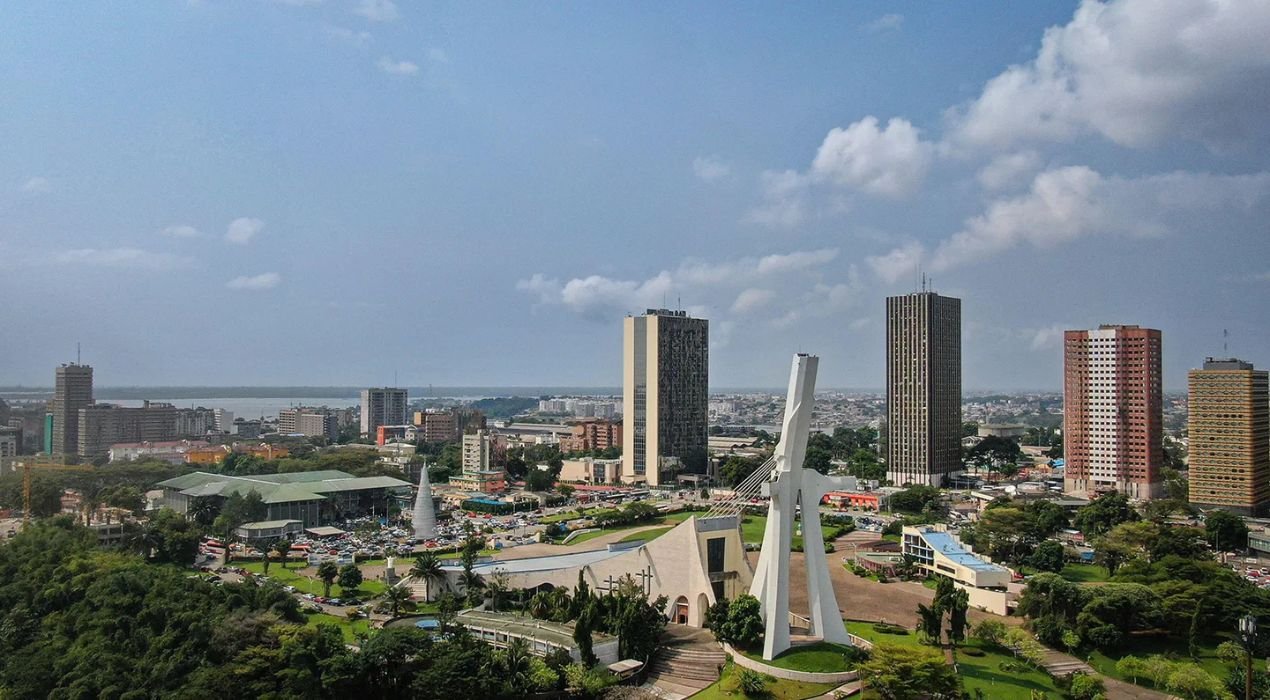
Ivory Coast has secured major financial commitments for its new 2026–2030 National Development Plan (PND), with development partners pledging more than 47 trillion CFA francs during the opening day of the country’s consultative group meeting in Abidjan.
The amount—equivalent to approximately €81.8 billion—is four times higher than the government’s initial fundraising target for the event and represents an important step toward financing the country’s ambitious five-year development strategy, which requires 114 trillion CFA francs in total.
International donors cited Ivory Coast’s strong economic performance as a key reason for their support, highlighting annual economic growth of 6.5% and a 94% public investment execution rate.
World Bank Expands Investment
The World Bank Group emerged as the largest contributor, announcing plans to triple its investment portfolio in Ivory Coast.
Ousmane Diagana, the World Bank’s Vice President for Western and Central Africa, said the institution would use all of its financial instruments to help reduce investment risks, attract private capital, and accelerate job-creating projects, particularly in agri-industry, infrastructure, and renewable energy.
Private Sector Expected to Lead
While public development partners have shown strong support, the Ivorian government says the private sector will play the central role in delivering the plan.
Planning Minister Souleymane Diarrassouba said the international commitments send a strong signal of confidence to investors, noting that private companies are expected to finance more than 70% of the National Development Plan.
He encouraged businesses to seize opportunities through public-private partnerships and innovative financing mechanisms, describing Ivory Coast as an attractive destination for long-term investment.
Focus on Economic Transformation
Beyond large infrastructure projects, the government intends to use the investments to accelerate structural transformation across key sectors, particularly agriculture.
Authorities are placing a strong emphasis on agricultural mechanization to modernize farming, increase productivity, and make the sector more attractive to young Ivorians.
Presented in May and approved by Parliament, the 2026–2030 National Development Plan outlines the country’s economic and social priorities for the next five years, with the goal of transforming Ivory Coast into an upper-middle-income economy through sustained growth, industrialization, and increased private investment.






Leave a comment