
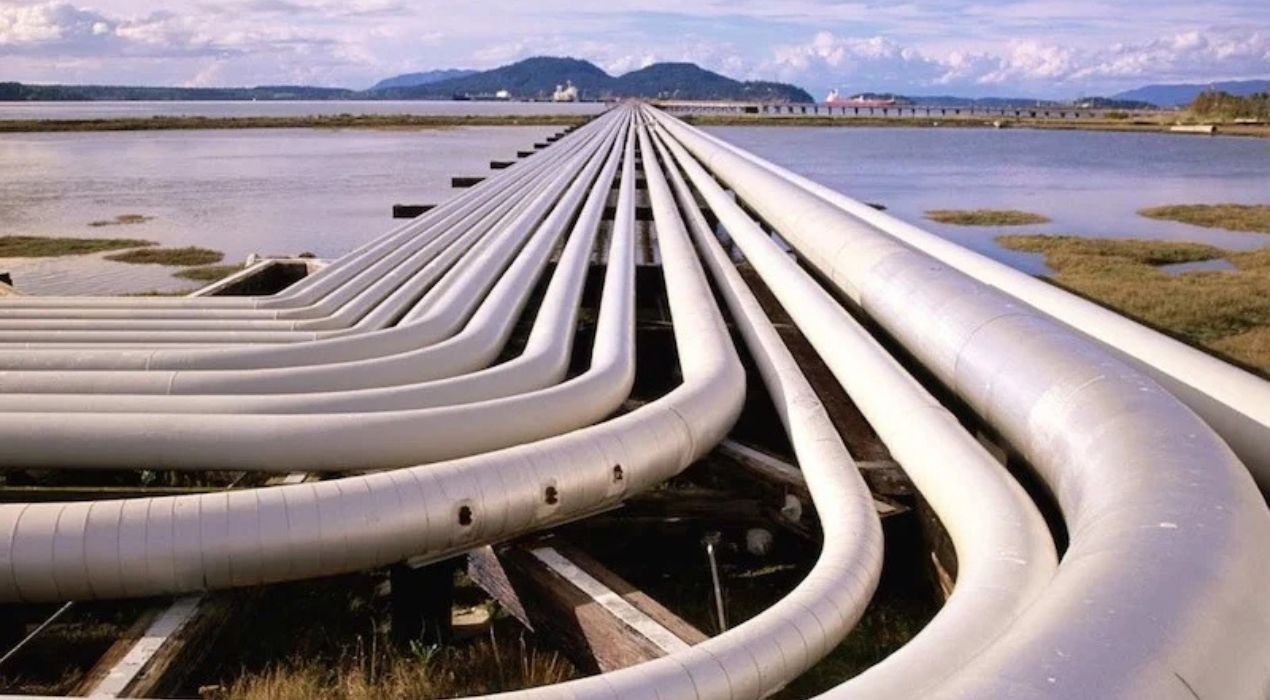
The Nigeria-Morocco Atlantic Gas Pipeline project has reached a new milestone after the Economic Community of West African States (ECOWAS) officially endorsed the initiative on July 19, 2026, during a summit in Freetown, Sierra Leone. Launched in 2016 by Morocco and Nigeria, the ambitious project aims to transport up to 30 billion cubic meters of natural gas annually along the Atlantic coast, connecting 13 African countries from Nigeria to Morocco and eventually linking the continent to Europe.
The agreement signed with ECOWAS provides a legal framework for cooperation between the countries involved and strengthens the governance structure of one of Africa’s most strategic energy projects.
A project designed to connect Africa’s energy markets
According to Amina Benkhadra, Director General of Morocco’s National Office of Hydrocarbons and Mines (ONHYM), the ECOWAS agreement represents the conclusion of years of negotiations between Morocco, Nigeria and the countries crossed by the future pipeline.
The agreement establishes common rules on investment security, taxation, regulatory stability, cross-border cooperation and project governance.
The pipeline will pass through 13 coastal African nations before reaching Morocco, where it will connect with the existing Maghreb-Europe Gas Pipeline, allowing possible access to European markets.
Boosting industrial development across West Africa
Beyond gas transportation, the project is expected to play a major role in Africa’s industrial development.
The planned capacity of 30 billion cubic meters per year will serve both domestic and international markets. Around half of the gas transported could supply Morocco and Europe, while the remaining volumes would meet the energy needs of countries along the route.
The pipeline is expected to support electricity production, industrial growth and energy-intensive sectors such as mining.
“For many countries, this gas pipeline will provide sustainable energy needed to accelerate electrification and industrial development,” Amina Benkhadra explained.
Transit countries are also expected to benefit financially through gas transit fees included in the project’s economic model.
Nigeria remains the cornerstone of the initiative
Nigeria, Africa’s largest gas producer, will serve as the main source of supply for the pipeline.
The country has significant natural gas reserves and has already developed plans to increase production capacity. Discussions are ongoing with energy operators to gradually secure supplies until the pipeline reaches full capacity.
The project could also benefit from future gas production in other African countries, including Mauritania, Senegal and potentially Côte d’Ivoire.
By connecting producers and consumers, the pipeline aims to create a regional gas market capable of supporting Africa’s growing energy needs.
First gas deliveries expected from 2031
The Nigeria-Morocco Gas Pipeline is expected to be developed in phases, depending on gas availability, economic conditions and financing arrangements.
The first gas deliveries remain scheduled for around 2031.
The next steps include the creation of a dedicated project company responsible for implementation, commercial agreements and financial arrangements. A High Authority for the Gas Pipeline is also expected to be established by the end of 2026 or early 2027.
With ECOWAS’ backing, the Nigeria-Morocco Gas Pipeline is moving closer to becoming one of Africa’s largest energy infrastructure projects, strengthening regional integration and opening new opportunities for energy cooperation between Africa and Europe.







Leave a comment