
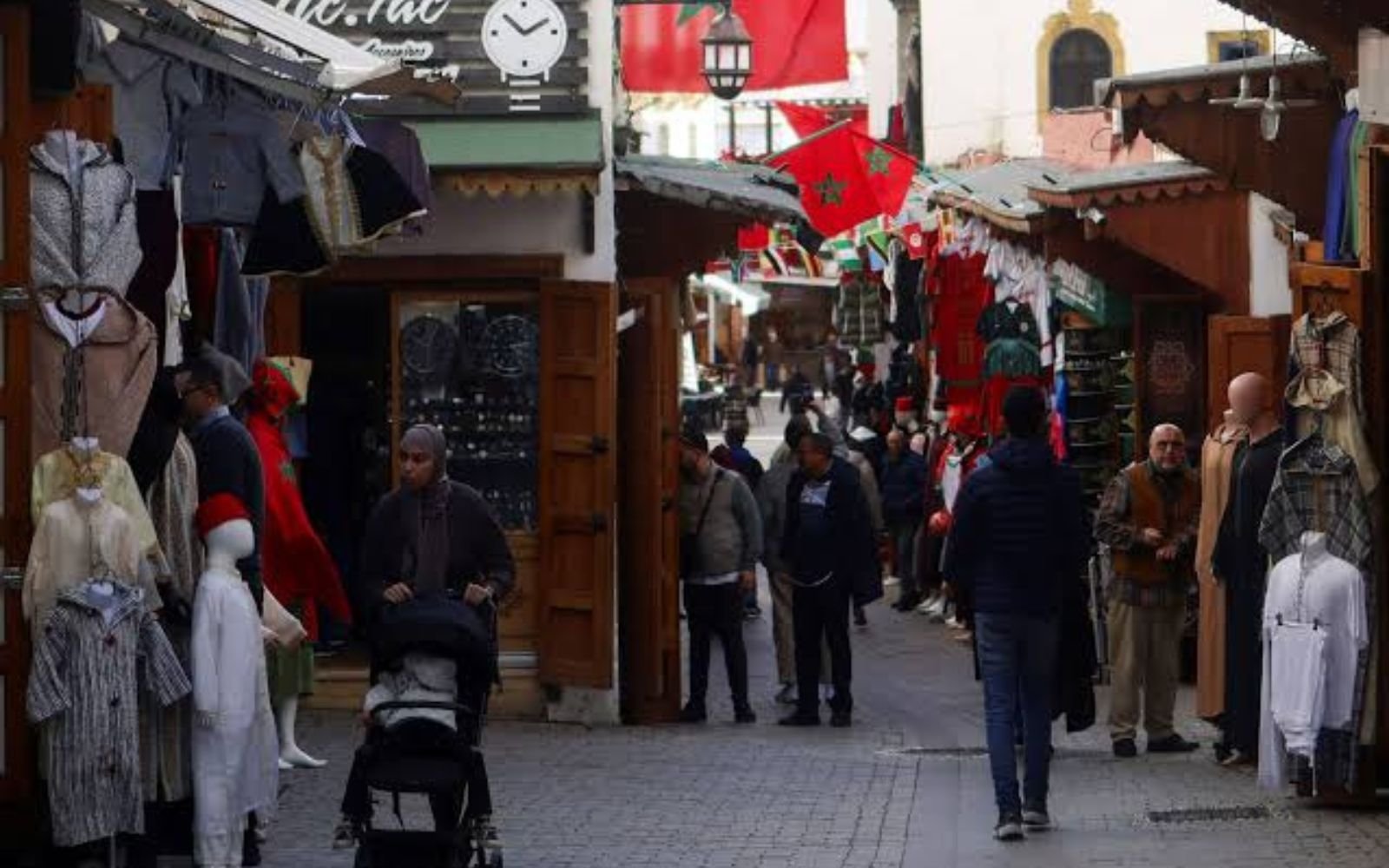
Morocco is on course for economic growth of between 4.4% and 4.8% in 2026, according to forecasts from the country’s main economic institutions and the International Monetary Fund (IMF). The outlook highlights the kingdom’s resilience amid geopolitical tensions, supported by a strong agricultural recovery, subdued inflation and controlled public finances.
Major institutions forecast solid growth
Morocco’s High Commission for Planning (HCP) projects growth of 4.8% in 2026, while the IMF forecasts 4.5% and Bank Al-Maghrib, the country’s central bank, expects 4.4%.
The institutions identify the recovery in agriculture as a major driver of economic expansion. According to Bank Al-Maghrib, cereal production has reached 93 million quintals, or 9.3 million tonnes, while agricultural value added is projected to increase by 16%.
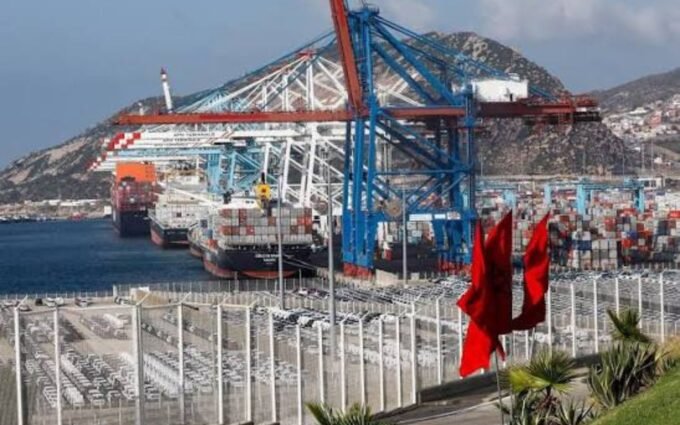
Non-agricultural activities are also expected to contribute to growth, with output forecast to rise by 3.1%. Investment in major infrastructure projects, including those linked to the 2030 FIFA World Cup, is helping support economic activity.
The outlook contrasts with the broader regional picture. The IMF projects a 2% contraction for the Middle East and North Africa region in 2026, highlighting the challenges facing several economies amid international uncertainty.
Low inflation and controlled public finances
Beyond growth, Morocco’s economic outlook is supported by relatively stable macroeconomic conditions.
Bank Al-Maghrib expects inflation to average just 0.7% in 2026. On September 22, the central bank maintained its benchmark interest rate at 2.25%, reflecting its current monetary policy assessment.
The budget deficit is projected at 3.4% of gross domestic product (GDP), keeping public finances within the government’s fiscal consolidation framework.
These indicators support Morocco’s image as a stable destination for investors. In September 2025, Standard & Poor’s restored the kingdom’s investment-grade credit rating, marking an important milestone in its financial standing.
Infrastructure investment supports long-term ambitions
Morocco’s growth strategy combines agricultural recovery with investment in infrastructure and economic diversification.
Preparations for the 2030 FIFA World Cup are helping drive spending on transport, facilities and other major projects. These investments are intended not only to meet the demands of the tournament but also to strengthen the country’s infrastructure and long-term economic potential.
With growth forecasts above 4%, low inflation and continued investment, Morocco is seeking to sustain its economic momentum despite a challenging global environment.



Leave a comment