
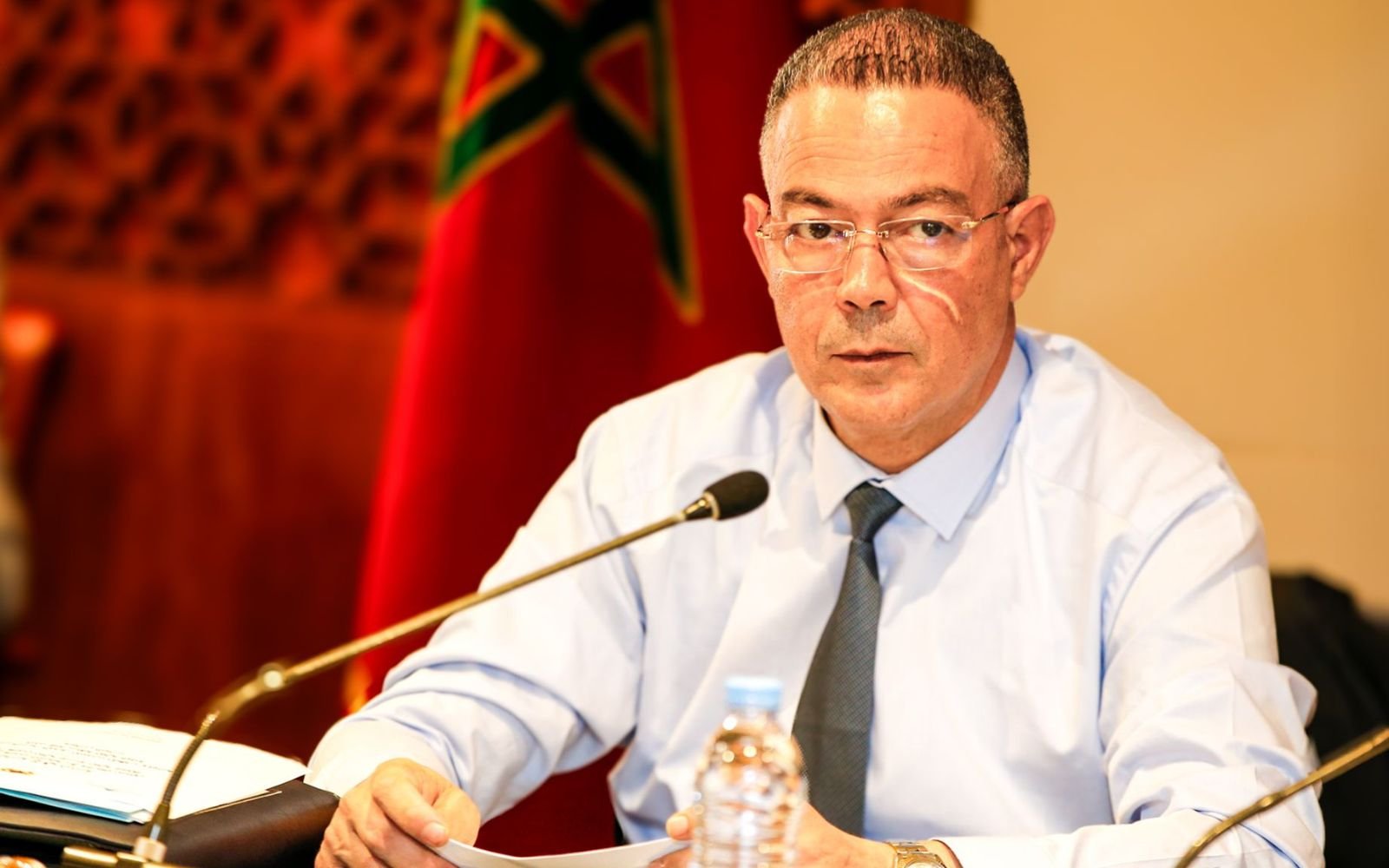
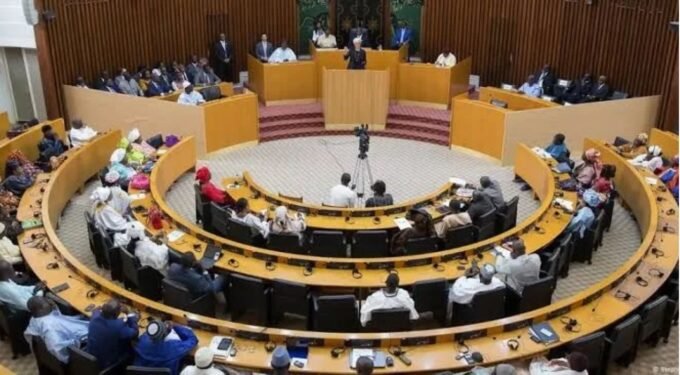
Morocco’s Economy and Finance Minister Fouzi Lekjaa presented the 2027 Finance Bill to a joint sitting of Parliament on Friday, October 23, outlining a budget framework built around economic growth, controlled inflation and fiscal consolidation. The government projects growth of 4.7% in 2026, inflation of around 0.7% and a budget deficit equivalent to 3% of GDP. The next challenge will be turning these projections into measurable results, with clear funding arrangements, implementation timelines and tangible benefits for households and regions across the Kingdom.
From economic priorities to measurable commitments
The 2027 Finance Bill reflects the priorities of the government programme adopted by the House of Representatives the previous day. These include protecting purchasing power, expanding direct social assistance, creating opportunities for young people, improving healthcare and education, and supporting regional development.
Opposition lawmakers have called for more precise indicators and implementation deadlines to assess the programme’s progress. The debate therefore puts the focus on how the government will translate its commitments into measurable outcomes.
Lekjaa’s previous experience as Budget Director gives him direct knowledge of public expenditure planning and oversight. The coming weeks will be crucial in defining clear targets, publishing implementation schedules and tracking results across regions. Such measures would help citizens assess how public spending translates into improvements in their daily lives.
Transparency at the heart of public investment
Lekjaa also brings experience from his leadership of the Royal Moroccan Football Federation, where he oversaw major football development projects. His experience in public finance and sports administration comes as Morocco advances preparations for the 2030 FIFA World Cup.
The scale of the Kingdom’s infrastructure ambitions makes transparent monitoring of public investment particularly important. Publishing detailed information on spending linked to sports facilities and World Cup-related projects would help citizens and partners track progress, costs and delivery timelines.
The credibility of the 2027 Finance Bill will ultimately depend not only on its economic forecasts but also on how effectively public funds are used. Clear reporting, measurable targets and regular assessments could help strengthen public confidence while supporting Morocco’s broader development objectives.









Leave a comment