
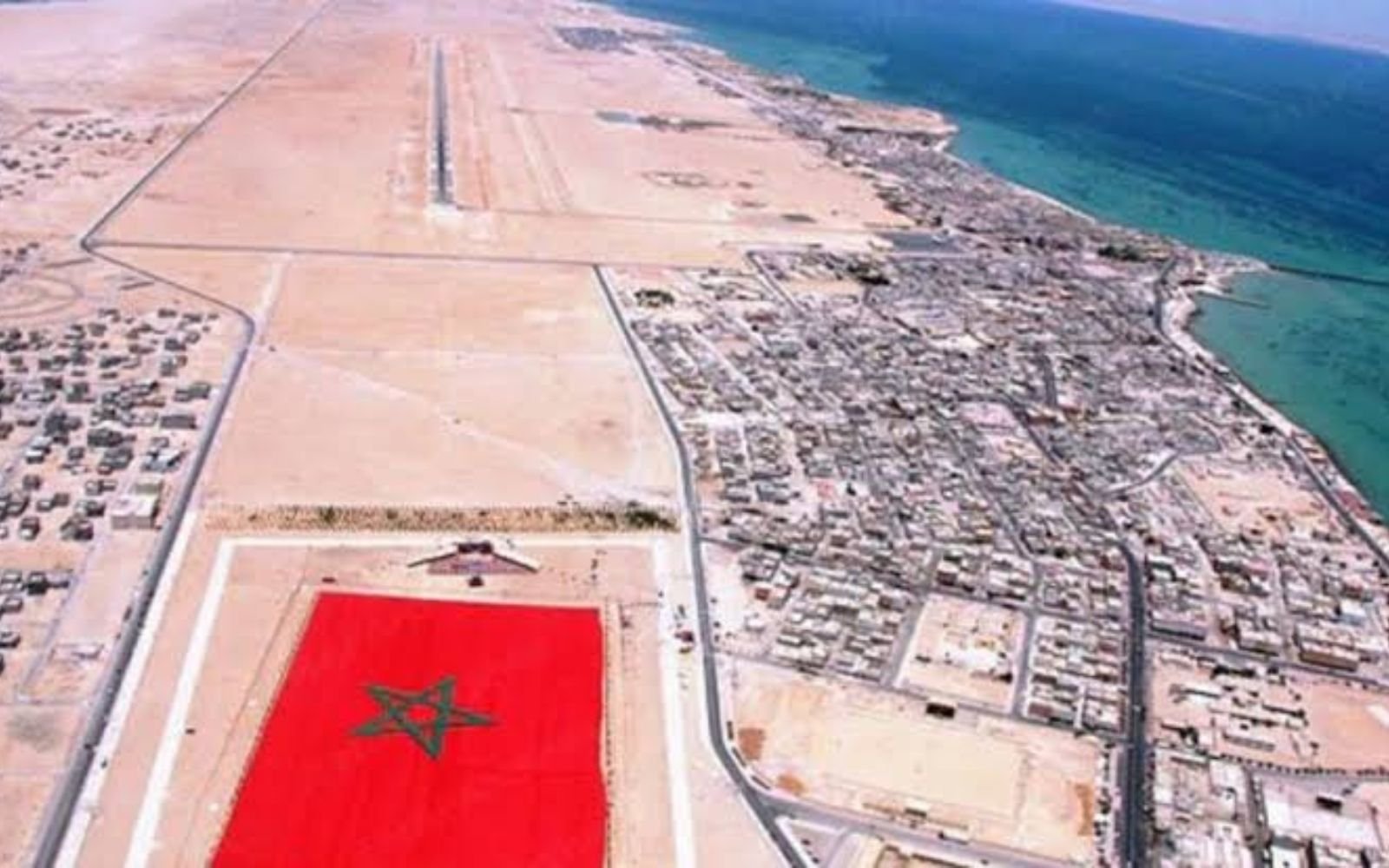
Morocco has secured renewed diplomatic backing for its Western Sahara autonomy plan ahead of the October 31 deadline for the United Nations Mission for the Referendum in Western Sahara (MINURSO). Speaking before the UN General Assembly’s Fourth Committee, The Gambia reaffirmed its “unwavering” support for Morocco’s sovereignty claim and described the autonomy initiative as a credible, realistic and pragmatic starting point.
The latest declaration comes as Rabat seeks to build international support for its proposal, a year after UN Security Council Resolution 2797 placed the Moroccan autonomy plan at the centre of efforts to negotiate a political settlement.
October 31 will also mark the first celebration of Aid Al Wahda, or Unity Day, a national holiday proclaimed by King Mohammed VI in 2025.
Morocco gathers further support at the United Nations
During discussions at the Fourth Committee in New York, The Gambia reiterated its support for Morocco’s territorial integrity and its autonomy proposal for Western Sahara.
Several other countries have expressed similar positions, including Jordan, Liberia, Burundi, Dominica, Saint Vincent and the Grenadines, and Equatorial Guinea. Liberia described the Moroccan initiative as the “most realistic and feasible basis” for a settlement.
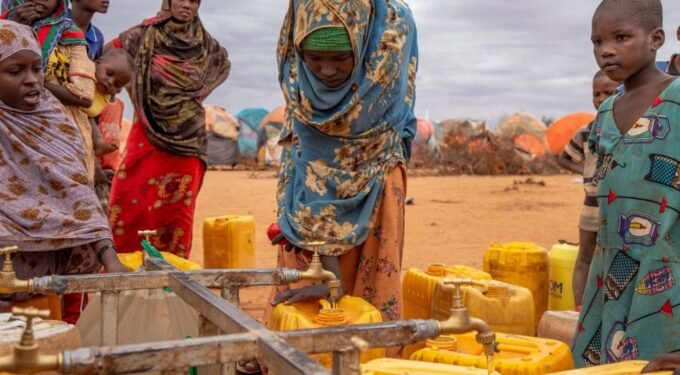
Morocco has also called for a shift in the humanitarian response to Sahrawi refugees in the Tindouf camps in Algeria.
Speaking before the Executive Committee of the UN High Commissioner for Refugees (UNHCR) in Geneva on October 13, Morocco’s ambassador, Omar Zniber, argued that international assistance should prioritise lasting solutions rather than perpetuating refugee status.
“Assistance must not finance the permanence of refugee status, but the solutions it provides,” he said, adding that a majority of major donor countries had expressed readiness to support this approach.
UN Security Council resolution puts autonomy at the centre of negotiations
Adopted on October 31, 2025, Security Council Resolution 2797 extended MINURSO’s mandate until October 31, 2026, and expressed support for negotiations based on Morocco’s autonomy proposal.
The resolution stated that genuine autonomy could represent a highly feasible outcome, while calling on the parties to engage in discussions without preconditions to reach a mutually acceptable political settlement that provides for the self-determination of the people of Western Sahara.
Algeria did not participate in the vote.
In the months that followed, the United States renewed diplomatic efforts, with three rounds of talks reportedly held in Washington and Madrid between January and February 2026. Morocco, Algeria, Mauritania and the Polisario Front took part in the discussions, which focused on the Moroccan proposal.
The future of MINURSO and the next steps in the UN-led political process remain central issues as the October 31 deadline approaches.
Morocco strengthens ties with Sahel countries
Rabat’s diplomatic push comes amid contrasting developments in its relations with neighbouring countries.
In April 2025, tensions escalated between Algeria and the Alliance of Sahel States (AES), comprising Mali, Niger and Burkina Faso, after the destruction of a Malian drone near the Algerian border. The AES denounced what it called an irresponsible act and recalled its ambassadors from Algiers.
Morocco, meanwhile, has sought to deepen cooperation with the three Sahel countries. King Mohammed VI received their foreign ministers in Rabat, where they reaffirmed their support for the Royal Initiative aimed at providing landlocked Sahel countries with access to the Atlantic Ocean.
The initiative is part of Morocco’s broader effort to strengthen its economic and diplomatic links with West Africa and the Sahel.
October 31 takes on added significance for Morocco
The approaching UN deadline coincides with Morocco’s first celebration of Aid Al Wahda, or Unity Day, established by King Mohammed VI in November 2025 following the adoption of Resolution 2797.
The annual national holiday is intended to highlight Morocco’s national unity and territorial integrity, according to the Royal Cabinet.
For Rabat, the anniversary provides an opportunity to highlight recent diplomatic support for its Western Sahara position. However, the dispute remains unresolved, and the next phase of UN-led negotiations will be crucial in determining whether the parties can reach a lasting political settlement.



Leave a comment