
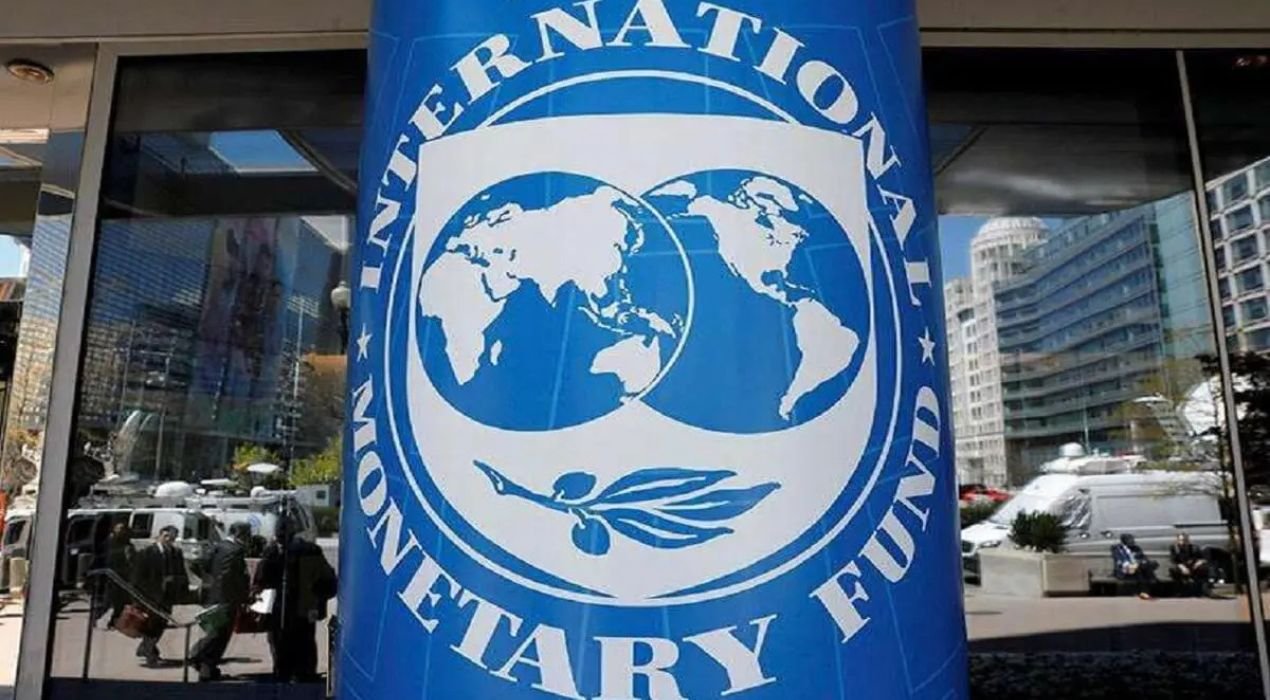
The International Monetary Fund (IMF) forecasts economic growth of 4.5% in Morocco in 2026, followed by 4.2% in 2027. According to the World Economic Outlook published on 13 October 2026, the Kingdom’s economy is expected to maintain steady growth, following an increase of 4.9% in 2025.
Despite international geopolitical tensions and pressure on energy prices, Morocco’s economic outlook remains favourable. The financial institution’s projections point in particular to contained inflation and an expected improvement in the labour market.
Inflation remains under control
According to the IMF’s projections, inflation is expected to reach 0.9% in 2026, up from 0.8% in 2025, before rising to 1.4% in 2027.
The labour market is also expected to perform better. The unemployment rate, estimated at 12.2% in 2026, could fall to 11.3% the following year.
This economic momentum is driven in particular by a strong agricultural season, substantial public investment and the tourism sector’s performance.
Morocco also benefits from the IMF’s Flexible Credit Line, approved on 2 April 2025. This financial instrument is reserved for countries with strong economic fundamentals and robust institutional frameworks.
Employment and private investment remain key priorities
Beyond macroeconomic indicators, the challenge now is to turn this growth into sustainable job creation. The IMF is therefore encouraging Morocco to strengthen private-sector dynamism, ensure fair competition between public- and private-sector companies, and continue labour market reforms.
The Kingdom’s economic stability is also an attractive factor for foreign investors. This outlook takes on particular importance as Morocco approaches major investment projects linked to its hosting of the 2030 FIFA World Cup.











Leave a comment