

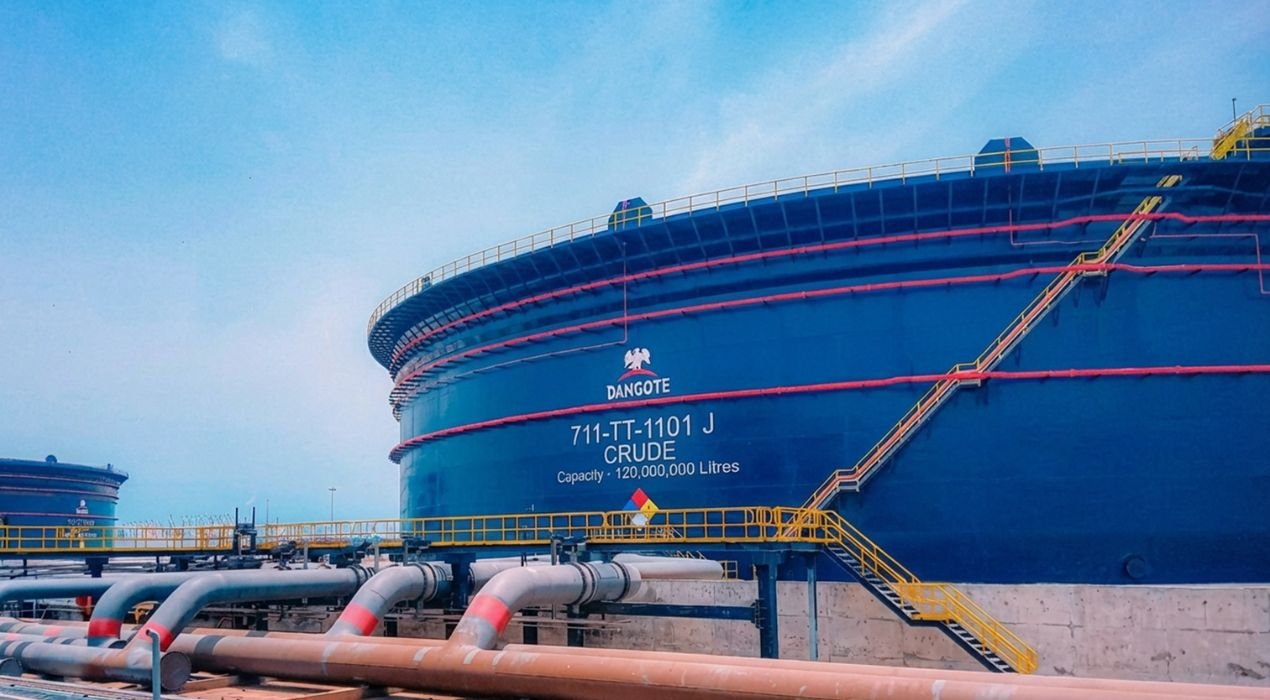
Nigeria’s Dangote Refinery has emerged as Europe’s leading supplier of jet fuel following disruptions caused by the conflict in the Middle East, marking a major shift in global energy trade. According to industry data, the refinery exported 466,000 tonnes of jet fuel to Europe in June 2026, surpassing shipments from the United States for the first time. The surge came after the closure of the Strait of Hormuz disrupted fuel supplies from the Gulf and reduced American kerosene exports, prompting European airlines to seek alternative sources.
Dangote seizes market opportunity
Owned by Nigerian billionaire Aliko Dangote, the Lekki-based refinery rapidly increased production to meet soaring European demand for aviation fuel. The development represents a dramatic reversal in trade patterns. Until recently, African countries largely depended on European refineries for jet fuel imports. Today, Nigerian-produced fuel is increasingly powering aircraft across Europe.
Industry analyst Mohamed Julien Ndao, Managing Director of trading firm Okapi, described Dangote’s strategy as highly forward-looking. « Aliko Dangote was completely visionary. He responded to a market challenge while positioning himself as a key player in the jet fuel market, » Ndao said.
Exports soar nearly ninefold
Over the past two years, Dangote’s jet fuel exports have jumped from 18,000 barrels per day to around 158,000 barrels per day, reflecting the refinery’s growing importance in the global aviation fuel market. The refinery has also benefited from higher profit margins created by supply disruptions linked to the Strait of Hormuz crisis.
Ndao believes the emergence of Nigeria as a reliable supplier has opened a new commercial corridor between West Africa and Europe. « There is a new trade route that has emerged. Market players know they can rely on Nigeria, » he said.
Competition could intensify
Despite Dangote’s recent success, analysts believe the current market dynamics could change if exports from the Middle East return to normal. Should the Strait of Hormuz fully reopen, Gulf producers are expected to compete aggressively to recover lost market share, likely putting downward pressure on prices.
To maintain its growing presence in Europe, Dangote Refinery may eventually have to match the pricing strategies of Middle Eastern competitors. Nevertheless, the refinery’s rapid rise underscores Nigeria’s increasing role in global refined petroleum markets and highlights the country’s potential to become a long-term energy supplier beyond Africa.










Leave a comment