

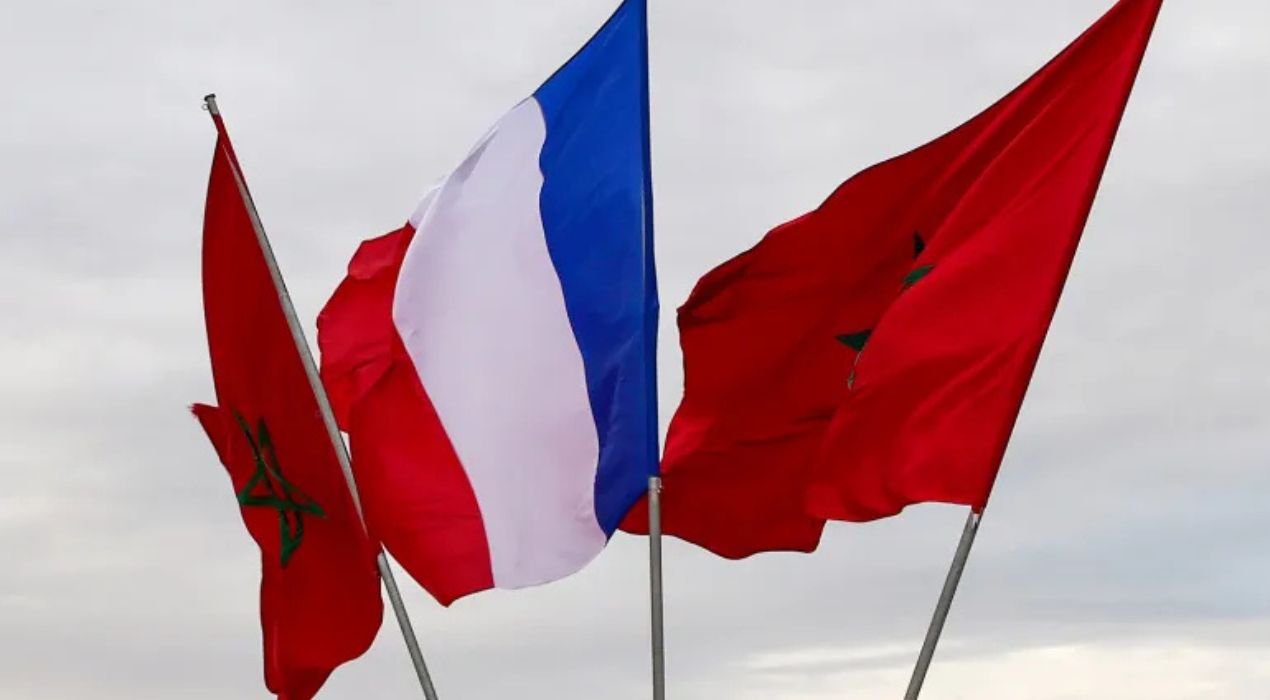
French Prime Minister Sébastien Lecornu arrived in Morocco on Wednesday, July 15, leading a high-level delegation of around a dozen ministers for a visit expected to strengthen bilateral cooperation through the signing of several agreements. The trip comes at a delicate moment in relations between Paris and Rabat, marked by renewed tensions over human rights issues following legal proceedings against Moroccan journalist Ali Lmrabet and rapper Mehdi Black Wind.
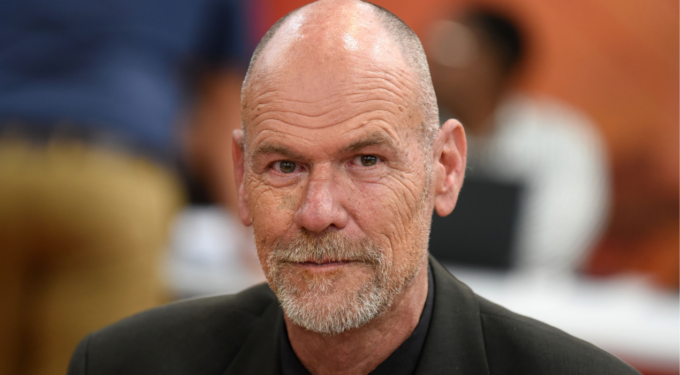
For Mehdi Alioua, a sociologist at the International University of Rabat and holder of the Chair of Migrations, Mobilities and Cosmopolitanism, the relationship between France and Morocco in Africa has become increasingly complex, combining cooperation, competition and diplomatic adjustments.
Morocco’s growing role in Africa
Asked about Morocco’s expanding influence in sub-Saharan Africa at a time when France’s position is declining in several countries, Alioua said the two countries’ interests are not always opposed.
“Many Moroccan investments are carried out through joint ventures with French companies or with the support of French diplomacy,” he explained, highlighting the continued strength of economic cooperation between Paris and Rabat.
However, he acknowledged that Morocco has also developed its own independent strategy, with fully Moroccan investments and a clear ambition to build an African policy focused on strengthening South-South relations.
According to him, King Mohammed VI has placed Africa at the center of Morocco’s foreign policy, allowing the kingdom to expand its economic and diplomatic presence across the continent.
A possible mediator in the Sahel?
With France’s relations deteriorating with several countries of the Alliance of Sahel States (AES), including Mali, Burkina Faso and Niger, Morocco has gradually increased its influence in the region.
Alioua believes Rabat could contribute to easing tensions, although he stresses that the crisis between France and Sahel countries is mainly political.
“Rabat is trying wholeheartedly to play a role,” he said, while arguing that anti-French sentiment has often been encouraged by political actors seeking popular support.
The sociologist also pointed to centuries-old links between Morocco and the Sahel, describing relations between the two regions as historical and cultural ties that predate modern diplomacy.
“Morocco and the Sahel have relations that go back thousands of years,” he said, recalling historical connections between Moroccan dynasties and West African territories.
Human rights remain a sensitive issue
The visit also coincides with criticism over the arrest of several outspoken figures in Morocco.
Alioua acknowledged that the imprisonment of journalists and artists should always raise concerns but noted that Moroccan authorities argue that judicial procedures are being followed.
He recalled that journalist Ali Lmrabet had been released while remaining under investigation, adding that lawyers and human rights organizations in Morocco had mobilized around the cases.
“Morocco has made considerable progress over the years regarding human rights and legal procedures, but unfortunately there are sometimes old reflexes,” he said.
Morocco’s growing appeal in Africa
While Morocco’s influence is increasing, Alioua believes the kingdom does not yet have the same attraction as France among African populations.
“Morocco attracts more and more, but not in the same way Paris has historically attracted,” he explained.
He pointed to Morocco’s investments linked to major sporting events, including preparations for the Africa Cup of Nations, as part of efforts to strengthen its continental image.
However, he warned that Morocco’s growing influence remains fragile, with domestic debates over public spending and occasional tensions with other African countries affecting its image.
“Morocco attracts and at the same time creates concerns,” he said.
According to Alioua, Morocco’s ability to rival France’s appeal in Africa will largely depend on its economic development.
“The day Morocco becomes much richer and more economically developed, it will naturally attract as much, if not more, than France,” he concluded.








Leave a comment