

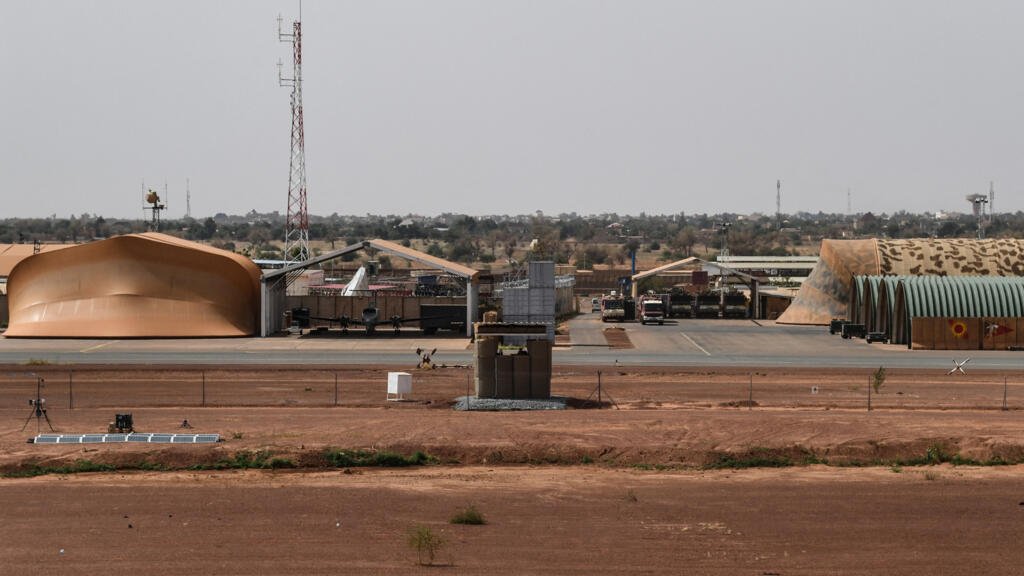
In Niamey, a large-scale eviction operation is set to take place around the city’s international airport. Scheduled to begin before the end of the month, the operation is expected to affect several thousand people currently living in the area.
The Nigerien authorities say the measure is necessary because of growing security concerns. Residents, however, are calling for more time to leave the area and for compensation that reflects the value of their investments.
Four residential developments located near the airport are expected to be cleared, affecting an estimated 26,000 people. According to the authorities, the occupation of the land is illegal.
One resident affected by the operation expressed deep concern, insisting that he had legally purchased his plot of land. “We bought our land and built our homes. These are major investments,” he said.
A few days ago, the governor of Niamey, Assoumane Abdou Harouna, visited the area. According to the general, the operation is an urgent measure aimed at ensuring aviation safety, protecting the population, and securing the country’s strategic infrastructure. He also stated that residents would receive compensation.
The operation is expected to begin before the end of the month, leaving residents with very little time to prepare. “We are asking for a proper assessment for compensation and more time,” the same resident added, noting that the school year is still ongoing and that Eid al-Adha is approaching.
The clearing of the airport area comes amid a worsening security situation marked by an increase in asymmetric attacks, according to the governor of the capital. One such attack targeted Air Base 101 less than four months ago in the same area. The attack was claimed by the Islamic State.
Because of the security context, the Nigerien authorities have also introduced new traffic regulations in Niamey for certain types of vehicles, including semi-trailers, dump trucks, heavy-duty trucks over 20 tons, and vehicles transporting flammable products.
These vehicles are now banned from entering a designated “red zone,” with the exception of public transport vehicles. They are also prohibited from driving near key state institutions.











Leave a comment