

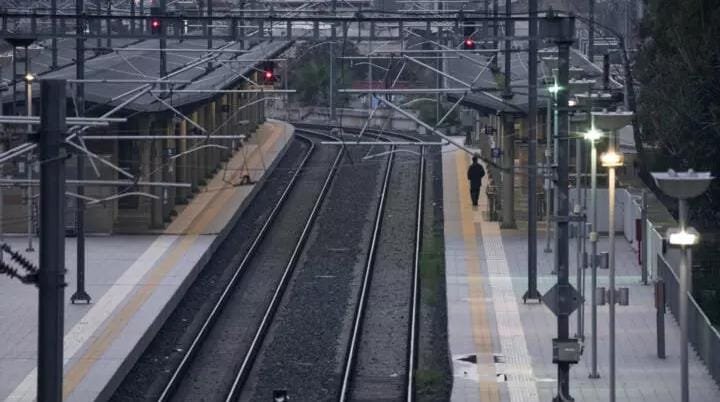
This Monday, March 23, 2026, marks a turning point for Greece. Three years after the Tempe rail collision that claimed 57 lives, the trial is finally opening. Behind the. Behind the legal proceedings, an entire nation is seeking to heal a wound that remains wide open.
The court is preparing to examine the responsibilities behind a tragedy that still feels surreal. In the dock are 36 defendants : station masters, but also high-ranking officials from the railway company and the Ministry of Transport. They face serious charges, including manslaughter.
For the families of the victims—mostly students returning from a weekend away that night in February 2023—the stakes are clear: to understand how such a systemic failure could lead to a head-on collision between a passenger train and a freight convoy. While the trial begins within the courtroom, the echoes of the catastrophe are felt most strongly on station platforms. At Larissa Station in Athens, former carefreeness has been replaced by anxious vigilance.
« This is the first time I’ve traveled since the accident; I hope everything goes well, » admits one passenger under the condition of anonymity. This sentiment is shared by Georgia Tsiougou, a regular on the lines toward the Peloponnese, who describes fear as a « usual companion ». « We travel with a certain degree of risk, without absolute certainty. » Although authorities claim that security has improved, trust has been broken.
The trauma has even birthed new, almost instinctive survival habits among commuters. Petros, a student, observes a striking phenomenon in the train cars: Deserted lead cars: Passengers systematically avoid the front of the train, where the impact is most violent ; Crowding at the rear: The last carriages are often packed, as travelers hope to find relative protection there in the event of a collision.
Three years later, Tempe is not just a geographical name; for many Greeks, it is a symbol of state failure. Beyond individual convictions, this trial is awaited as a necessary act of truth to restore both the physical and psychological safety of transport in the country.
Secondine GOZINGAN







Leave a comment