

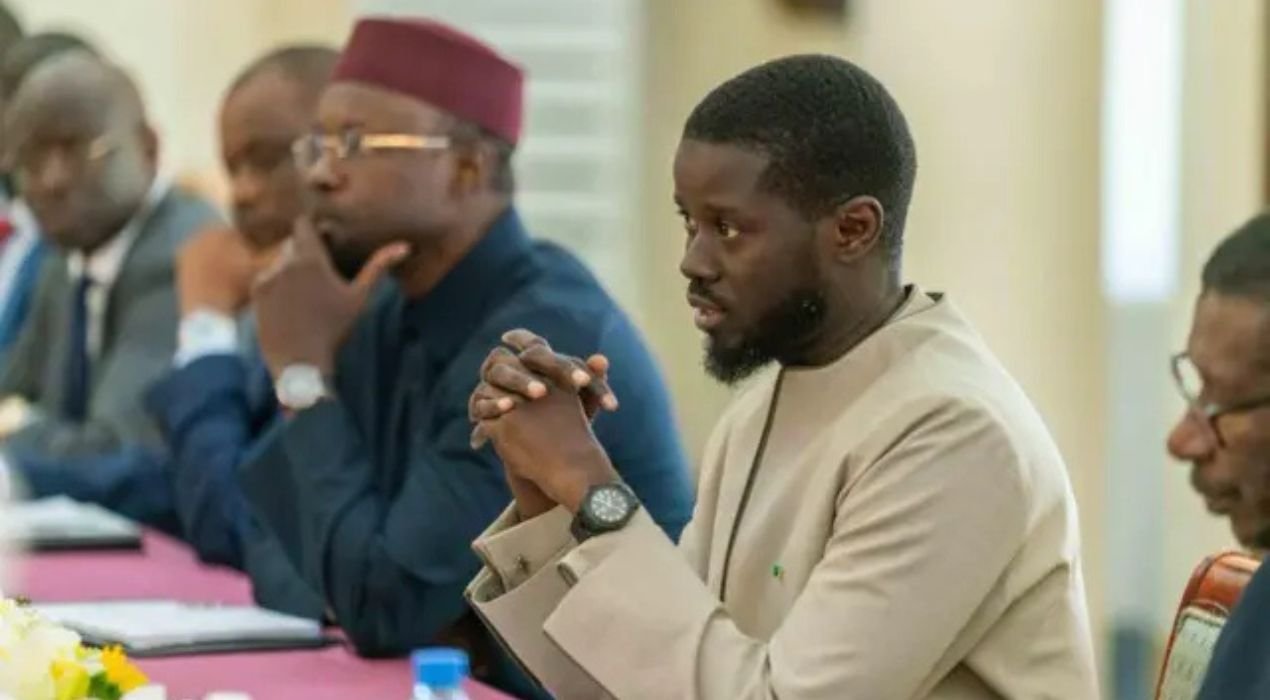
Senegal’s Constitutional Council has overturned the constitutional reform bill adopted by the National Assembly on June 29, ruling on Thursday, July 9, that the text violated the country’s constitutional procedures. The decision followed an appeal filed by President Bassirou Diomaye Faye, who had referred the matter to the country’s highest legal authority, citing a “violation of the constitutional revision procedure.” The Constitutional Council ruled that several provisions of the reform process breached key articles of the Constitution, including Articles 82 and 103.
Multiple procedural violations cited
Among the issues raised by the court was a provision increasing the human, material and financial resources of the future Constitutional Court without identifying compensatory sources of funding, which the judges considered incompatible with Article 82.
The Council also criticized the refusal by National Assembly President Ousmane Sonko to grant the executive the so-called “blocked vote” procedure, a mechanism allowing a bill to be adopted without amendments. As a result, the constitutional revision approved by lawmakers was declared “contrary to the Constitution of Senegal.”
A major setback for Sonko’s camp
The rejected reform aimed to amend 29 articles of the Constitution and would have significantly reshaped the balance of power between state institutions. Among its main proposals were:
- banning the president from leading a political party;
- strengthening the powers of Parliament and the Prime Minister;
- replacing the Constitutional Council with a nine-member Constitutional Court;
- limiting the president’s ability to dissolve Parliament to once per term.
The initiative, supported by Ousmane Sonko’s Pastef party, now represents a political setback for its supporters.
Diomaye Faye regains initiative
For President Bassirou Diomaye Faye, however, the ruling represents a political opportunity. The head of state can now introduce his own version of constitutional reform and submit it to a referendum under Article 51 of the Constitution.
He is also not legally bound by a deadline to organize such a referendum, meaning the reform could either move forward later or remain suspended. In a statement, the Diomaye Président coalition encouraged the president to “continue calmly the completion of consultations on ongoing reforms” in order to strengthen Senegal’s democracy.
The ruling marks a new stage in Senegal’s institutional debate, where the balance of powers between the presidency, government and Parliament remains at the center of political discussions.









Leave a comment