
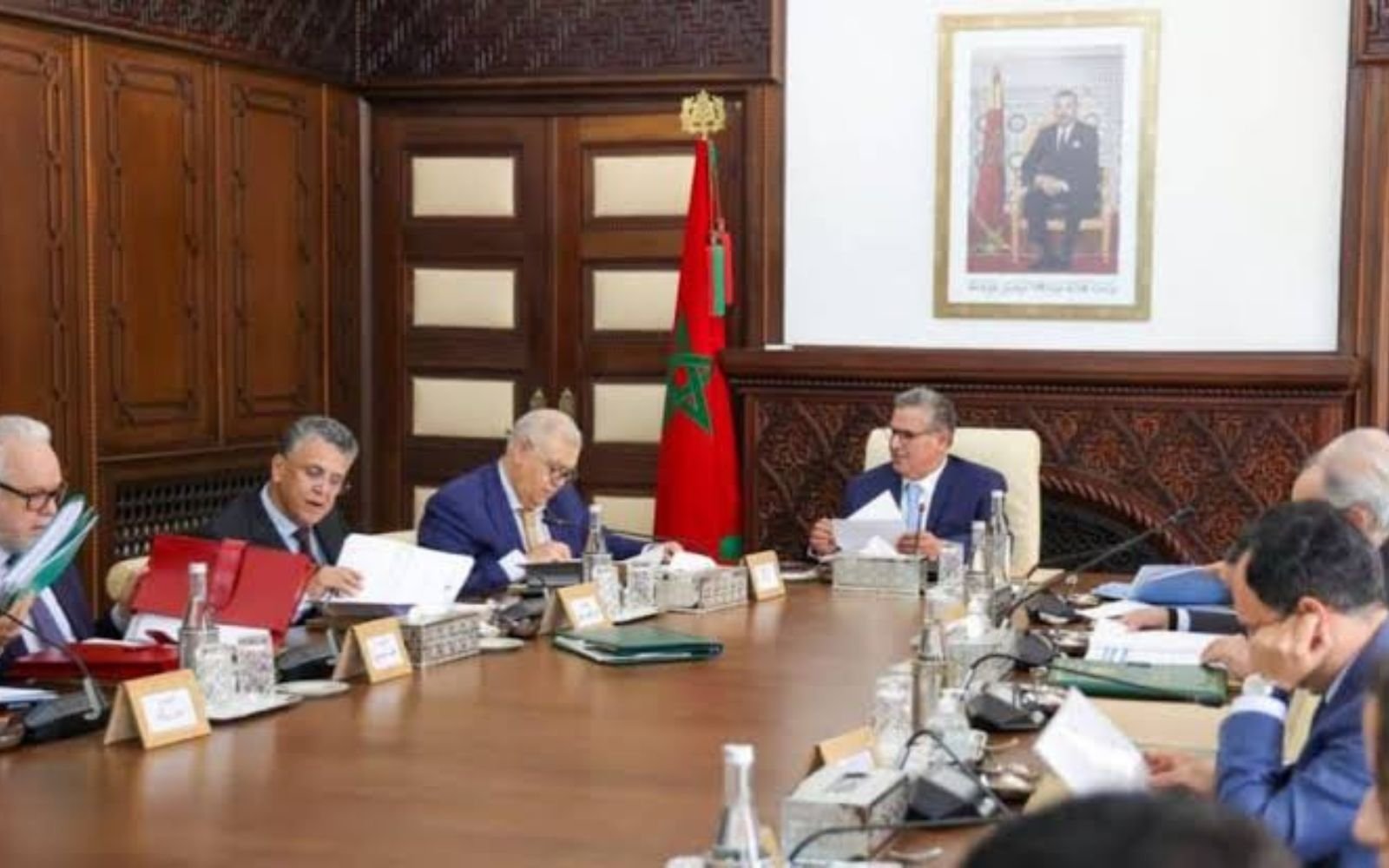
Morocco’s government has secured a clear parliamentary majority for its 2026–2031 programme. On Thursday, October 22, the House of Representatives approved the programme by 204 votes to 127, following a wide-ranging debate on the country’s priorities. The cost of living, employment, healthcare, education and the fight against corruption featured prominently in discussions. The next challenge will be to turn the government’s commitments into measurable improvements for Moroccan citizens.
A debate focused on citizens’ priorities
Debates between the governing majority, made up of the PAM, Istiqlal, USFP and PPS, and opposition parties centred on everyday concerns, including rising prices, youth unemployment, the quality of healthcare and education, and the need to tackle corruption and conflicts of interest.
The majority highlighted the programme’s social ambitions, while the opposition called for greater clarity on the proposed reforms and their implementation timetable.
The discussions underscored the expectations facing the government as it begins its new programme. Delivering visible improvements in household living standards and public services will be essential to maintaining public confidence.
Measurable targets and economic ambitions
The programme sets out several quantified objectives. Direct social assistance is expected to rise from 500 to 1,000 dirhams by the end of the government’s term. Eligible households are also set to benefit from an automatic compensation mechanism equivalent to their monthly electricity bill.
On the economic front, the government is targeting average annual growth of 5%, inflation of around 2% and a budget deficit capped at 3% of gross domestic product (GDP).
The programme also aims to reserve 30% of the value of public contracts for Moroccan small and medium-sized enterprises (SMEs), supporting local businesses and strengthening their role in the national economy.
A dedicated mechanism, coordinated with the Competition Council, is expected to address monopolies and speculative intermediaries.
The 2027 budget will provide an early test
The programme’s success will depend on implementation and transparent monitoring. Regularly published indicators on employment, prices, healthcare and education could help measure progress and assess the impact of reforms across Morocco’s regions.
The 2027 Finance Bill will provide an early opportunity to assess how the government intends to translate its commitments into concrete measures, budget allocations and results for households and businesses.
With parliamentary approval secured, the focus now shifts to delivery, as Moroccans look for tangible progress on purchasing power, job creation and the quality of public services.









Leave a comment