

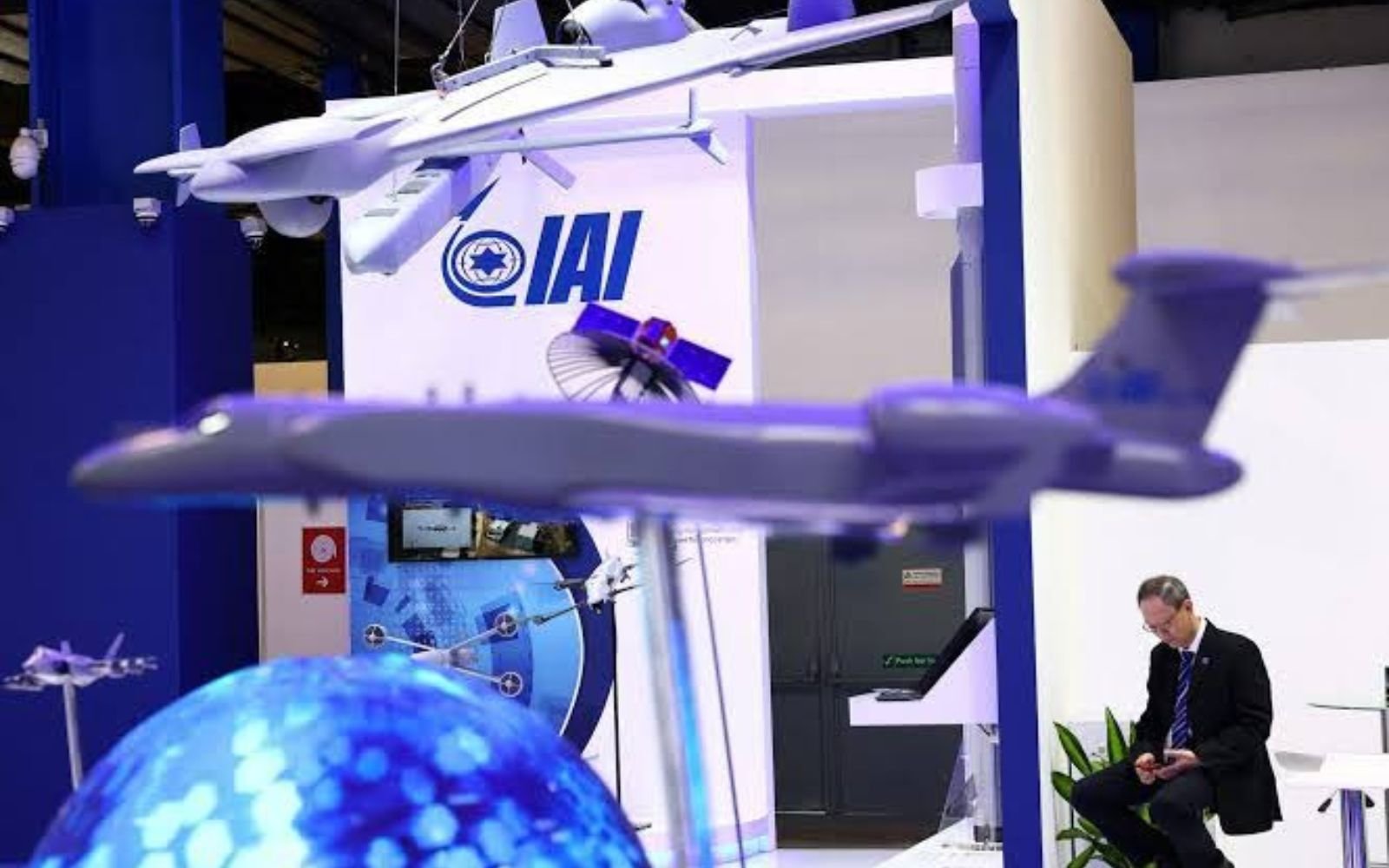
Morocco is moving beyond hosting the global aerospace industry to strengthening its role in manufacturing and innovation. Held from October 7 to 10, the Marrakech Airshow brought together more than 200 exhibitors and over 60 delegations, including 27 from Africa, and concluded with the announcement of 26 strategic agreements. A new Safran factory, advanced research projects and sustainable aviation fuel initiatives highlighted the Kingdom’s next phase of industrial development. The challenge now is to turn these agreements into production capacity, stronger local supply chains and skilled jobs.
Safran expands its industrial footprint in Morocco
One of the main announcements came from French aerospace group Safran, which is establishing Safran Oil Systems Maroc in Nouaceur, near Casablanca, with an investment of approximately €14.3 million.
The new facility will manufacture lubrication equipment for aircraft engines and support the planned production ramp-up of the LEAP engine from 2027. The engine powers some of the world’s most widely used short- and medium-haul aircraft. The project will bring Safran’s total number of sites in Morocco to 13.
Safran Nacelles is also joining the African Center of Manufacturing Excellence (ACME), alongside Airbus, Boeing and Lockheed Martin. The initiative will support research and development in areas including composite materials, additive manufacturing, robotics and artificial intelligence.
A sustainable aviation fuel plant project was also presented, positioning Morocco to explore new opportunities in the aviation sector’s transition towards lower emissions.
Turning strategic agreements into industrial results
Morocco’s aerospace sector already has a solid foundation, employing nearly 25,000 people and recording annual growth of more than 10%. The agreements announced in Marrakech could help strengthen this industrial base and expand the country’s role in global aerospace supply chains.
However, the full impact will depend on implementation. For many of the 26 agreements, financial details and delivery timelines remain to be clarified, while new production capacity will take time to become operational.
Three indicators will be particularly important in assessing progress: investment actually delivered, the number of Moroccan suppliers integrated into aerospace value chains, and the skilled jobs created.
Regular updates on these results would help demonstrate how the Marrakech Airshow is translating international partnerships into lasting industrial benefits for Moroccan companies and workers.
With its established aerospace ecosystem and new investment projects, Morocco is seeking to move further up the value chain, combining manufacturing, technological innovation and the development of local expertise.










Leave a comment