


Corruption costs Kenya billions of dollars every year in lost revenue, additional expenses for businesses and lost earnings for workers, while seriously undermining investment and economic growth, according to a World Bank report published on Wednesday.
Kenya is affected by corruption at every level of society, from the routine small bribes paid to police officers to major public procurement scandals reaching the highest levels of government. The phenomenon has contributed to triggering mass protests over the past two years.
According to the report, the country ranks among the most corrupt in its income category: lower-middle-income countries.
Cost estimated at 2% of GDP
Weak governance is estimated to add around 370 billion shillings, or 2.8 billion dollars, to Kenya’s annual budget deficit, equivalent to 2% of GDP. The report’s authors describe this figure as « conservative ». It includes losses from tax revenue, inefficient public spending and higher borrowing costs.
Reforms comparable to those in Ghana and Senegal
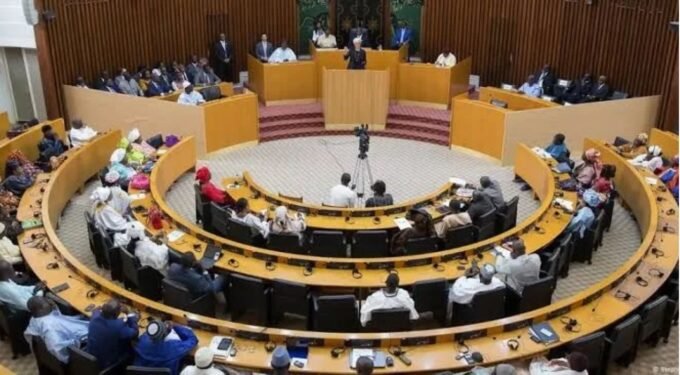
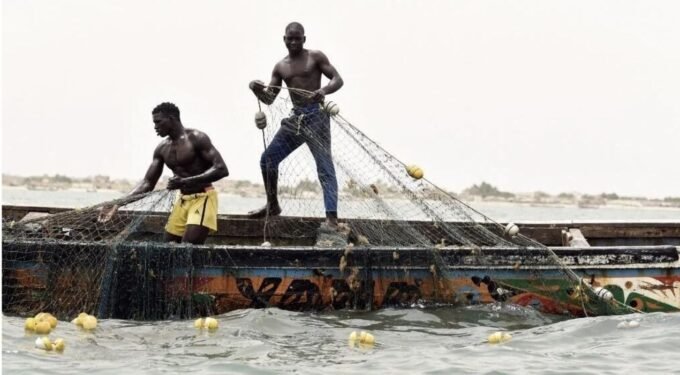
The report also states that Kenya’s economy could be significantly larger by 2035 if the country implemented anti-corruption reforms similar to those introduced in Ghana or Senegal.
« Kenya has many strengths that could make it a real leader in the region. It should fulfil this promise, both for its own citizens and for the neighbouring region. And this is entirely achievable, » Verena Fritz, the World Bank’s senior governance specialist in Kenya, told the press.
Public anger already visible on the streets
Public anger over corruption was a major issue during the protests that rocked the country in 2024, amid the government’s attempt to raise taxes. The World Bank eventually approved its latest lending programme for Kenya in June, following months of delays caused by the government’s slow implementation of anti-corruption measures.












Leave a comment