

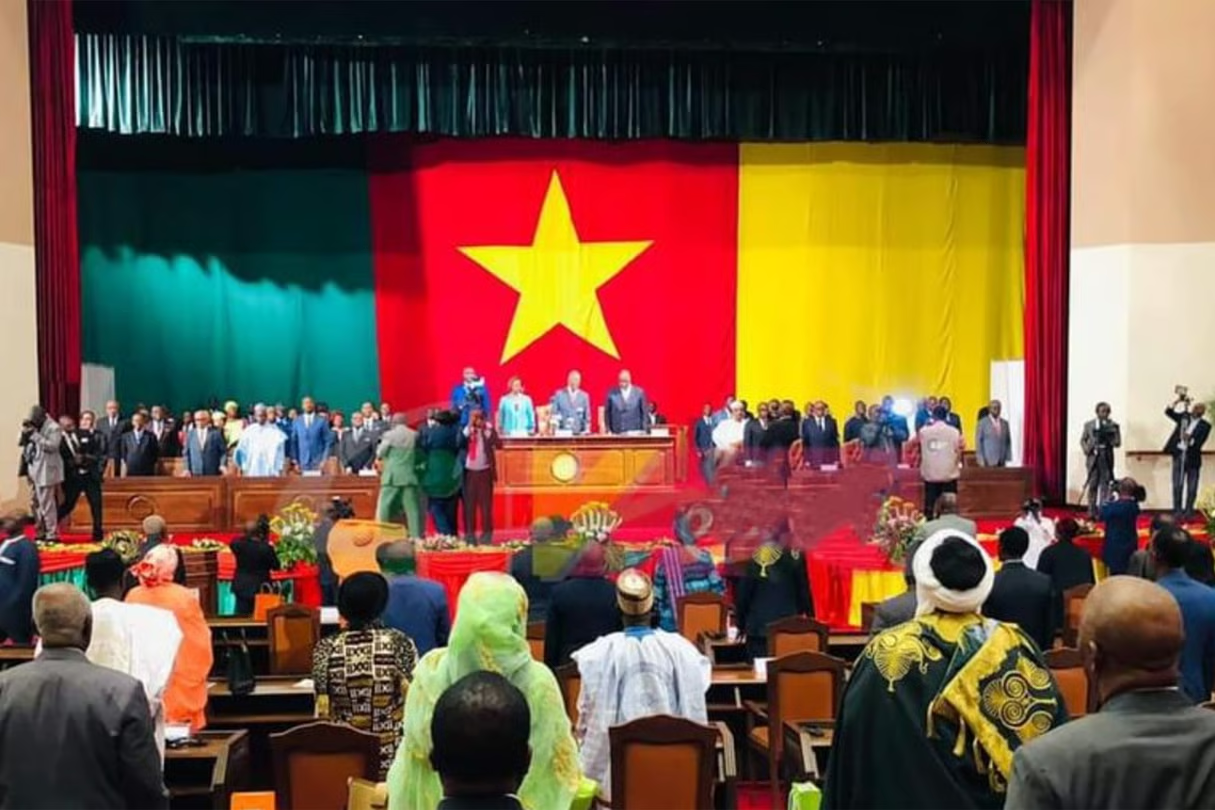
In Cameroon, a parliamentary session convened in congress opened on April 2, 2026, in Yaoundé. Members of the National Assembly and the Senate are reviewing a draft law proposing amendments to certain provisions of the Constitution. Initiated by the presidency, the proposed changes include the creation of a Vice President position.
According to the draft bill obtained by RFI, Article 5, paragraph 3 stipulates that the President of the Republic of Cameroon may be assisted by a Vice President—marking a significant development.
Another major change compared to the current Constitution concerns presidential succession. In the event of resignation, death, or any duly recognized incapacity of the sitting president, the Vice President would complete the presidential term. This responsibility currently lies with the President of the Senate.
A Reshaping of the Institutional Framework
Under the proposed text presented to lawmakers, the Vice President would be appointed by the President of the Republic, just like the Prime Minister, whose position would remain in place.
If adopted, these changes would reshape the country’s institutional structure. Executive power, previously held by the President and supported by the Prime Minister, would be distributed across three branches with the addition of a Vice President.
The draft law also introduces a new approach to presidential succession in the event of a vacancy, increasing the importance of the profile of whoever may be appointed to this role.














Leave a comment