

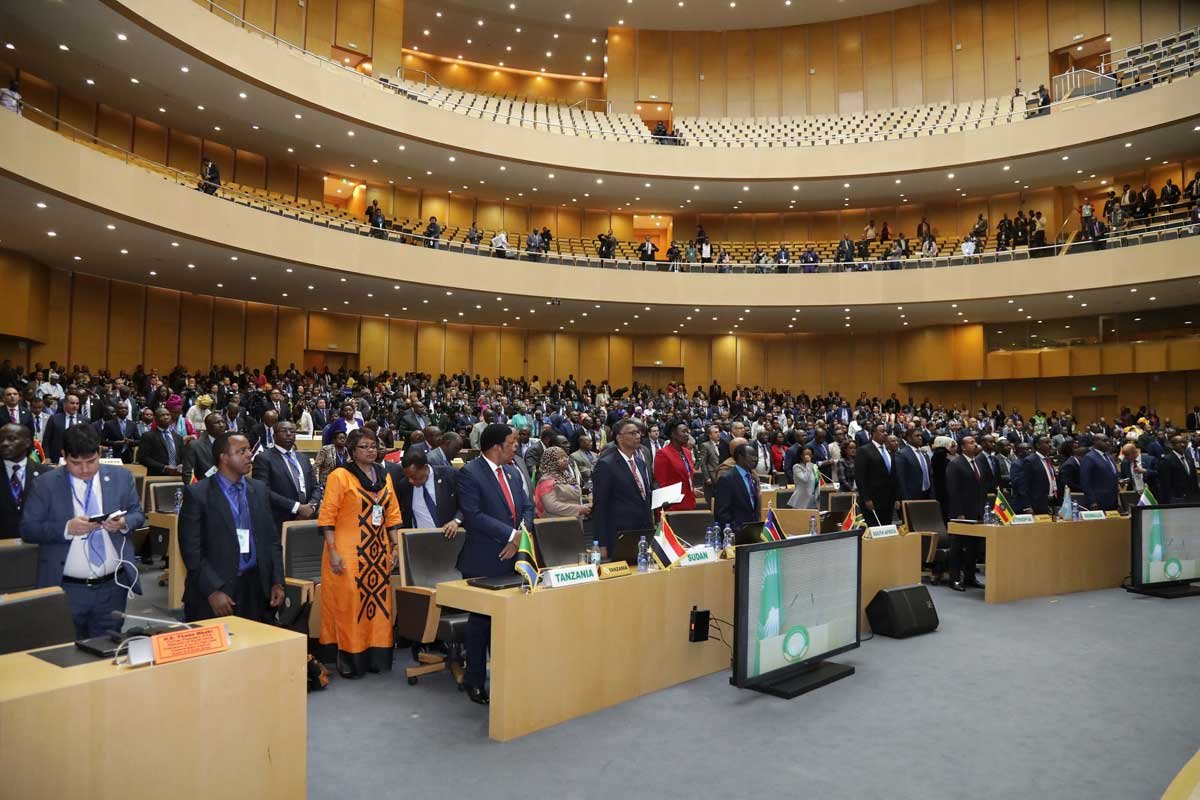
Across Africa, constitutional governance has become one of the defining issues of political stability. Over the past three decades, many countries have adopted multiparty systems, strengthened judicial institutions, and introduced electoral reforms aimed at consolidating democratic norms. Yet transitions of power continue to test institutional resilience.
In several states, constitutional courts have emerged as critical arbiters during contested elections, tasked with validating results and mediating political disputes. Their credibility increasingly determines whether electoral tensions escalate into crises or are resolved within legal frameworks.
Civil society organizations and regional observers now play an essential complementary role. Domestic monitoring groups, often supported by continental institutions, contribute to transparency by observing polling processes, documenting irregularities, and promoting voter education.
Despite this progress, structural challenges remain. Electoral systems must contend with logistical constraints in vast territories, uneven access to technology, and the growing influence of disinformation campaigns amplified through digital platforms.
The durability of democratic systems in Africa will depend less on electoral frequency and more on institutional maturity, judicial independence, and the capacity of governments to translate political legitimacy into inclusive governance.








Leave a comment