

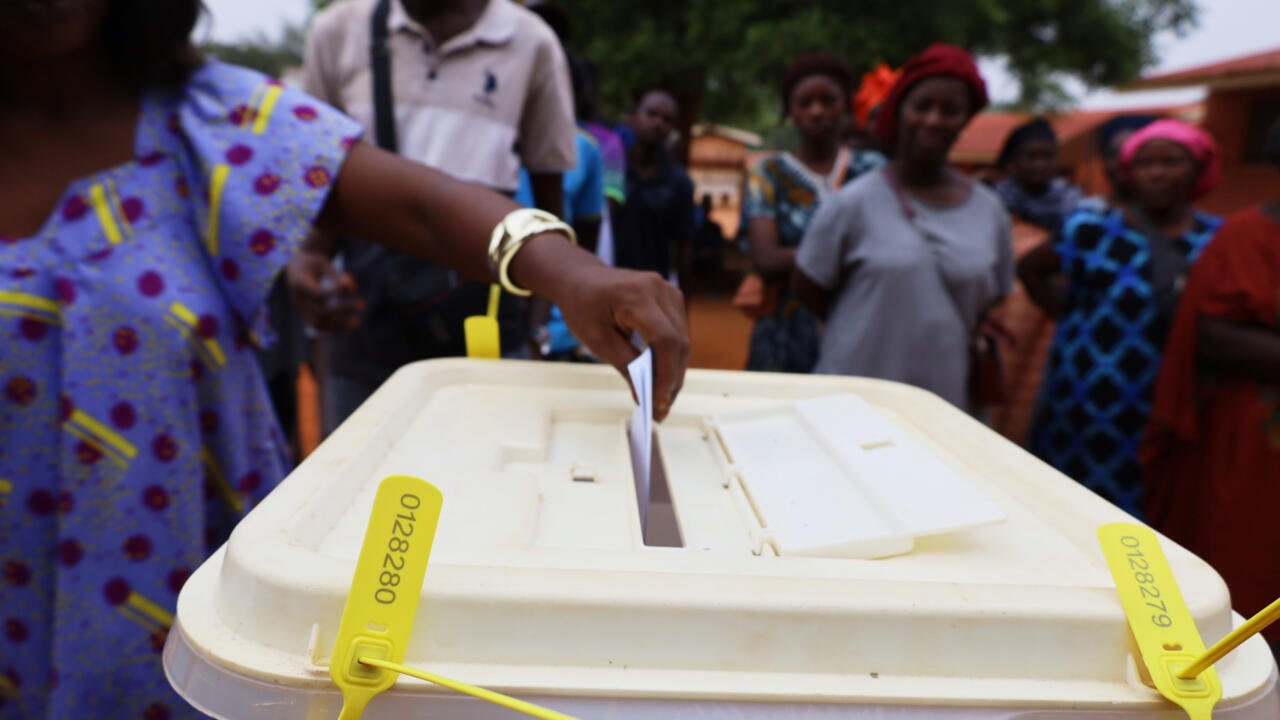
Guinea-Bissau’s military authorities have scheduled a constitutional referendum for August 30, just five months before the presidential election they have set as the final step toward a return to civilian rule.
The proposed constitutional reform is expected to significantly reshape the country’s political system, although the full text of the new Constitution has not yet been made public. Most of the announced changes concern electoral rules and the balance of power between institutions.
Under the proposed reform, the president would gain the power to appoint a prime minister who does not necessarily come from a parliamentary majority, moving Guinea-Bissau toward a presidential system rather than the current parliamentary model.
The reform also includes a reduction in the number of members of parliament and new eligibility rules that could exclude smaller political parties from competing effectively in elections.
Opposition Raises Concerns
The referendum comes after the military takeover that disrupted the previous electoral process. Following the coup, the authorities scheduled new presidential elections for December 6, which are expected to mark the transition back to civilian government.
However, the vote will be organized under a new electoral framework that has not yet been released publicly, preventing opposition parties from reviewing its provisions.
The political environment remains tense. Several opposition figures have reportedly faced harassment, house arrest, or travel restrictions. Political party headquarters remain closed across the country, demonstrations are banned, and press conferences not authorized by the military leadership are prohibited.
Will Embaló Return?
The political future of Guinea-Bissau remains uncertain, particularly regarding the candidates who will take part in the upcoming election.
Both the current president and prime minister are reportedly unable to run, raising speculation over the possible return of former president Umaro Sissoco Embaló.
Embaló has remained largely silent since leaving the country a year ago after being removed from power in a military coup. At the time, preliminary electoral results had placed him in a difficult position against rival candidate Fernando Dias, before the military takeover interrupted the process.
According to reports from Jeune Afrique, Embaló is expected to seek the presidency again in the next election, after previously describing his removal from office as a coup against him.
The referendum and the electoral reforms that follow will therefore play a decisive role in shaping Guinea-Bissau’s political future and the credibility of its promised democratic transition.







Leave a comment