
From May 20 to 23, 2026, Casablanca will host the 4th edition of the Oil Days, a pan-African institutional event organized by 3M-Partners & Conseils. Public decision-makers, investors, operators, experts, and institutions will gather around a central question for the continent: how can Africa transform its oil potential into sustainable investment?
Africa’s paradox is now well known. The continent is rich in resources but still struggles to capture a proportional share of global capital dedicated to their development. Africa is expected to produce 11.4 million barrels of oil equivalent per day in 2026, rising to 13.6 million by 2030, while attracting only about 8% of global investments in exploration and production, according to The State of African Energy 2026 report by the African Energy Chamber. In other words, geological potential alone is no longer sufficient. Attractiveness has become a political, institutional, fiscal, and informational construct. This shift in perspective is precisely what this 4th edition of the Oil Days aims to address.
Building Attractiveness Before Negotiation
This year’s theme, “Building Attractiveness: Strategies and Conditions for the Development of African Hydrocarbons,” comes at a pivotal moment. The partial withdrawal of some major oil companies, increasing competition between basins, more selective capital flows, and rising governance requirements are pushing African oil-producing countries to rethink their fundamentals.
As Gacyen Mouely, Managing Partner of 3M-Partners & Conseils, explains:
“The first three editions of the Oil Days helped build a solid foundation around the management and negotiation of oil contracts. This year, we are taking it a step further: before negotiating a contract, you must first attract the investor. That is the challenge we are putting forward in Casablanca.”
The discussions will be structured around six sub-themes: reforms and governance; data and digitalization; fiscal attractiveness and economic profitability; local content and expertise; gas valorization and market opportunities; and the role of hydrocarbons in the energy transition. This framework aims to foster dialogue among stakeholders who often interact but rarely engage deeply with one another: producing states, investors, operators, experts, institutions, and civil society.
High-Level Partners Setting the Tone
The caliber of partners involved reflects the ambition of this edition.
S&P Global, a global leader in financial and energy market intelligence, will address the environment of upstream and downstream activities in Africa, as well as opportunities related to gas and market development.
The International Arbitration Chamber of Paris (CAIP) will focus on dispute resolution between states and operators—a particularly sensitive issue as several African countries face ongoing disputes or renegotiations that could impact their investment climate.
Africa Finance Corporation (AFC), a leading multilateral financial institution, will present its investment criteria and its perspective on the fiscal frameworks governing African oil projects.
Why Morocco
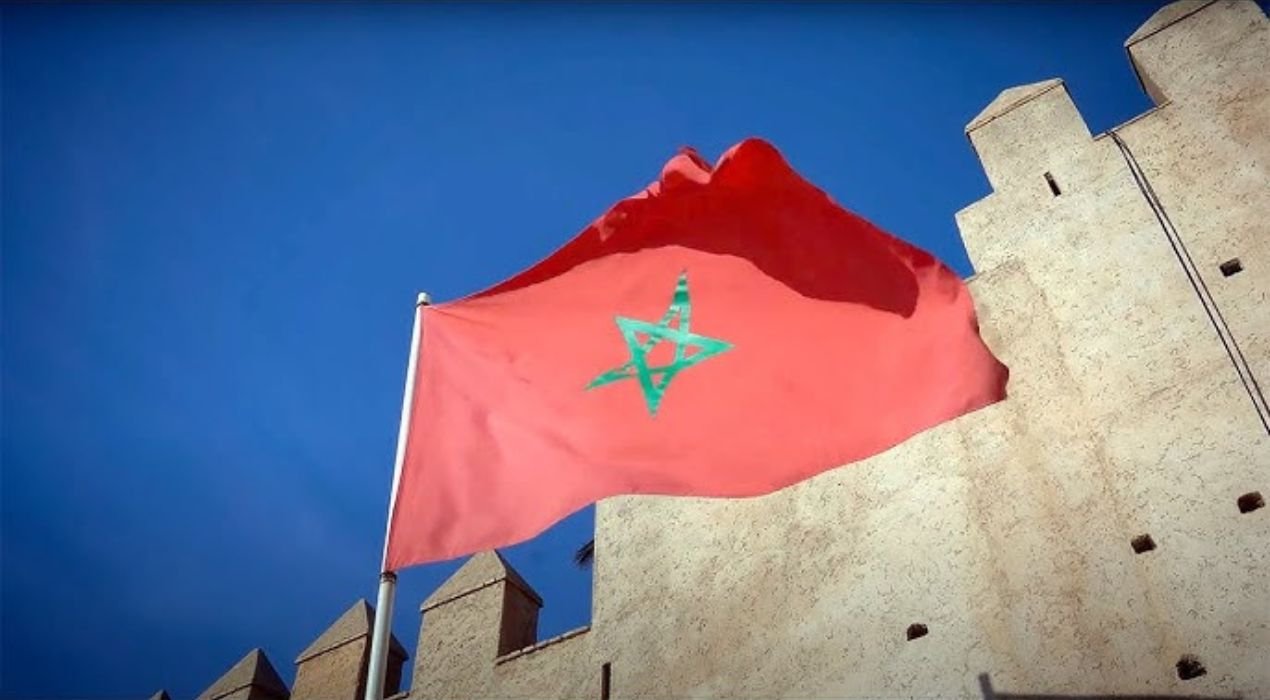
The choice of Casablanca is far from incidental—it is central to the message. Morocco has built strong multi-sector attractiveness without relying on significant oil resources. Political stability, a secure legal framework, world-class infrastructure such as Tanger Med, and regional integration initiatives like the Morocco-Nigeria Atlantic gas pipeline make the country a compelling case study.
Hosting the Oil Days in Casablanca around the theme of attractiveness offers African delegations an immersion into a model where credibility is not derived from natural resources, but from consistent efforts in building institutions, infrastructure, and strategic vision.
As Gacyen Mouely puts it:
“Morocco did not wait for oil to attract investors. It built its credibility step by step through its institutions, infrastructure, and vision. That is exactly the message we want to share with producing countries: attractiveness is a political choice before it becomes a geological reality.”
A Growing Pan-African Platform
Launched in 2023 by 3M-Partners & Conseils, an independent African firm based in Libreville, the initiative has quickly stood out in a landscape often dominated by trade fairs and investment forums. Its uniqueness lies in its focus: creating a dedicated African platform for sharing experiences and best practices among administrations, institutions, and sector stakeholders facing common challenges.
The firm reports more than 1,800 missions carried out in Africa since 2009, including over 800 related to oil cost auditing, contract negotiation, and training of personnel in the hydrocarbons sector. This depth of experience gives the Oil Days a rare grounding in the continent’s technical and institutional realities.
Since its inception, more than ten African countries have participated, sending nearly 250 senior officials from administrations, institutions, and national companies. Each edition has explored a specific angle related to production-sharing contracts: audits in 2023, economic impact in 2024, negotiation and monitoring in 2025. In 2026, the focus shifts further upstream—from the contract itself to the conditions that make such contracts possible.
A Strategic Meeting for Decision-Makers
The 2026 Oil Days primarily target those directly responsible for managing natural resources: ministers of petroleum, economy, finance, and environment; regulators; national oil companies; parliamentarians; specialized institutions; and financial partners.
In a continent still struggling to fully capture the value of its resources, such a platform addresses a strategic need: better understanding what truly attracts investment, what secures it, and how it can ultimately be transformed into sustainable value.
Registrations are ongoing at journeespetrole.com.




Leave a comment