

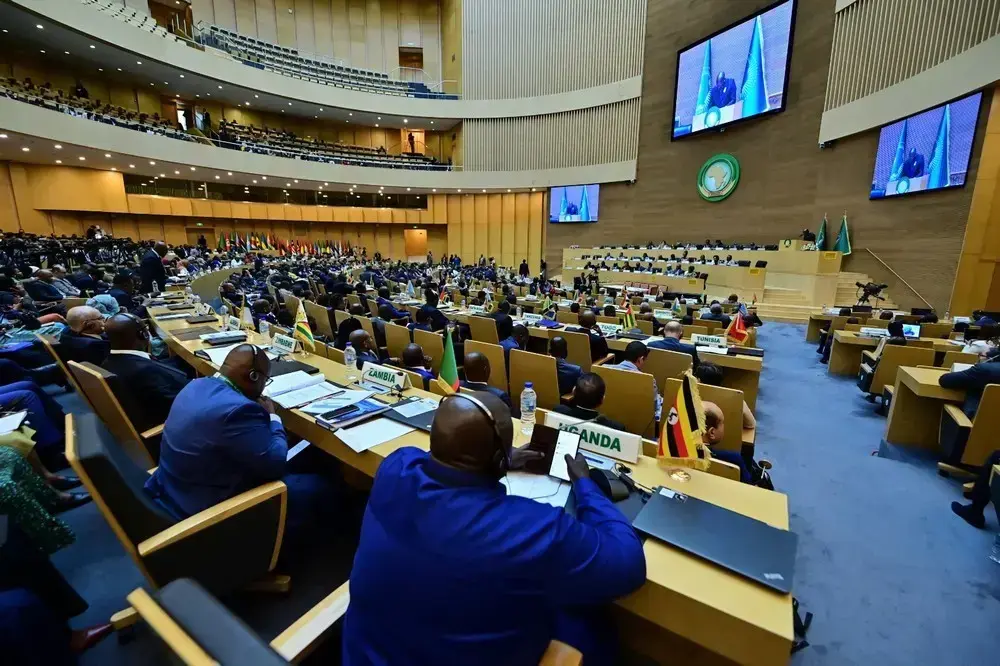
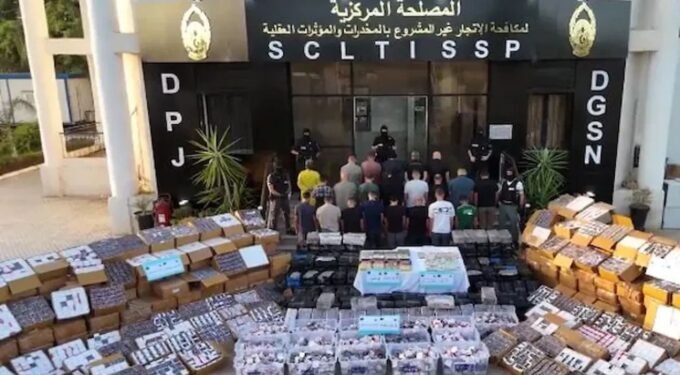
The Sahel remains one of the most strategically sensitive regions on the continent. Stretching from Senegal to Sudan, it faces complex security dynamics involving armed insurgencies, trafficking networks, fragile governance systems, and climate pressures.
Over the past decade, regional coalitions and continental mechanisms have attempted to coordinate responses. Joint task forces, intelligence sharing initiatives, and stabilization missions have been launched to contain the spread of violence. Yet progress has been uneven.
One central dilemma lies in balancing national sovereignty with collective security. While governments seek to maintain control over their security agendas, transnational threats demand coordinated responses that transcend borders.
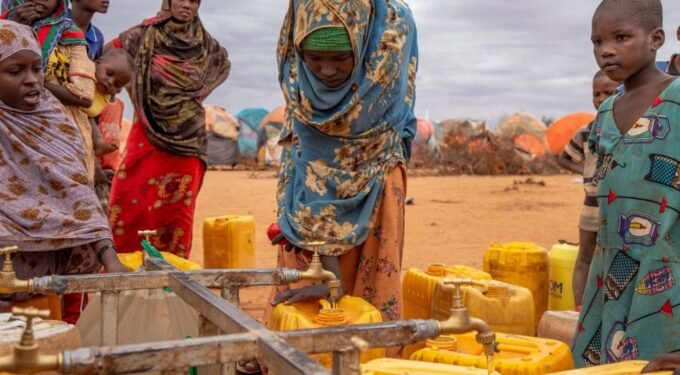
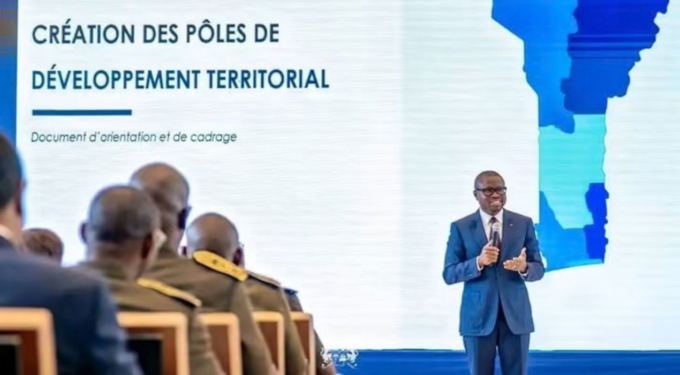
Long term stability will depend on more than military deployment. Investments in education, job creation, rural infrastructure, and climate adaptation are essential to address the root causes of instability. Without socio economic integration, security gains risk remaining temporary.
The future of the Sahel will test Africa’s ability to combine political leadership, institutional reform, and development strategy into a coherent regional response.









Leave a comment