
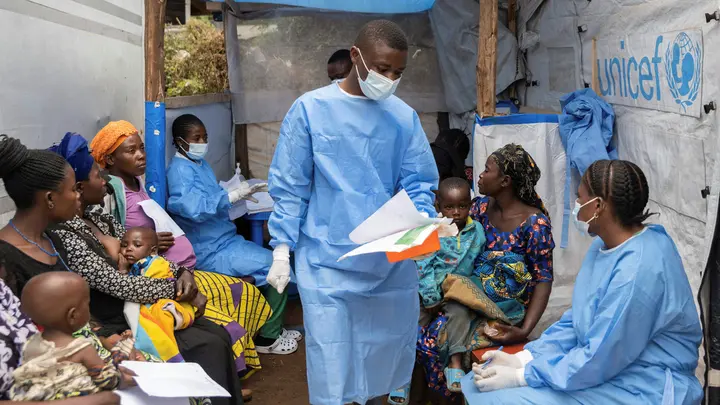
The Director-General of the World Health Organization (WHO) has raised concerns over the “scale and speed” of an Ebola outbreak currently affecting the Democratic Republic of Congo (DRC), where the virus is believed to have caused 131 deaths and 513 suspected cases. Ebola is a highly contagious viral disease that causes severe haemorrhagic fever. Over the past 50 years, the virus has killed more than 15,000 people across Africa.
On Sunday, May 17, 2026, the WHO declared an international health alert in response to the outbreak in the DRC, a vast Central African country with a population of over 100 million. The agency is set to convene its emergency committee on Tuesday to assess the situation. On Monday evening, the Africa Centres for Disease Control and Prevention (Africa CDC) also declared a continental “public health emergency.”
Rising uncertainty over case numbers
Health authorities say only a limited number of samples have been tested in laboratories so far, meaning the current figures are largely based on suspected cases rather than confirmed infections. DRC Health Minister Samuel Roger Kamba stated on national television that authorities have recorded “about 131 deaths” and “around 513 suspected cases.”
He added that not all reported deaths have yet been confirmed as Ebola-related, noting that “these are all deaths found in the community without necessarily confirming they are linked to Ebola.” Earlier reports from the Ministry of Health had put the toll at 91 deaths and 350 suspected cases, indicating a rapid increase in reported figures.
Bundibugyo strain with no specific treatment
The strain responsible for the outbreak has been identified as the Bundibugyo variant of Ebola. There is currently no specific vaccine or targeted treatment for this strain.
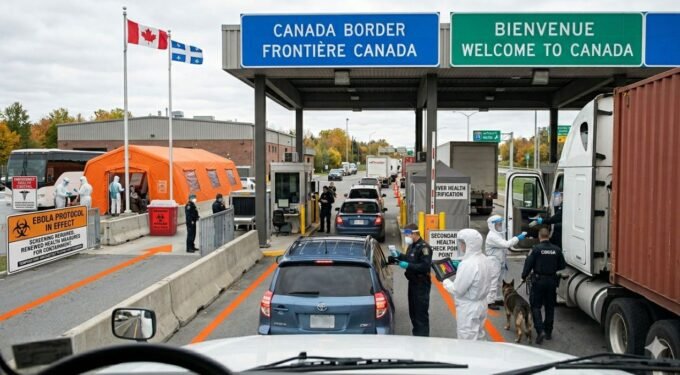
Public health responses therefore rely primarily on containment measures, including strict hygiene protocols, contact tracing, and rapid identification of suspected cases to limit further transmission.









Leave a comment