

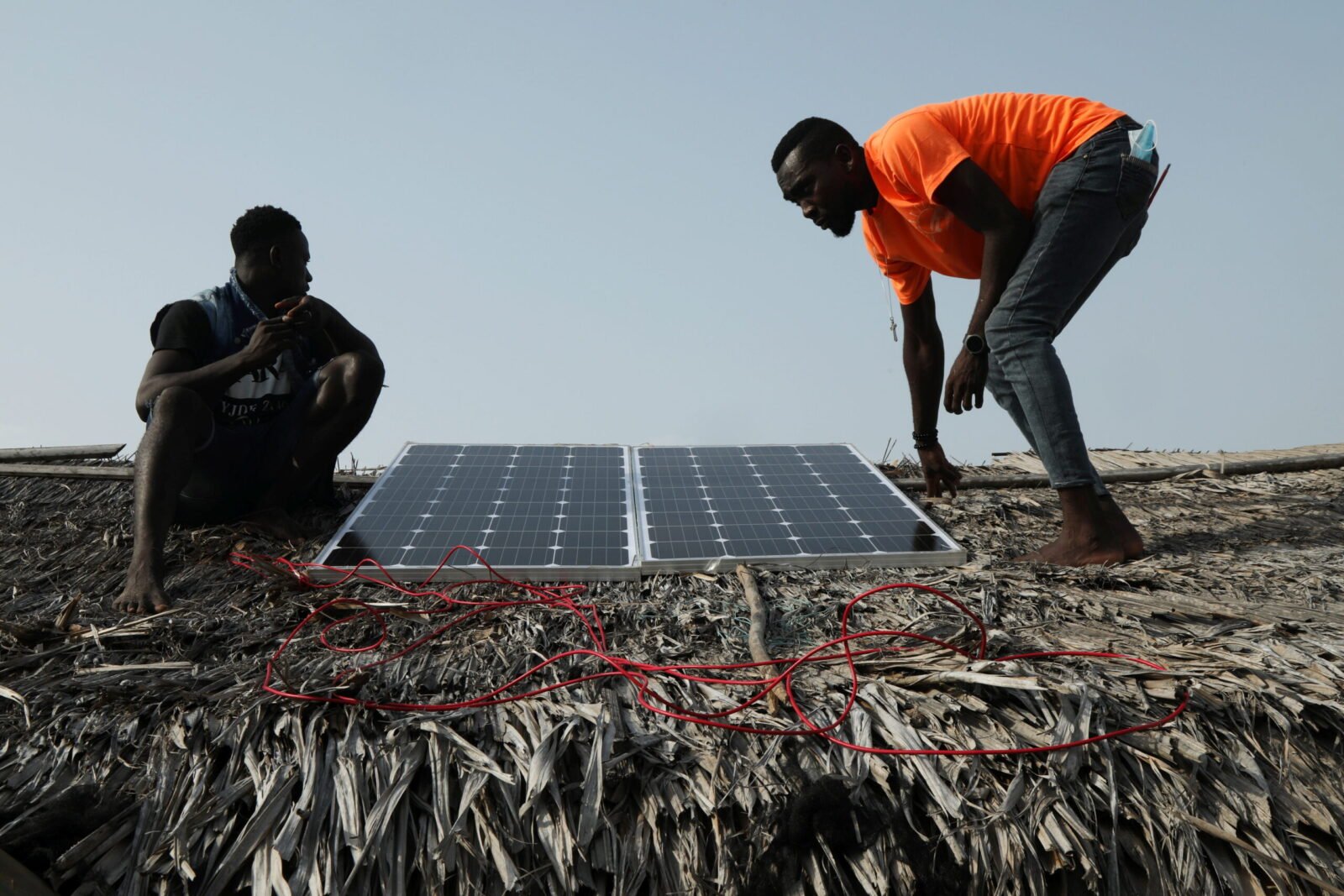
Chinese solar equipment exports to Africa are reaching unprecedented levels in 2026, highlighting both the continent’s growing energy needs and China’s search for new markets amid rising trade barriers in the West. According to figures reported by RFI, China exported a record volume of photovoltaic components in March 2026, with Africa emerging as one of the main growth drivers. Imports of Chinese solar products to the continent reportedly jumped by 176% in just one month.
Nigeria and Ethiopia Lead the Surge
Several African countries recorded spectacular increases in purchases of Chinese solar equipment. Nigeria multiplied its imports by six, while Ethiopia nearly quintupled its orders over the same period. Overall, Chinese exports of solar panels and photovoltaic cells to Africa rose by 83% year-on-year, underlining the rapid acceleration of renewable energy investments across the continent.
Africa’s Massive Solar Potential
The boom is largely driven by Africa’s enormous untapped solar capacity. The continent is estimated to hold nearly 60% of the world’s best solar resources, yet hundreds of millions of Africans still lack reliable access to electricity. For many governments, solar energy is increasingly viewed as the fastest and most affordable way to expand electricity access, particularly in rural and underserved regions where extending traditional power grids remains costly. Chinese-made solar panels, known for their low prices and large-scale availability, are therefore becoming a preferred option for both public and private energy projects.
China Looks Beyond Western Markets
The export surge also reflects changing global trade dynamics. Chinese solar manufacturers have been facing mounting pressure in Western markets due to tariffs and trade restrictions introduced by the United States and the European Union. As competition intensifies and barriers increase in Europe and North America, Chinese companies are increasingly turning toward emerging markets, with Africa becoming one of the most strategic destinations.
Opportunity and Dependence
While the influx of affordable solar technology could accelerate Africa’s energy transition, some analysts warn that the continent risks becoming heavily dependent on imported equipment. Most African countries still have limited domestic manufacturing capacity for photovoltaic technologies, meaning local industries capture only a small share of the value chain. Experts argue that the next challenge for African governments will be to move beyond simple imports and develop local assembly plants, technical expertise, and renewable energy supply chains capable of creating jobs and reducing long-term dependency.
A Rapidly Expanding Renewable Market
Despite these concerns, the momentum behind solar energy in Africa continues to grow rapidly. With rising electricity demand, frequent power shortages, and increasing international climate financing, renewable energy is becoming central to many African development strategies. For Chinese manufacturers, meanwhile, Africa represents not only a fast-growing commercial market, but also a key arena in the global competition for influence in the green energy transition.













Leave a comment