

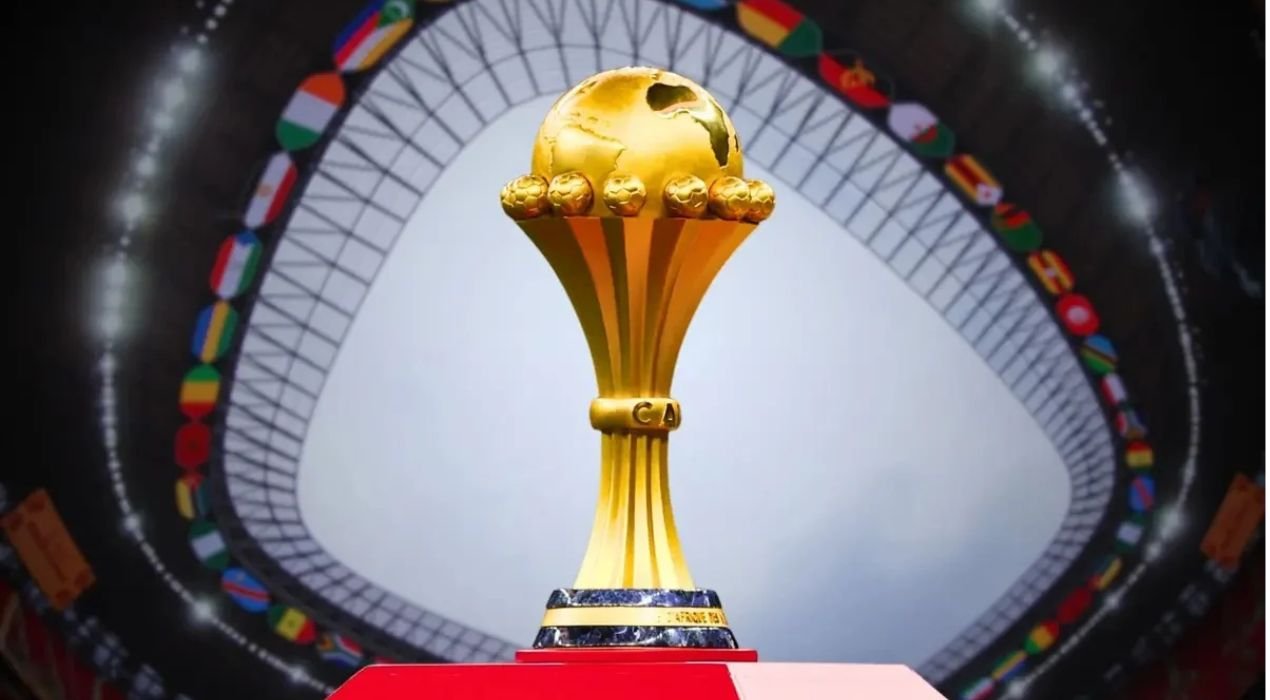
By overturning the CAF Appeals Board’s decision concerning the AFCON 2025 final, the Court of Arbitration for Sport (CAS) has reinstated Senegal as African champions. The court notably found that the referee had committed no error of law by ordering the match to resume after the interruption caused by Senegalese players leaving the pitch. This interpretation raises questions that go far beyond the dispute between Rabat and Dakar.
At the heart of the debate, two questions remain: can players collectively leave the pitch to protest a refereeing decision without facing sporting consequences? And did the proceedings before CAS provide all the necessary guarantees of independence and impartiality?
The ruling therefore does not put an end to discussions about how collective protests should be handled and the need for transparency in football disciplinary proceedings.
The risk of normalising walk-offs
The issue now extends beyond the AFCON 2025 final itself. On 17 November, during the Libya-Tunisia match in the AFCON 2027 qualifiers, Tunisian players left the pitch for several minutes to protest a penalty decision before returning to play.
The incident has reignited debate over the limits of on-field protests. If a team can interrupt a match to express disagreement with a refereeing decision without necessarily facing sporting sanctions, what message does that send to other teams? Could such a situation encourage similar behaviour in competitions such as the World Cup or the Champions League?
Protecting the referee’s authority must not come at the expense of enforcing the rules. The challenge is to safeguard both the continuity of play and collective discipline, without allowing power struggles to dictate how matches unfold.
This question takes on added significance in light of changes to international rules. At a meeting in Vancouver on 28 April 2026, the International Football Association Board (IFAB) unanimously approved, following a proposal by FIFA, an amendment providing for the dismissal of players who leave the pitch to protest a refereeing decision, as well as officials who encourage them to do so.
As these provisions were adopted after the AFCON 2025 final, they cannot be applied retroactively to that match. Nevertheless, they reflect the determination of international governing bodies to strengthen discipline in response to collective protests.
The Ulrich Haas case raises questions
Another aspect of the dispute concerns the integrity of the arbitration proceedings before CAS. The Royal Moroccan Football Federation (FRMF) claims that contacts took place between German arbitrator Ulrich Haas, who was appointed to the case, and Abdoulaye Fall, president of the Senegalese Football Federation (FSF), 48 hours before the verdict was delivered.
The Senegalese side disputes the existence of this exchange. The FRMF had requested a suspension of the delivery of the ruling to obtain clarification about the alleged contacts. The arbitration panel rejected that request.
The controversy raises questions about the guarantees of independence and impartiality required of CAS arbitrators. Even when appointed by the parties, arbitrators are not their representatives: they must carry out their duties independently and comply with their confidentiality obligations.
What checks were carried out into the allegations raised by the Moroccan federation? What evidence did the arbitration panel consider when assessing the objection? These are among the questions on which the parties and the relevant authorities may be called upon to provide clarification.
Sports justice credibility at stake
CAS’s credibility rests not only on the legal soundness of its decisions but also on the confidence placed in the integrity of the proceedings leading up to them. In a case as sensitive as the AFCON 2025 final, transparency over the objections raised is a major concern.
The title has now been awarded to Senegal in accordance with the CAS ruling. However, the debates surrounding the walk-off and guarantees of impartiality do not disappear with the verdict.
FIFA, CAF and IFAB will need to continue clarifying the disciplinary consequences of such collective interruptions. Beyond the interests of Morocco and Senegal, what is at stake is the consistent application of the rules and the preservation of refereeing authority.











Leave a comment