

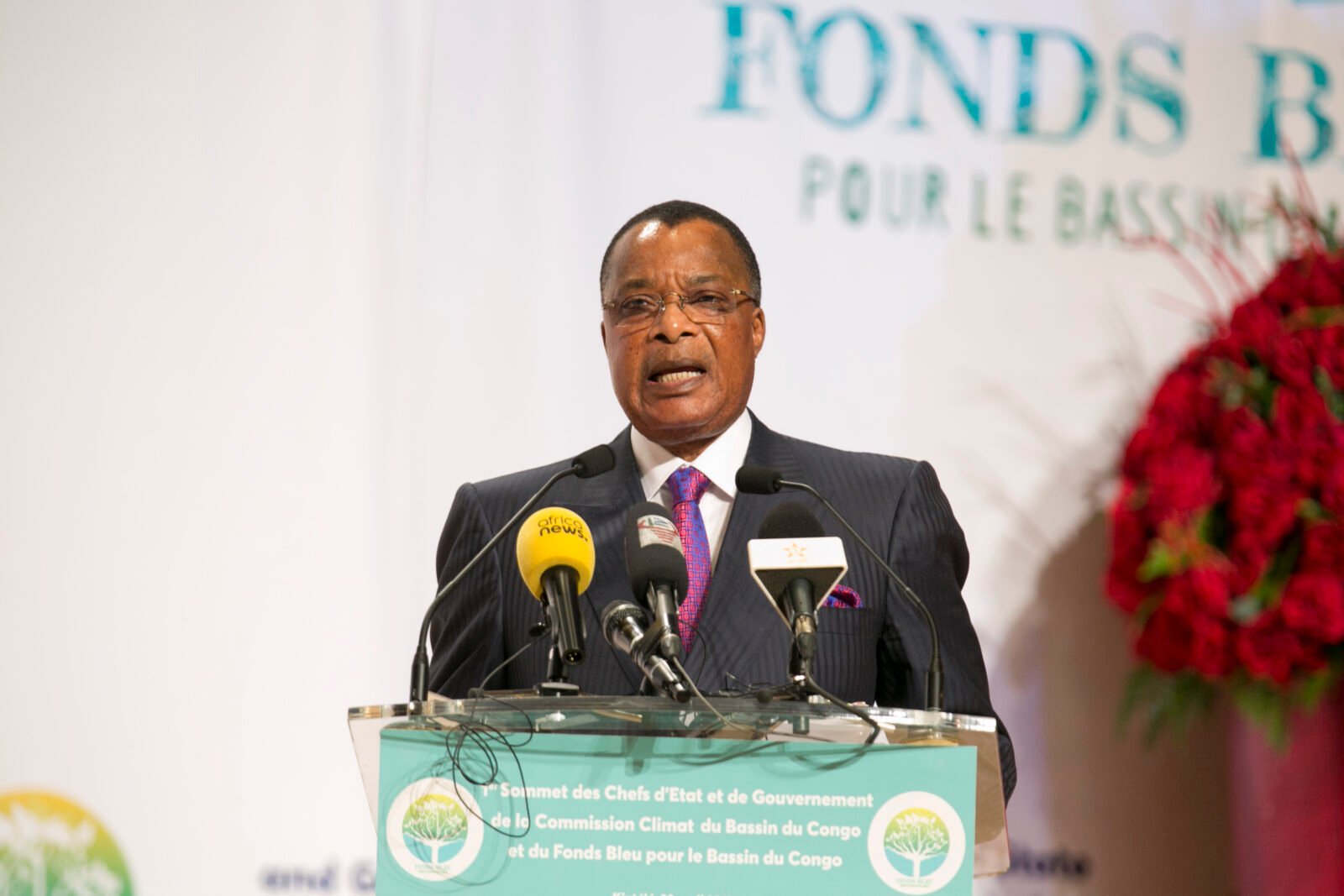
Brazzaville has hosted a high-level donor roundtable aimed at mobilizing financing for the priority program of the Blue Fund for the Congo Basin, a flagship environmental initiative designed to support climate resilience and sustainable development across Central and parts of East Africa.
The meeting took place on Tuesday, May 26, on the sidelines of the 61st Annual Meetings of the African Development Bank Group (AfDB) and brought together regional heads of state, development partners, and financial institutions.
A $5.3 Billion Climate Investment Plan
Launched in 2016, the Blue Fund for the Congo Basin is intended to finance large-scale projects focused on water management, renewable energy, sustainable agriculture, and climate change mitigation across 17 African countries.
According to officials, 63 priority projects have already been identified, with an overall financing need estimated at $5.3 billion by 2028.
The initiative is being coordinated with the support of key institutions including the African Development Bank, the Bank of Central African States development arm, and the African Solidarity Fund.
Early Commitments Announced
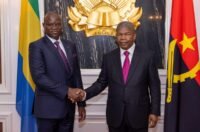
Congolese President Denis Sassou Nguesso, who chaired the discussions, welcomed what he described as a promising first step toward closing the funding gap.
“The longest journey begins with a single step, and we have just taken it,” he said. “In broad terms, I can announce that three billion US dollars have been pledged, along with 7,000 billion in guarantee funds.”
His remarks were made in the presence of regional leaders, including officials from Central Africa, highlighting growing political momentum around climate financing for the Congo Basin.
A Strategic Environmental Asset for Africa
Gabon’s transitional president Brice Clotaire Oligui Nguema also stressed the strategic importance of the Congo Basin, describing it as a global climate stabilizer rather than a peripheral ecological zone.
“The Congo Basin should no longer be considered an ecological periphery; it must be recognized as a strategic center of global climate stability,” he said.
The basin, often referred to as the world’s second-largest tropical rainforest after the Amazon, plays a critical role in carbon absorption and biodiversity preservation, making it a key focus of international climate diplomacy.
Economic Outlook: AfDB Remains Optimistic but Cautious
The donor meeting coincided with the release of the African Development Bank’s latest African Economic Outlook 2026 report, which forecasts continental growth of 4.2% in 2026, slightly down from 4.4% in 2025.
The report highlights strong agricultural performance, elevated commodity prices, and ongoing structural reforms as key drivers of growth. It also notes that 22 African countries could exceed 5% GDP growth next year.
However, significant regional disparities persist. East Africa is projected to lead with 5.9% growth, followed by West Africa at 4.7%. Central Africa is expected to grow by 3.8%, supported mainly by oil revenues, while Southern Africa lags behind at 2.1% due to weaker mining output and high energy costs.
Inflation and Structural Risks
Despite the positive outlook, the AfDB warns that inflation remains a major challenge across the continent, projected at 10.4% in 2026. The institution is urging African governments to strengthen domestic resource mobilization and expand public-private partnerships to reduce reliance on external financing.
As climate-related funding initiatives like the Blue Fund gain momentum, analysts say Africa is entering a decisive phase where environmental priorities and economic growth strategies are becoming increasingly intertwined.








Leave a comment