

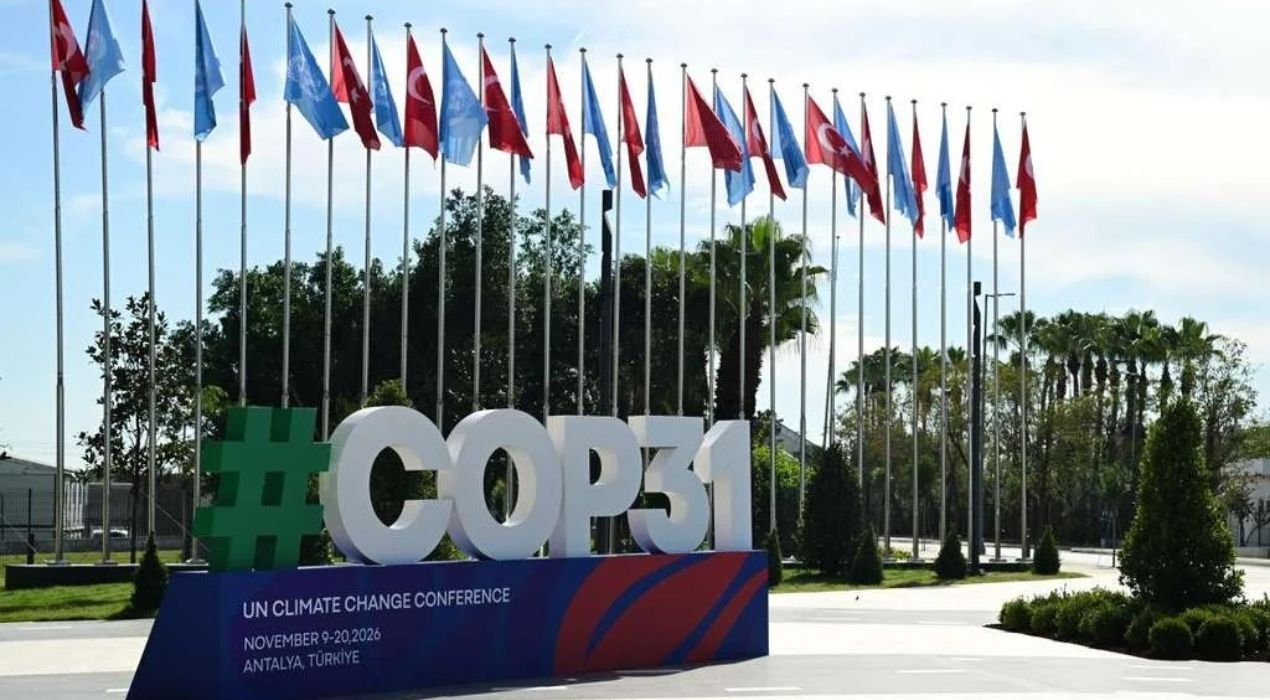
At COP31 in Antalya, Turkey, African negotiators are rejecting a draft agreement they consider unfair, calling for climate finance commitments that reflect developed countries’ historical responsibility for greenhouse gas emissions.
As the summit approaches its conclusion, African negotiators are challenging the proposed agreement, arguing that it fails to meet the expectations of populations most exposed to the consequences of climate change. Climate finance, reparations and the terms of the energy transition remain at the heart of the disagreements.
The chair of the African Group of Negotiators on Climate Change (AGN), Zanetor Agyeman-Rawlings, who is also Ghana’s Minister of Environment, criticised a draft that she said failed to address the continent’s demands.
“We did not come here to beg. We came here to demand what is rightfully ours for our people,” she said, accusing developed countries of imposing transition commitments on African nations without sufficiently taking into account their historical responsibility for the climate crisis.
African negotiators argue that countries most affected by climate disruption should not bear the cost of the necessary transformations alone, given their relatively small contribution to historical emissions.
Developed Countries Accused of Failing to Honour Commitments
The continent accuses major industrialised economies, regarded as the main historical contributors to pollution, of failing to fulfil their obligations regarding climate finance and support.
Zanetor Agyeman-Rawlings also stressed the need for African populations to have their voices heard in negotiations, rejecting the idea that COP31 should become another summit without tangible results.
“The people of Africa, those who have suffered the most from the consequences of activities carried out mainly by developed countries, deserve better,” she said, calling for decisions commensurate with the scale of the challenges.
Negotiations Remain Deadlocked
Talks remain particularly tense over fossil fuels, climate finance and the energy transition. These major issues continue to divide delegations as COP31 negotiations are expected to conclude on Friday.
Amid persistent disagreements, an extension of the talks is being considered. For African representatives, the priority is now to secure an agreement guaranteeing concrete, fair commitments tailored to the continent’s needs, rather than another declaration with no real impact.











Leave a comment