


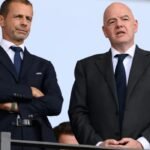
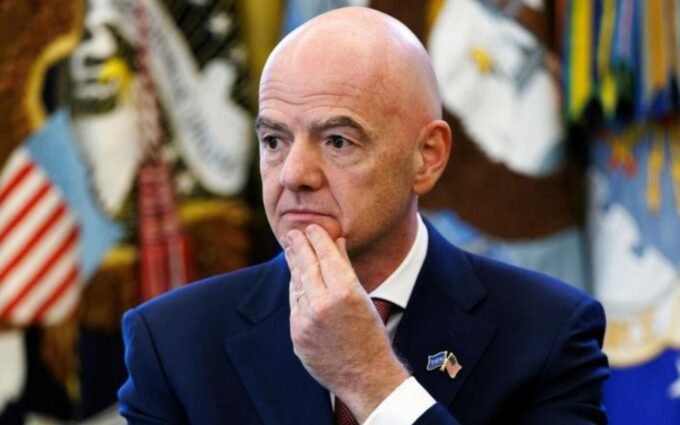
Fresh controversy is surrounding FIFA President Gianni Infantino following reports that the governing body is exploring the possibility of bringing private investors into the commercial ownership of the FIFA World Cup. The proposal, first reported by The Times, has triggered widespread concern among football observers who fear that the world’s biggest sporting event could become increasingly driven by financial interests rather than sporting values.
A major shift in football governance
According to the report, FIFA is considering creating a commercial entity that would manage the rights of the FIFA World Cup, the Women’s World Cup and the FIFA Club World Cup. Private investment groups could acquire stakes in the business, generating billions of dollars while reshaping the financial structure of global football.
Supporters of the project argue that additional investment would strengthen football development worldwide. Critics, however, warn that it risks turning football’s most prestigious tournament into a corporate asset.
Growing concerns over the « Americanisation » of football
The debate comes after the 2026 FIFA World Cup, where several commercial innovations—including an extended halftime entertainment show during the final—sparked discussion about the increasing influence of the American sports business model. Many analysts believe football is moving toward a more entertainment-focused product, with greater emphasis on sponsorship, premium hospitality and commercial experiences.
National associations face difficult decisions
Reports suggest FIFA could offer financial participation to its 211 member associations, allowing them to benefit directly from the project’s revenues. While such a proposal could provide significant financial support for many developing football nations, including those in Africa, critics argue it could weaken the independence of national federations and reduce opposition to future commercial reforms.
African football watching closely
For African football associations, the debate carries particular significance. FIFA funding has played a key role in financing infrastructure, grassroots programmes and competitions across the continent. Any new commercial model could create additional opportunities but also raise concerns about governance, transparency and the long-term protection of football’s global heritage.
As discussions continue, one question dominates the global football community: can the world’s most popular sport continue to grow commercially without sacrificing the traditions and values that made it a global passion?






Leave a comment