

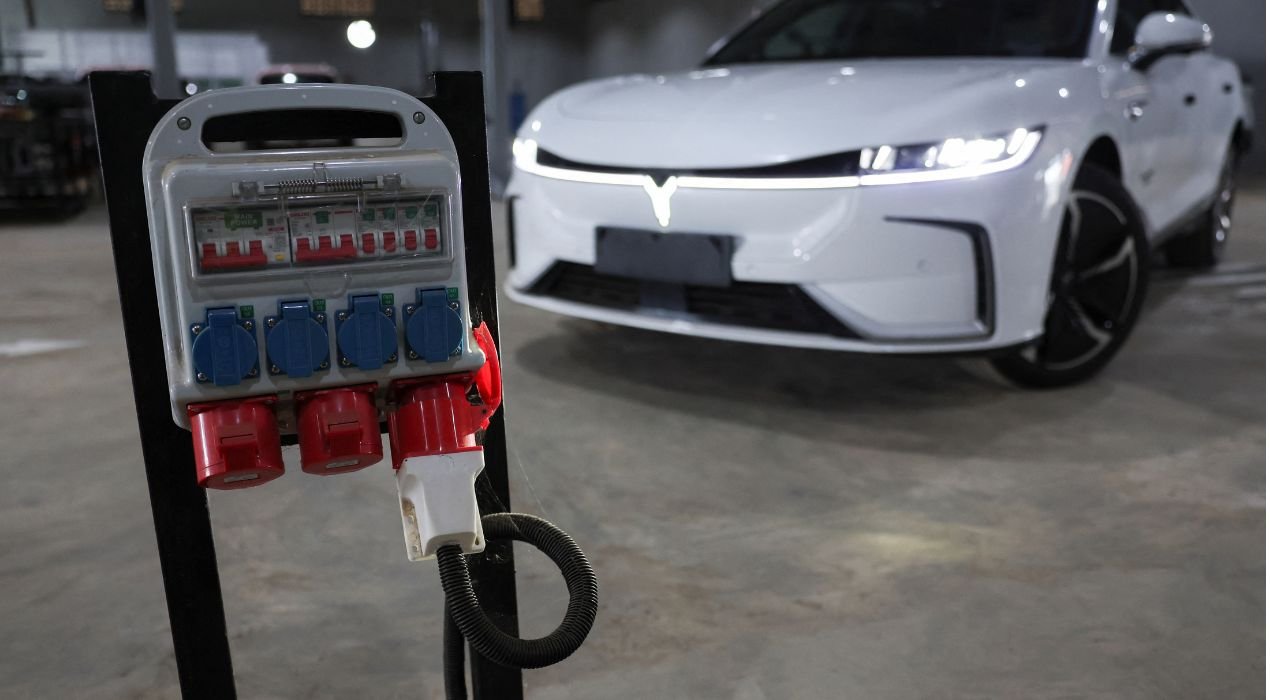
In Lagos, the deafening roar of traffic could one day give way to the quieter hum of electric vehicles as more Nigerians consider alternatives to petrol-powered cars. With fuel prices remaining a major concern, some motorists in Africa’s largest oil-producing country are beginning to explore electric vehicles as a potentially cheaper and cleaner option for daily transportation. But Nigeria’s transition to electric mobility faces significant challenges.
High fuel costs drive interest in electric cars
For many Nigerian motorists, the sharp increase in fuel prices has made the cost of running a conventional vehicle increasingly difficult to bear. Electric vehicles are therefore attracting growing interest, particularly among drivers looking to reduce their dependence on petrol and lower long-term transport costs. Lagos, one of Africa’s most congested cities, could potentially benefit from a shift towards quieter and less polluting vehicles.
Infrastructure remains a major obstacle
Despite the growing interest, Nigeria’s electric vehicle market is still at an early stage.
A limited charging network, high vehicle prices and concerns about the reliability of electricity supplies remain major obstacles for potential buyers. For motorists considering an electric car, access to charging infrastructure is particularly important in a country where power supply remains inconsistent in many areas.
The transition also requires investment in charging stations, maintenance services and technical expertise capable of supporting a growing fleet of electric vehicles.
An oil giant facing an energy transition
Nigeria’s move towards electric mobility presents a particular paradox. The country is Africa’s leading oil producer, yet its motorists have been hit by soaring fuel costs and the economic consequences of changes to fuel subsidies.
The growing interest in electric vehicles reflects a broader debate over Nigeria’s energy future.
While electric mobility could eventually reduce fuel consumption, emissions and transport costs, the country still has a long road ahead before electric cars become a realistic option for large numbers of motorists.
For now, the streets of Lagos remain dominated by petrol-powered vehicles. But as fuel prices reshape consumer choices, the electric vehicle could gradually become a more familiar sight on Nigeria’s roads.












Leave a comment