

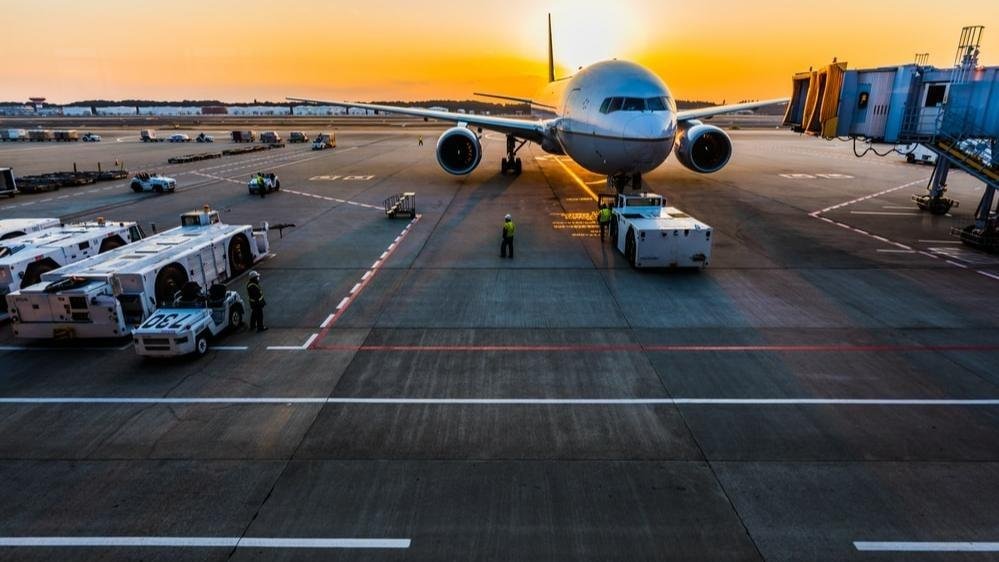
Africa’s aviation sector is entering a turbulent new phase. As jet fuel prices continue to rise following escalating tensions in the Middle East, several African airlines are being forced to cut routes, reduce frequencies, and review expansion plans in order to contain mounting financial losses.
Among the first major carriers to react publicly is Royal Air Maroc (RAM). On May 23, 2026, the Moroccan airline announced the temporary suspension of 12 international routes, including six connections to African destinations such as Bangui, Brazzaville, Kinshasa, Douala, Yaoundé, and Libreville. The company cited soaring kerosene prices, rising operational costs, and weakening demand on some routes as the main reasons behind the decision.
The route cuts also affect several European destinations from Tangier and Marrakech, illustrating the scale of the pressure currently weighing on airlines across the continent.
A Sector Already Fragile
For African airlines, the fuel crisis comes at a particularly difficult moment. Unlike many major global carriers, most African airlines operate with limited financial reserves, smaller fleets, and higher operating costs. Fuel already accounts for nearly 40% of operating expenses for some carriers on the continent, according to industry estimates.
The latest spike in jet fuel prices is largely linked to instability in the Middle East and disruptions affecting global oil supply routes, particularly around the Strait of Hormuz — a strategic corridor through which a significant share of the world’s oil exports transit.
In addition to rising fuel prices, airlines are also dealing with longer flight paths caused by airspace restrictions in parts of the Middle East. These rerouted journeys increase fuel consumption and operational costs even further.
Several African carriers are reportedly reviewing their networks behind closed doors, prioritizing profitable routes while scaling back destinations with weaker passenger demand. Analysts warn that secondary African cities could be the first to lose direct air connections if the crisis persists.
Royal Air Maroc’s Strategic Dilemma
The situation is particularly sensitive for Royal Air Maroc, which has spent the past few years positioning Casablanca as a major air hub linking Africa, Europe, and the Americas.
The airline had ambitious expansion plans tied to Morocco’s preparations for the 2030 FIFA World Cup, including fleet expansion and the launch of new long-haul destinations.
However, the recent fuel shock now threatens to slow down that momentum. Aviation experts note that suspending routes to Central Africa may help the airline reduce short-term losses, but it could also weaken its competitive position in one of the continent’s fastest-growing aviation markets.
Health Concerns Add More Uncertainty
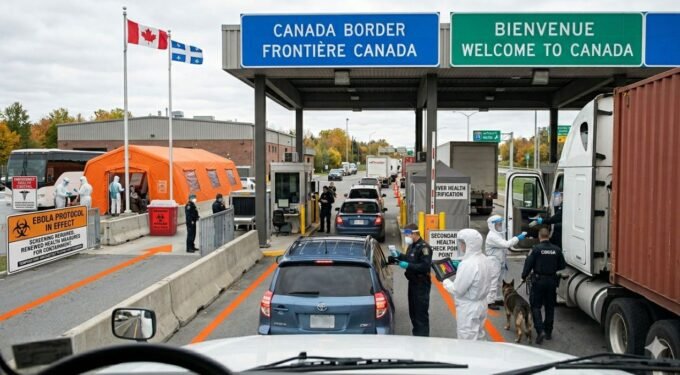
Beyond fuel prices, African aviation authorities are also monitoring growing health concerns in some regions, raising fears of new travel restrictions or reduced passenger confidence.
While no continent-wide restrictions have been announced, aviation observers warn that any new health emergency could further damage an industry that is still recovering from the economic consequences of the COVID-19 pandemic.
For airlines already struggling with debt, volatile currencies, and expensive fuel imports, another major disruption could prove devastating.
A Delicate Balancing Act
The current crisis highlights the structural vulnerability of African aviation. Many airlines remain heavily dependent on international fuel markets while operating in regions where passenger traffic is still developing.
For now, most carriers are attempting to absorb the shock quietly through route optimization and cost-cutting measures. But if fuel prices remain high throughout 2026, aviation analysts expect more African airlines to announce service reductions, fare increases, or delays to expansion projects.
The coming months may therefore determine whether Africa’s aviation recovery can withstand another global economic storm — or whether the continent’s airlines will once again be forced into survival mode.











Leave a comment