

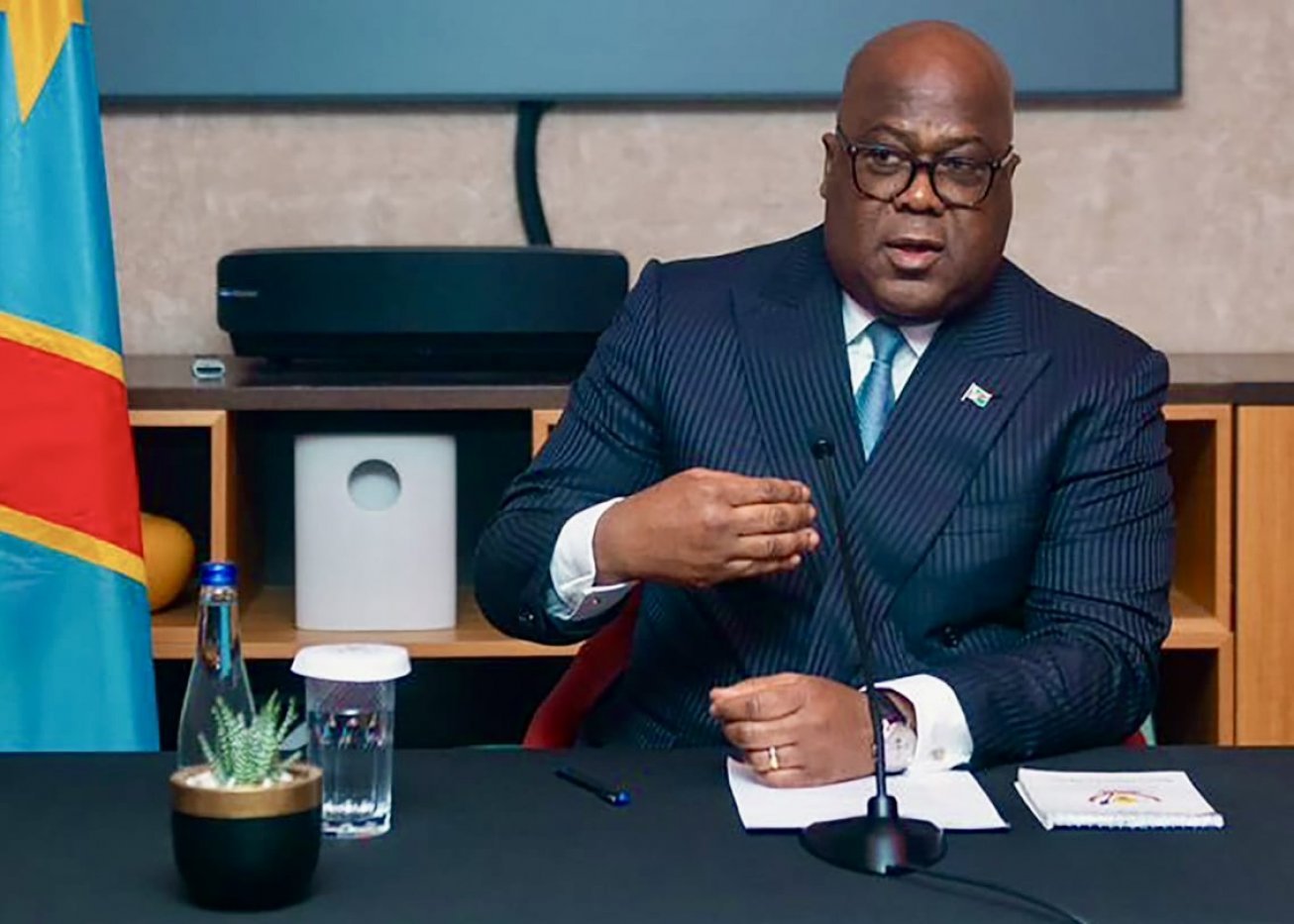
The United Nations has reported that 42 members of political parties in the Democratic Republic of Congo (DRC) are currently in detention, highlighting ongoing concerns over human rights and the humanitarian situation in the country.
Human Rights Situation Continues to Worsen
According to the latest monthly report from the United Nations Joint Human Rights Office in the DRC (BCNUDH), human rights and humanitarian conditions in the DRC have continued to deteriorate. In January 2026 alone, the office documented at least 439 human rights violations.
The UN attributes a significant portion of these violations to armed groups, with the eastern provinces of the country most affected by violence and insecurity.
Detentions Linked to Intelligence Services
The report also documents political detentions, noting that more than 40 political party members were held by intelligence services as of the end of January 2026.
These individuals were detained by entities including the National Cyber Defense Council (CNC), the military justice system, or unidentified actors, according to BCNUDH. Many are held in Ndolo military prison in Kinshasa or in various clandestine detention sites.
Opposition Members Among Those Detained
The majority of detainees are members of opposition parties. BCNUDH reports that 20 are from Moïse Katumbi’s party, Ensemble pour la République, while four are from Joseph Kabila’s PPRD, including Secretary-General Emmanuel Shadary and Vice-President Aubin Minaku, arrested on December 16 and January 18, respectively.
Previous Reports Highlight Broader Detention Practices
In March 2026, BCNUDH released earlier figures on overall detainees in Congolese intelligence facilities. At that time, at least 500 individuals were reported to be held in the facilities of the National Intelligence Agency (ANR), CNC, and Military Intelligence Headquarters. The UN had called on authorities to transfer all detainees to competent judicial bodies to ensure due process.
The report underscores growing concerns about political repression, arbitrary detention, and human rights violations in the DRC, emphasizing the need for accountability and transparent legal proceedings.











Leave a comment