

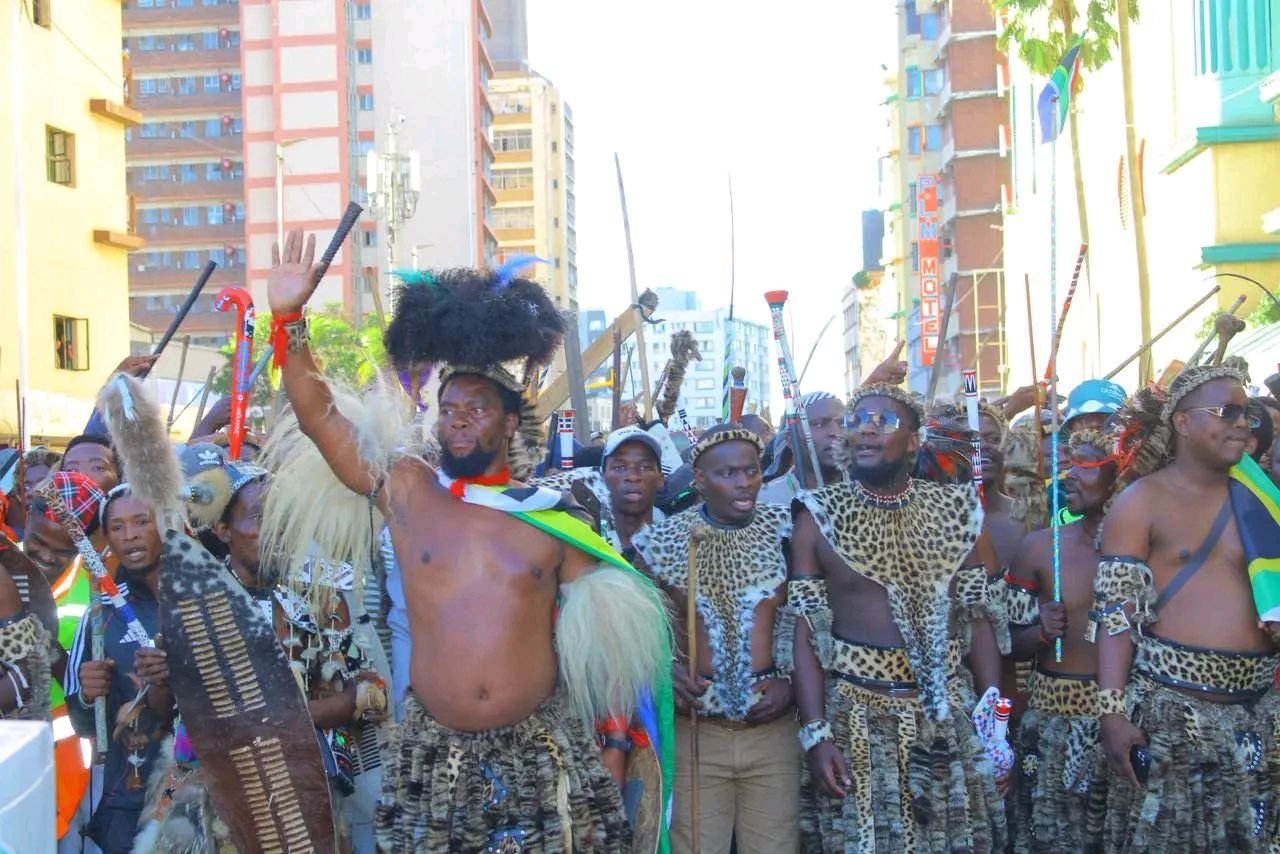
Ghana has formally raised concerns with the African Union over a wave of xenophobic attacks in South Africa and is calling for urgent measures to address the situation. Since late March 2026, South Africa has been rocked by violence targeting African migrants, with disturbing scenes widely circulated on social media. At least seven people have reportedly been killed, according to a provisional toll.
Ghana’s Foreign Affairs Minister expressed deep concern over the recurring attacks on foreign nationals in South Africa and requested that the issue be placed on the agenda of the next African Union summit, scheduled to take place in Egypt from June 24 to 27. Accra considers the attacks a violation of the African Charter on Human and Peoples’ Rights and has appealed directly to the AU for action.
In a statement released late Wednesday, the Ghanaian government said it was “deeply concerned by the recurrence of xenophobic incidents” in South Africa, adding that it was “particularly troubling” that such incidents “have persisted for several years.”
Ghana has called on the African Union to strengthen its monitoring mechanisms for violations of the human rights charter and proposed the creation of an investigative mission tasked with examining “the root causes of xenophobic violence” in South Africa.
Without directly blaming Pretoria, Ghana said the continued attacks contradict the principles of African solidarity and unity, especially considering the support many African nations gave South Africa during the struggle against apartheid.
On Tuesday, one of the victims of the attacks was repatriated to Ghana by local authorities. Ghana’s Foreign Minister also summoned South Africa’s acting High Commissioner in Accra over the matter. According to Ghanaian authorities, the diplomat responded that South African officials had “taken note” of Ghana’s concerns.
Growing Concern Across Africa
Several African countries have already voiced alarm over the situation. In Nigeria, authorities summoned the South African ambassador, accusing Pretoria of not doing enough to stop the harassment of Nigerian nationals living in the country. Abuja says it has received more than 130 repatriation requests from its citizens. A delegation from the Nigerian Parliament is also expected to travel to Pretoria in the coming days.
Lesotho and Malawi have likewise officially expressed concern and established emergency hotlines for their citizens residing in South Africa. Officially, the demonstrations are being presented as marches organized by South African groups protesting illegal immigration. In practice, however, they have reportedly resulted in attacks against African migrants, regardless of whether they are documented or undocumented.
According to the latest official figures, around 2.8 million foreign nationals are living legally in South Africa, most of them from neighboring countries, particularly Zimbabwe.








Leave a comment