
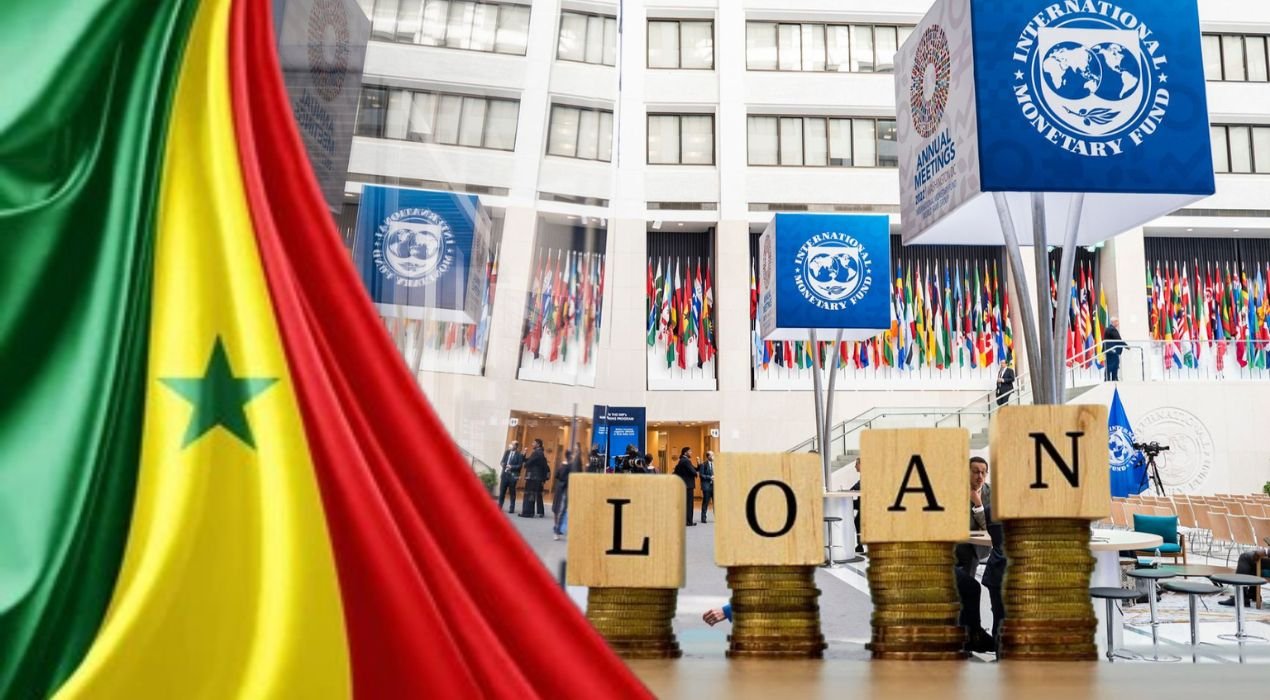
The International Monetary Fund (IMF) and Senegal reached an agreement in principle on Tuesday, September 1, 2026, for a $2.2 billion loan aimed at supporting Dakar and helping restore the country’s financial stability. Senegal is struggling with a debt burden estimated at 132% of GDP.
The agreement comes nearly two years after the IMF suspended its previous $1.8 billion financing programme following the discovery by Senegalese authorities of more than $9 billion in previously undisclosed debt accumulated under the previous administration.
The new 36-month programme, under the IMF’s Extended Credit Facility (ECF), still requires approval from the Fund’s Executive Board. The IMF said the agreement is also linked to the implementation of “resolute corrective measures” to prevent public debt from being concealed again.
According to Mercedes Vera Martin, who led the IMF mission to Senegal from August 19 to September 1, the agreement also depends on receiving the necessary financing assurances from Senegal’s international partners.
Senegal Commits to Addressing Its Debt
The agreement in principle provides a first major financial lifeline for Senegal. Since the suspension of the previous IMF programme, Dakar has continued borrowing to service its debt, increasingly at higher interest rates.
Economy and Finance Minister Cheikh Diba has highlighted the scale of the pressure, noting that for every 100 CFA francs collected by the Senegalese state, around 25 CFA francs are currently used to pay debt interest.
Under the new programme, the IMF is expected to release funds in instalments every six months between 2026 and 2029, up to the total amount of $2.2 billion.
The financing is intended both to help Senegal manage its debt obligations and to support the government’s economic and financial reform programme.
Dakar Must Make Its Debt Sustainable
As part of the agreement, Senegal has committed to “addressing its debt” to ensure that it becomes sustainable and remains repayable.
Whether this will involve renegotiating repayment schedules with banks or undertaking a broader restructuring remains unclear.
Cheikh Diba did not provide details on the government’s approach, stressing instead that Senegal would continue to meet its obligations while making adjustments on a case-by-case basis.
“Debt treatment is therefore not an end in itself. It is a means of gradually reducing pressure on the budget, restoring the state’s room for manoeuvre and preserving our ability to finance national priorities.”
Debt Restructuring Remains Politically Sensitive
The question of debt restructuring remains highly sensitive in Senegal.
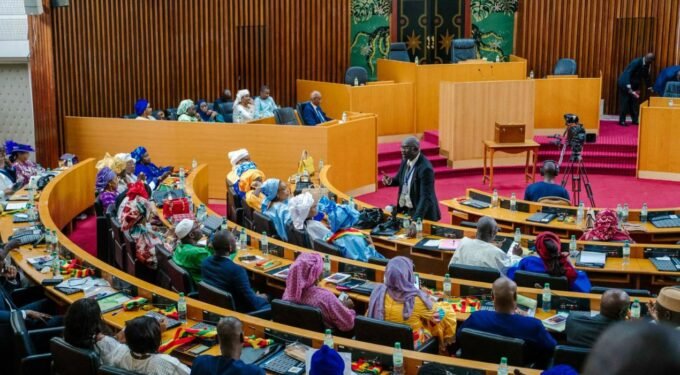
The government led by former Prime Minister Ousmane Sonko, who became parliamentary speaker after being dismissed as prime minister by President Bassirou Diomaye Faye in May, had previously ruled out restructuring the country’s debt despite recommendations from several experts.
The new IMF agreement therefore marks a significant step for Dakar, but its implementation will depend on the government’s ability to restore confidence in Senegal’s public finances while carrying out the reforms required by the Fund.




Leave a comment