

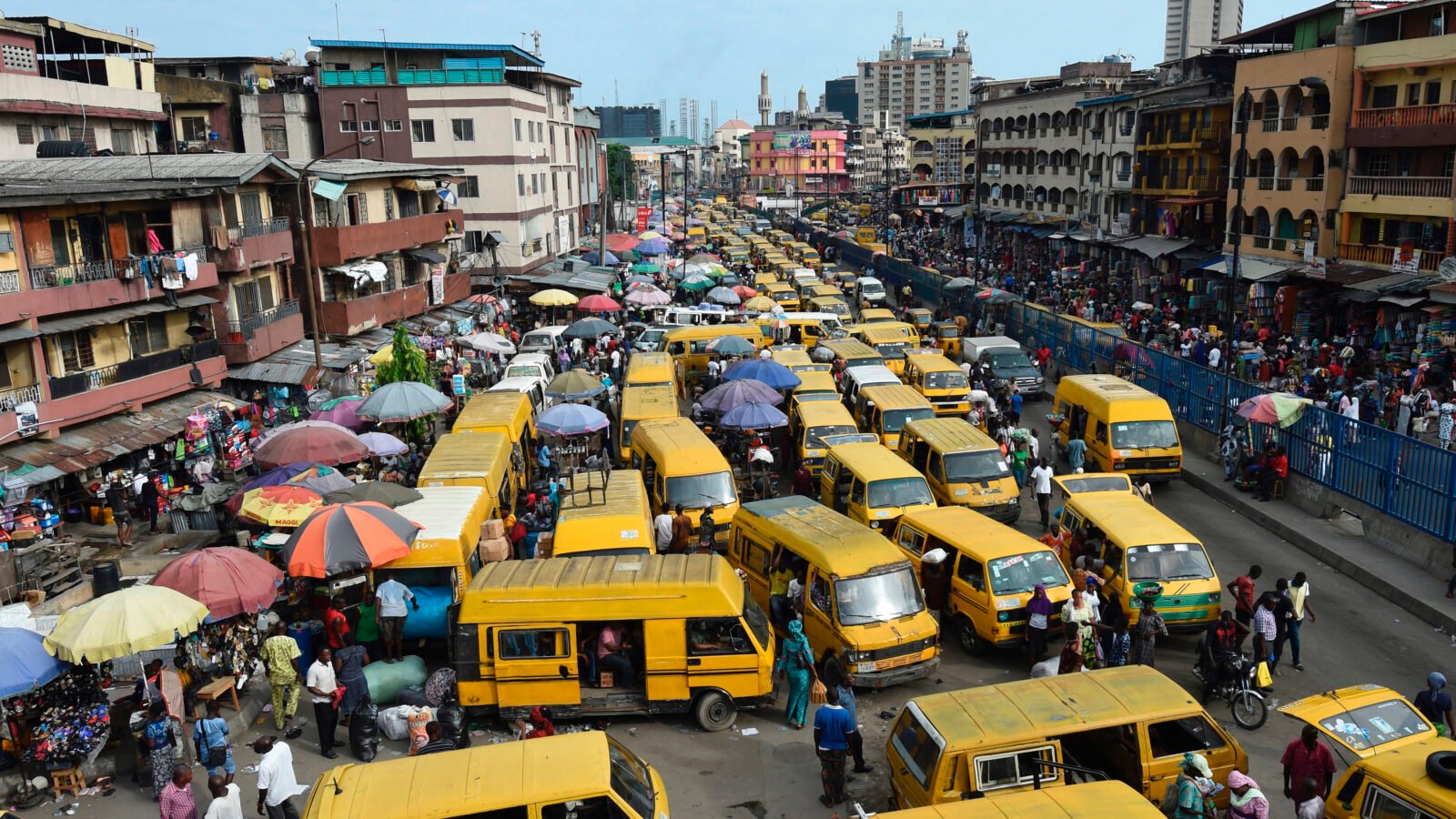
Africa’s demographic trajectory is reshaping global population dynamics. With a median age below twenty in many countries and rapid rural to urban migration, cities are expanding at extraordinary speed.
According to United Nations projections, Africa’s urban population will more than double by mid century. Cities such as Lagos, Kinshasa, Dar es Salaam, and Abidjan are becoming megacities in real time.
Economic Opportunity and Innovation
Urban environments foster innovation. Technology clusters in Nairobi, fintech ecosystems in Lagos, and creative industries in Johannesburg illustrate how dense populations can generate economic dynamism.
Youth driven entrepreneurship is particularly visible in digital services, logistics platforms, and creative sectors.
Infrastructure and Inequality Pressures
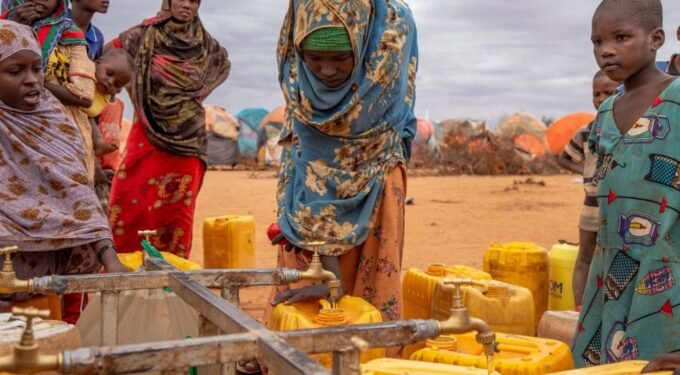
However, rapid expansion places strain on housing, water supply, sanitation systems, and transport networks. Informal settlements continue to house significant portions of urban residents.
Inclusive urban planning is becoming a policy priority. Governments and development banks are investing in mass transit systems, renewable energy integration, and smart city initiatives.
Africa’s urban transformation will significantly shape its development trajectory. If well managed, cities could become engines of inclusive growth. If neglected, inequality and congestion could undermine economic gains.









Leave a comment