

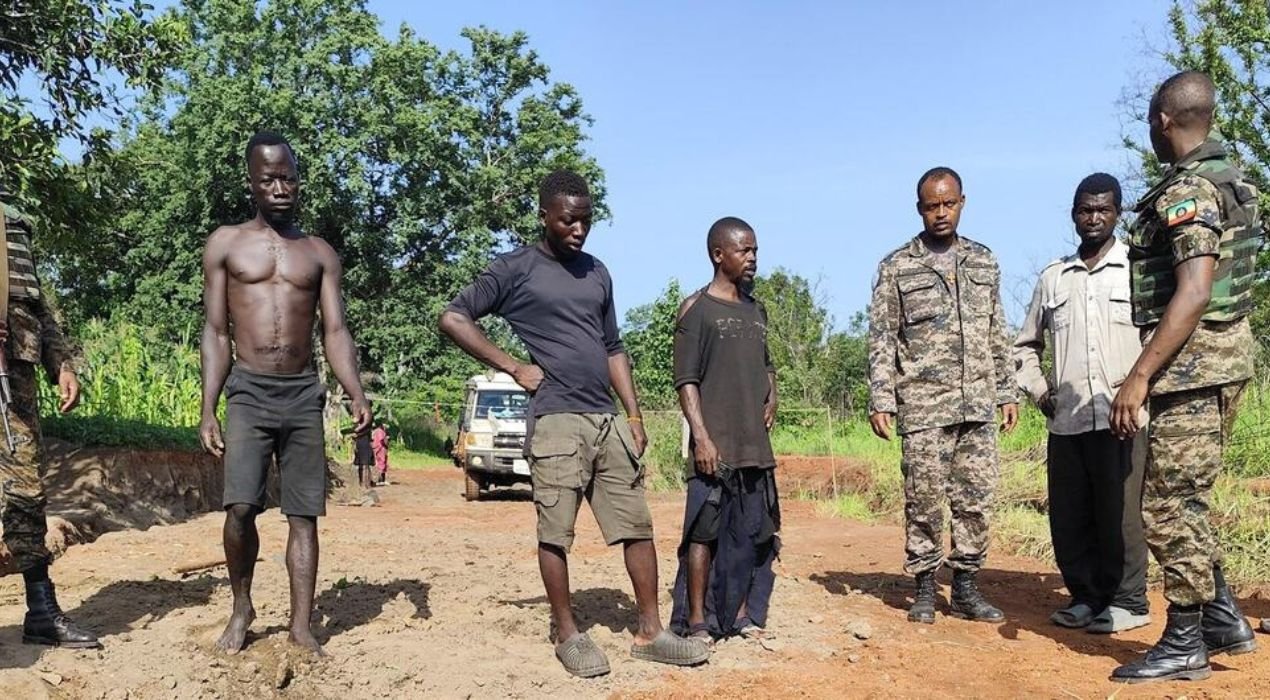
A new United Nations report has raised concerns over possible war crimes committed by both sides in Sudan, where a devastating conflict between the Sudanese Armed Forces (SAF) and the Rapid Support Forces (RSF) has continued for more than four years. The war has displaced more than six million people inside Sudan and forced another 4.5 million to flee the country, according to the United Nations.
UN High Commissioner for Human Rights Volker Türk has called for an immediate ceasefire, an end to all foreign interference and a return to civilian government. The appeal follows an investigation by independent experts mandated by the UN Human Rights Council, which documented the growing use of long-range drones against civilians and alleged external support for the RSF from actors based in the United Arab Emirates, Chad, Libya and Somalia.
Civilians increasingly targeted by drone strikes
The investigators documented drone strikes hitting residential areas, schools, hospitals and markets, raising serious concerns over possible violations of international humanitarian law. Among the incidents highlighted in the report were RSF drone strikes on a kindergarten and a hospital in Kalogie, which reportedly killed 114 people, including 60 children. The investigators also documented strikes by Sudanese armed forces on Ad-Da’ein Teaching Hospital, which reportedly killed at least 70 people. The findings add to growing concerns over the impact of the conflict on civilians, as both sides continue to use increasingly sophisticated weaponry in populated areas.
Sudan’s health system under severe pressure
The World Health Organization (WHO) has meanwhile warned that Sudan’s already fragile healthcare system is facing further destruction. In Khartoum, three major teaching hospitals — including university, ophthalmology and dental facilities — have suffered extensive damage. According to the WHO, similar destruction has been reported across the country. The attacks have severely reduced access to essential healthcare at a time when millions of Sudanese are already facing displacement, hunger and disease outbreaks.
No immediate end to the war
The latest UN findings underline the growing humanitarian and health crisis in Sudan, while diplomatic efforts have yet to produce a lasting ceasefire. Volker Türk has urged the warring parties to immediately halt hostilities and return to a political process aimed at restoring civilian rule. With millions displaced and vital civilian infrastructure continuing to come under attack, Sudan’s war shows little sign of an immediate resolution.








Leave a comment