

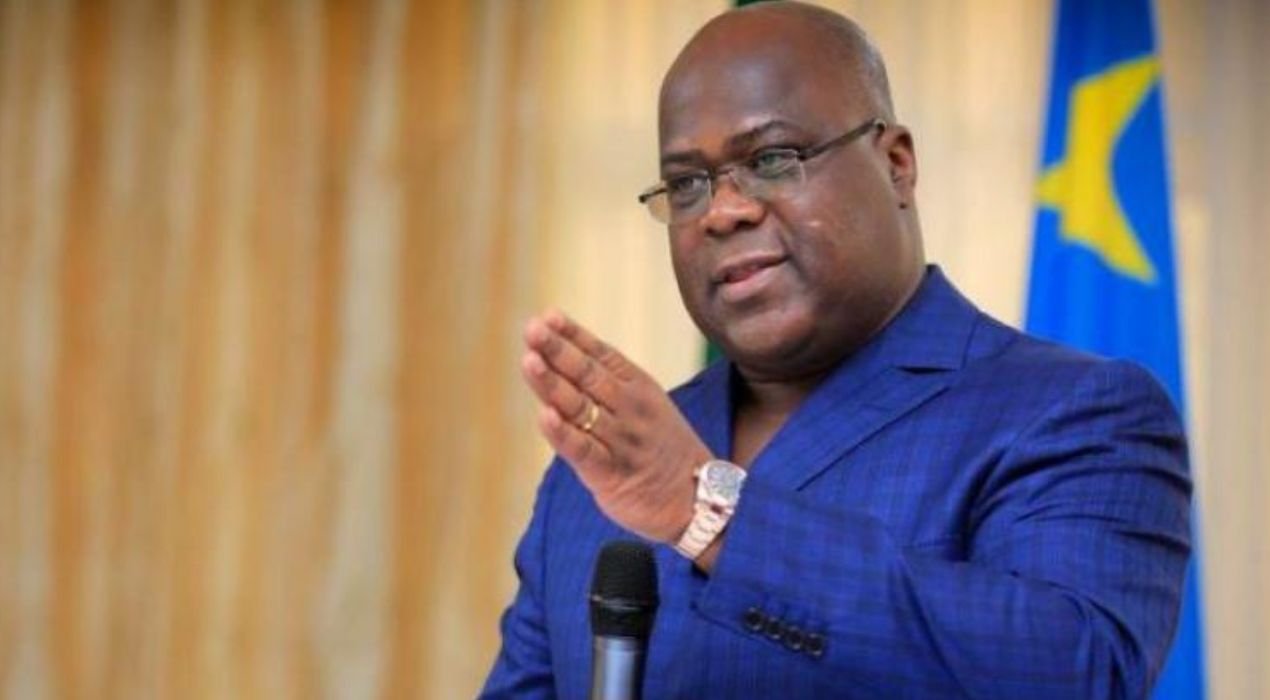
Kinshasa, May 6, 2026 — The possibility of a third presidential term for Félix Tshisekedi is no longer off the table. Speaking at a press conference held Wednesday evening in Kinshasa, the Congolese head of state addressed growing debate over a potential constitutional reform that could allow him to remain in power beyond his current mandate.
The reform initiative, backed by the presidential camp, has sparked intense controversy in recent months. Both the Catholic and Protestant Churches have voiced strong opposition, warning against any attempt to revise Article 220 of the Constitution, which limits the president to two terms in office.
Responding to the criticism, President Tshisekedi emphasized that any decision would ultimately rest with the people. “If the Congolese people ask me to return, I am at their disposal,” he said. He also stressed that any constitutional change would require public approval. “If any revision is to take place, it will never happen without consulting the population through a referendum,” he added, according to remarks reported by RFI.
Beyond the constitutional debate, the president raised concerns about the ongoing conflict in the eastern Democratic Republic of Congo and its potential impact on the electoral calendar. He warned that the continuation of hostilities could jeopardize the organization of the 2028 elections.
“If we cannot end this war, unfortunately we will not be able to organize elections in 2028,” Tshisekedi stated. “Not because I would refuse to hold them—the resources are available—but we cannot conduct elections without North and South Kivu. How can elections be organized under such conditions?”
Drawing a parallel with the ongoing war in Ukraine, he noted that exceptional circumstances can delay democratic processes. “Look at Ukraine. It has been two years since elections were expected. The whole world understands that President Zelensky cannot organize them,” he said.
The remarks are likely to fuel further political debate in the DRC, where tensions are already high over governance, security, and the future of democratic institutions.







Leave a comment