

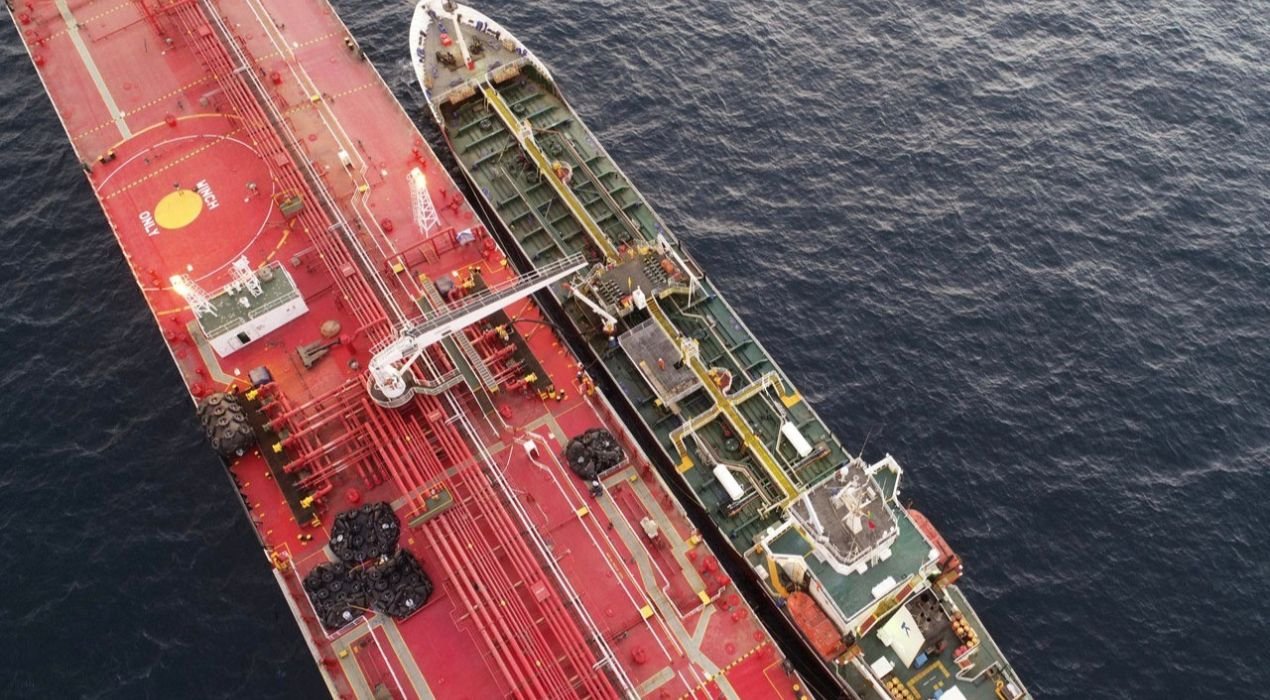
Madagascar is moving toward a major overhaul of its fuel import system, with the state-owned State Procurement of Madagascar (SPM) gradually taking over a role previously shared by the country’s four main fuel distributors. For the past month, SPM has also been involved in supplying petroleum products to the island. A law that came into force in early August goes further, providing for SPM to eventually become the sole entity responsible for importing hydrocarbons, after a transitional period whose duration has not been disclosed.
The government says the new system will give the state greater flexibility to select suppliers and negotiate better prices on international markets. But private oil companies operating in Madagascar warn that the reform could weaken the country’s energy security.
The Petroleum Group of Madagascar, which represents private fuel distributors, has described the move as a potential “loss of strategic autonomy” and a “de facto nationalisation” of the sector in a recent advocacy document.
One state-controlled importer
For more than 25 years, private oil companies in Madagascar have selected their suppliers through open tenders. Once the transition is completed, however, they will be required to obtain their supplies directly from SPM.
Created in 2019, SPM has so far been mainly involved in the procurement of rice. The authorities argue that centralising fuel imports could allow Madagascar to secure more competitive prices on the international market.
An energy expert who spoke anonymously, however, questioned whether SPM has the financial capacity and experience to take on such a strategic responsibility.
“SPM has only 100 million ariary in capital, around €20,000,” the expert said, warning that major international traders could add additional margins because the state company has no previous experience in importing oil.
The reform would also concentrate financial risks that were previously spread among several private importers into a single state-controlled entity.
Concerns over supply disruptions
The new law requires traditional distributors to resume imports if SPM fails to meet its obligations. The Petroleum Group of Madagascar nevertheless warns that such a safeguard may not be enough to prevent supply disruptions.
Rebuilding international supply chains at short notice could prove difficult, as fuel imports are typically planned several months in advance.
Another major concern is the origin of the petroleum products that SPM will import, particularly as Madagascar has been strengthening its ties with Russia.
Russian President Vladimir Putin identified energy as a potential area of cooperation with Madagascar during Michaël Randrianirina’s visit to the Kremlin in February 2026. However, oil companies operating in Madagascar are barred from selling Russian oil because of international sanctions.
The Petroleum Group also points to compliance requirements imposed by major customers, including airlines, construction and telecommunications companies, as well as large mining groups.
These businesses often require strict guarantees regarding the traceability and origin of petroleum products. Without clear certification of where state-imported fuel comes from, the group warns that some products could potentially become unusable for strategic customers.
Madagascar’s fuel-import reform therefore puts the government’s ambition for greater control and lower prices up against concerns over financial capacity, supply security, international sanctions and product traceability.









Leave a comment