

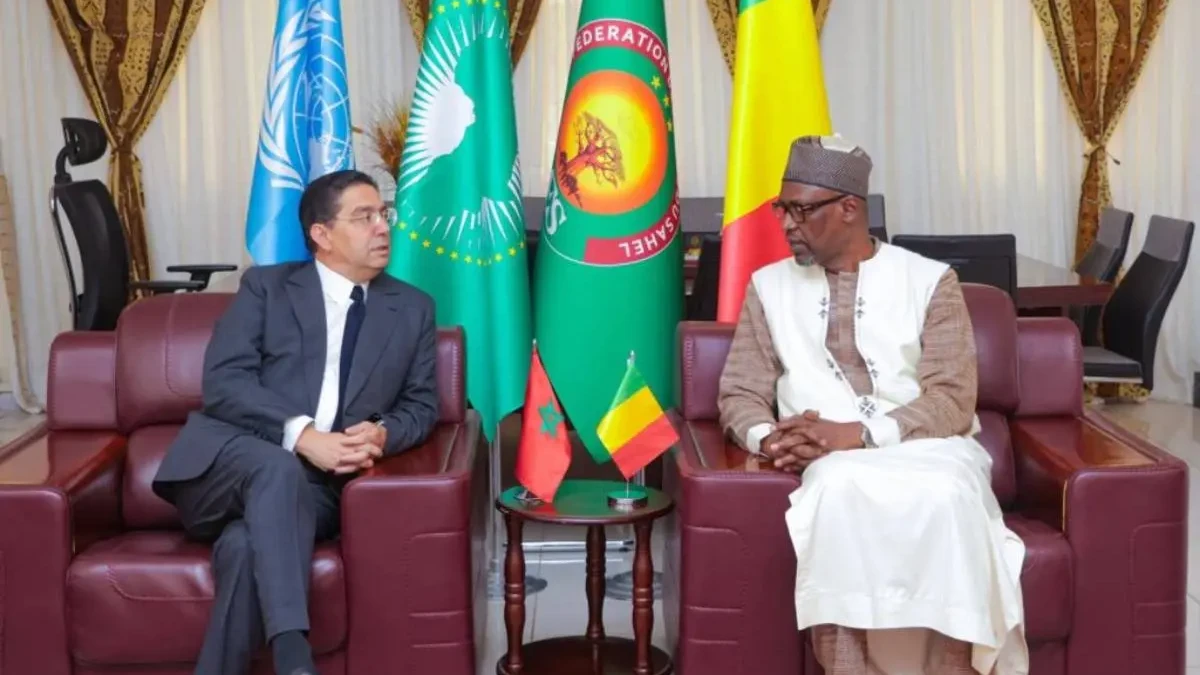
Mali has officially withdrawn its recognition of the Sahrawi Arab Democratic Republic (SADR), aligning itself with Morocco’s autonomy plan as the primary framework for resolving the Western Sahara conflict. The Malian government also endorsed UN Security Council Resolution 2797, signaling support for an internationally backed political process.
A Regional Trend Reshaping African Diplomacy
Mali is now the fourth Sahelian country in 2026 to revise its position on the Sahara issue. This shift reflects a broader geopolitical realignment across the region, where states are recalibrating alliances in response to security and political pressures. The move strengthens Morocco’s diplomatic position within Africa while further isolating the Polisario Front’s claims on the continent.Security Pressures Driving Policy Change
Mali’s decision comes amid persistent instability in its northern regions, where separatist movements continue to challenge state authority. Analysts point to Bamako’s security concerns as a key factor behind its diplomatic repositioning. Regional dynamics, including tensions involving external actors, have also influenced Mali’s shift toward partners perceived as offering more reliable cooperation.
Morocco’s Strategic Diplomacy Pays Off
Morocco’s engagement strategy—combining political dialogue with concrete incentives—has played a decisive role. Initiatives such as visa facilitation and educational opportunities have strengthened Rabat’s influence among Sahelian states. This approach underscores a broader effort to consolidate support for its autonomy proposal at both regional and international levels.
Declining Influence of Algeria in the Sahel
Mali’s policy shift is widely seen as part of a gradual decline in Algeria’s influence in the Sahel. The evolving balance of power suggests a reconfiguration of regional alliances, with long-term implications for African geopolitics.
Outlook: Momentum Builds Around Autonomy Proposal
As more African countries rally behind Morocco’s plan, its viability as a political solution gains momentum. The coming months will be critical in determining whether this trend translates into broader international consensus.










Leave a comment