

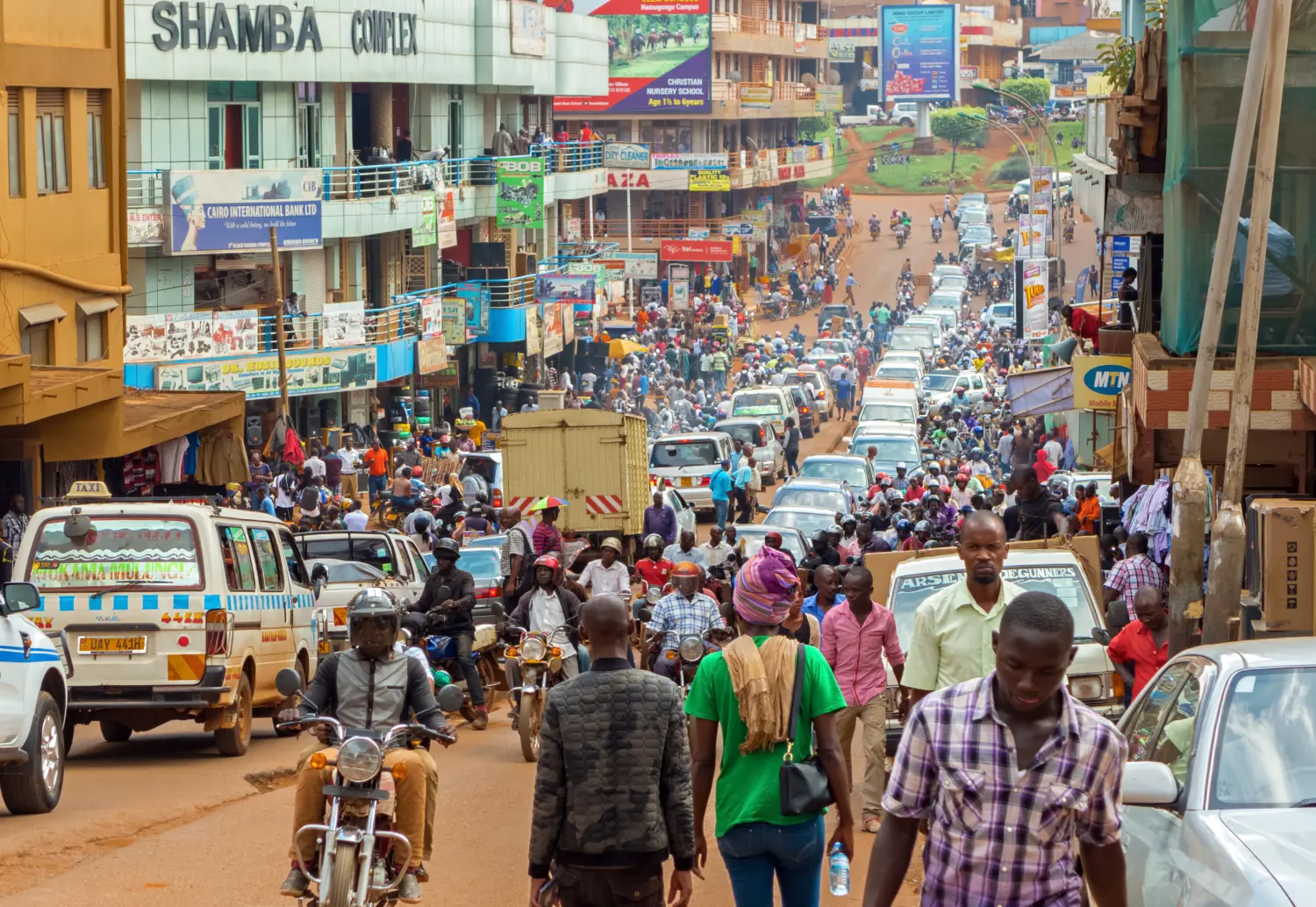
Migration narratives about Africa often focus on departures toward Europe or other continents. In reality, most African migration occurs within the continent itself, shaping regional economies and cultural exchange.
Cross border mobility supports trade networks, seasonal labor markets, and entrepreneurial ecosystems. Informal traders move goods daily across frontiers, sustaining livelihoods and ensuring the circulation of agricultural and manufactured products between neighboring states.
Regional agreements promoting freedom of movement aim to formalize these longstanding practices. By easing visa restrictions and harmonizing travel documentation, governments seek to facilitate legal mobility while strengthening economic cooperation.
However, infrastructure limitations and administrative inconsistencies continue to hinder seamless movement. Border procedures, transport connectivity, and regulatory alignment remain key areas requiring modernization.
Recognizing migration as an economic asset rather than a security concern could significantly enhance Africa’s integration agenda and unlock the potential of its mobile workforce.











Leave a comment