
Morocco’s economy is showing resilience amid global uncertainty, with the country’s High Commission for Planning (HCP) forecasting growth of 4.8% in 2026, driven by a strong recovery in agriculture and rising investment.
An expected cereal harvest of nearly nine million tonnes, major infrastructure projects linked to the 2030 FIFA World Cup and continued investment are helping sustain economic activity, reinforcing Morocco’s position as a resilient economy in a challenging international environment.
Strong harvest and major infrastructure projects drive growth
After several years of drought, Morocco’s agricultural sector is showing signs of a significant recovery. The cereal harvest for the 2025–2026 season is expected to reach nearly 90 million quintals, equivalent to nine million tonnes.
The HCP forecasts a 19.1% increase in agricultural value added in 2026, making the sector a key contributor to economic growth.
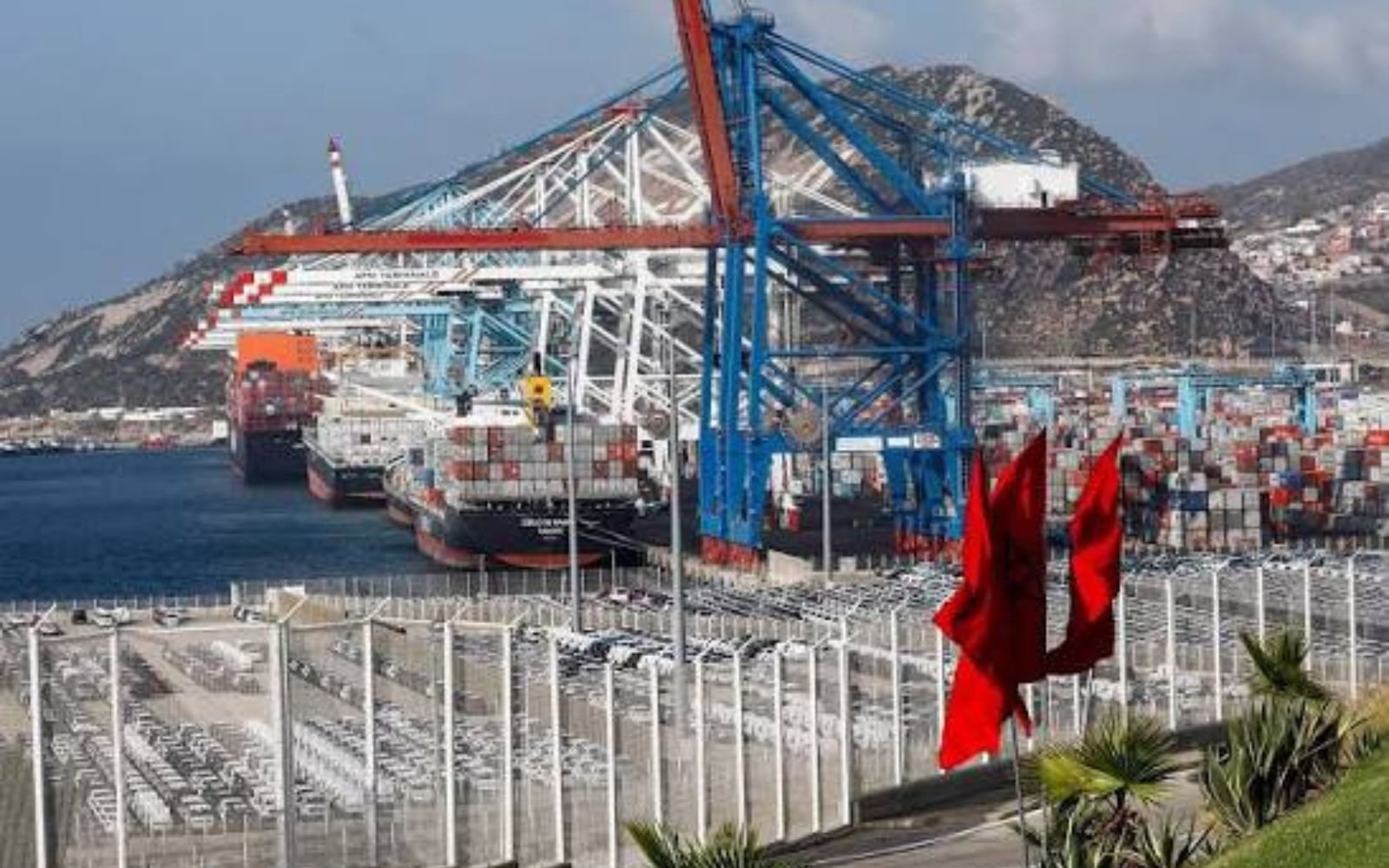
Investment is another major driver. Gross fixed capital formation is projected to rise by 9.5%, supported in part by large-scale infrastructure projects linked to Morocco’s preparations to co-host the 2030 FIFA World Cup.
Public finances are also expected to remain under control. According to the HCP, the budget deficit should narrow to 3.4% of gross domestic product (GDP) in 2026, compared with 3.5% in 2025.
IMF highlights Morocco’s economic resilience
The International Monetary Fund (IMF) also expects Morocco to maintain solid growth, although its forecast is more conservative than that of the HCP.
In its October 2026 World Economic Outlook, the IMF projects Moroccan economic growth of 4.5% in 2026, with inflation expected to remain at just 0.9%.
The outlook contrasts with the broader regional picture. The Middle East and North Africa region is projected to contract by 2% in 2026, while global economic growth is forecast at 3.1%.
These projections underline Morocco’s relative resilience, supported by agricultural recovery, infrastructure spending and investment.
Rising imports reflect investment needs
Despite the positive outlook, Morocco faces external pressures. Slower demand from key European trading partners and a sharp rise in imports are weighing on its trade balance.
According to the HCP, imports are expected to increase by 10.5% in value, contributing to a widening trade deficit.
However, part of this increase reflects the country’s investment drive, including purchases of equipment and materials needed for major infrastructure projects. Tourism revenues and foreign investment are helping offset some of these pressures.
Morocco’s current strategy is therefore centred on sustaining investment today to support future growth, with infrastructure development and preparations for the 2030 World Cup expected to remain important economic drivers.




Leave a comment