

The World Bank mobilised a record $22 billion in private capital for Africa, up 150% in four years from $9 billion, the institution announced on Thursday, September 17. The increase comes as official development assistance to Africa fell by 26% in 2025, making private investment an increasingly important source of financing for development projects across the continent.
Attracting private investors has become a priority for the World Bank, which has accelerated its procedures and developed new financial tools, particularly guarantees designed to reduce investment risks.
Under these mechanisms, the bank can guarantee part of a project’s financing, making it more attractive to private investors. In Côte d’Ivoire, for example, the World Bank guaranteed nearly $30 million for an operation worth more than $100 million, aimed at financing around 600,000 new electricity connections.
The institution is also seeking to address another major obstacle to private investment in Africa: currency risk. It is developing mechanisms to help investors protect themselves against exchange-rate fluctuations while increasing financing in local currencies.
These instruments can also make it easier for local investors to participate in development projects.
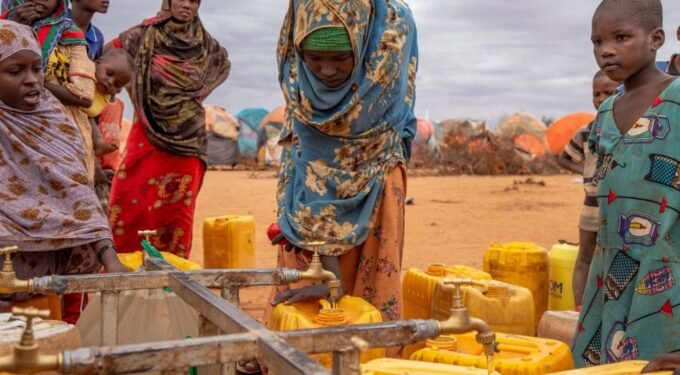
However, the strategy faces a major challenge. Private investors remain much harder to attract to the continent’s poorest countries. In low-income countries, the amount of private capital mobilised by the World Bank has remained almost unchanged, at around $3 billion.
The figures highlight a persistent gap between efforts to attract private investment and the financing needs of Africa’s most vulnerable economies.








Leave a comment