
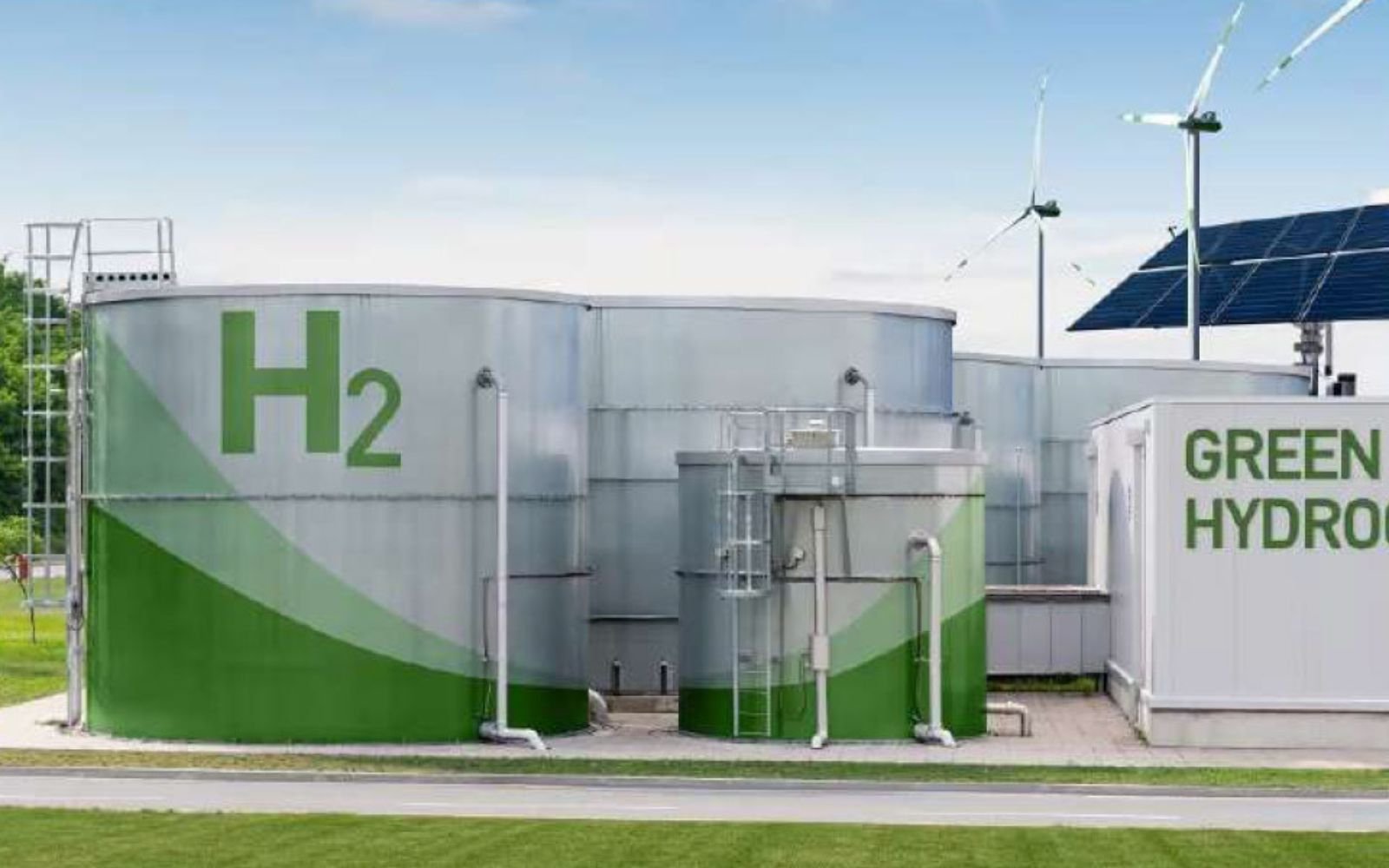
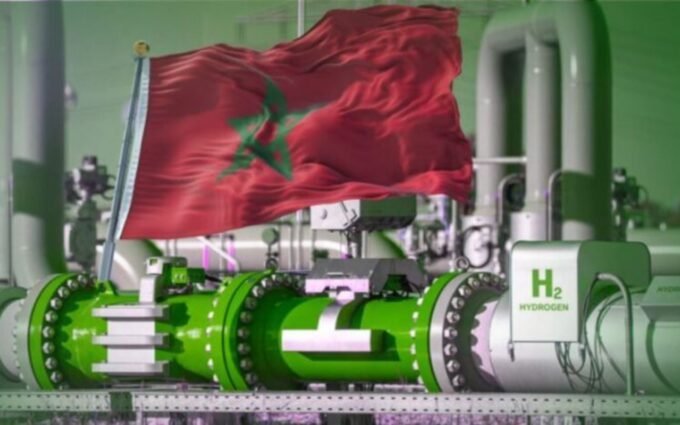
Morocco is emerging as Africa’s most cost-competitive producer of green hydrogen, with production costs starting at $3.20 per kilogram, according to the International Energy Agency’s (IEA) Global Hydrogen Review 2026. The North African kingdom’s renewable energy resources and early investment in the sector are strengthening its ambitions to become a major clean energy supplier to Africa and Europe.
The report highlights Morocco’s cost advantage over other African countries and comes as the kingdom moves from strategic planning towards the development of concrete green hydrogen projects.
Morocco records Africa’s lowest production costs
According to the IEA, Morocco can produce green hydrogen at a starting cost of $3.20 per kilogram, compared with $4.20 in Kenya and $5.10 in Mauritania. Costs in Namibia and Angola are estimated at around $6.50 per kilogram.
Morocco’s competitive position reflects its strong solar and wind resources, which offer favourable conditions for renewable electricity generation. The cost of capital is another important factor influencing the final price of hydrogen, the IEA notes.
The country has also made a strategic choice to focus on renewable hydrogen, while some other countries continue to consider production pathways linked to fossil fuels.
Morocco adopted its national hydrogen strategy in 2021, giving it an early start in developing a regulatory framework and attracting investors to the emerging sector.
2026 marks a shift towards project development
Through its “Morocco Offer” initiative, the government has established an investment framework designed to attract domestic and international companies. The programme includes an initial land allocation of approximately 300,000 hectares, potential investment support of up to 30%, tax incentives and assistance with infrastructure development.
In February 2026, six projects signed preliminary land reservation agreements for developments in Morocco’s southern regions. The participants include phosphate and fertiliser group OCP and a consortium involving Taqa Morocco and Spain’s Cepsa.
These projects form part of Morocco’s broader ambition to develop an integrated green hydrogen industry, from renewable electricity generation to production and potential exports.
German-backed pilot project targets 10,000 tonnes annually
A key component of the strategy is the “Power to X” pilot project in the Guelmim-Oued Noun region, led by the Moroccan Agency for Sustainable Energy (Masen).
Supported by €300 million in loans and grants from Germany’s development bank KfW, the project aims to produce 10,000 tonnes of green hydrogen annually. It is designed around a hybrid solar and wind power plant with a capacity of 200 megawatts, alongside an electrolyser of at least 100 megawatts.
The project is intended to help establish the technical and industrial foundations needed to scale up production. Its commissioning is targeted for 2026.
Morocco targets a role in global clean energy markets
With competitive renewable energy resources, an investment framework aimed at international developers and pilot projects moving towards implementation, Morocco is seeking to turn its green hydrogen ambitions into an industrial opportunity.
The challenge will be to translate its cost advantage into commercially viable production, secure long-term buyers and develop the infrastructure needed for large-scale exports.
If these conditions are met, green hydrogen could become an important pillar of Morocco’s energy transition and strengthen its position as a future supplier of low-carbon energy to European and African markets.






Leave a comment