

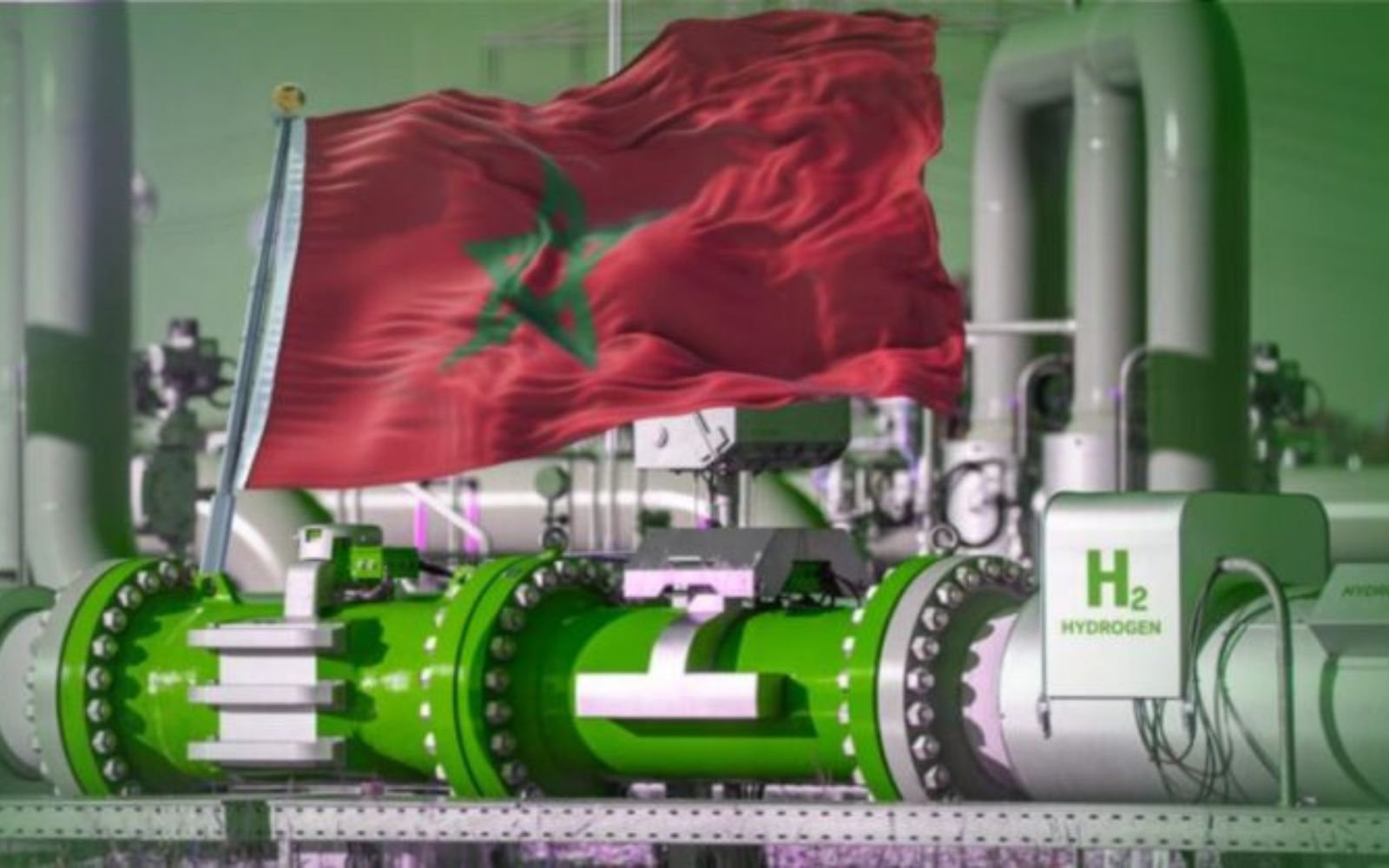
Morocco is accelerating its push into green hydrogen, with a German-backed pilot project, the selection of international investment consortia and major developments planned in the country’s southern regions. With abundant sunshine, strong wind resources, available land and close links to Europe, the North African kingdom is seeking to establish itself as a leading African hub for green hydrogen.
German-backed pilot project planned for the south
Led by the Moroccan Agency for Sustainable Energy (Masen), a pilot project in the Guelmim-Oued Noun region aims to produce 10,000 tonnes of green hydrogen annually.
The project will rely on a hybrid solar and wind power plant with a capacity of 200 megawatts (MW), alongside an electrolyser of at least 100 MW. Germany’s development bank, KfW, is supporting the initiative with €300 million in loans and grants.
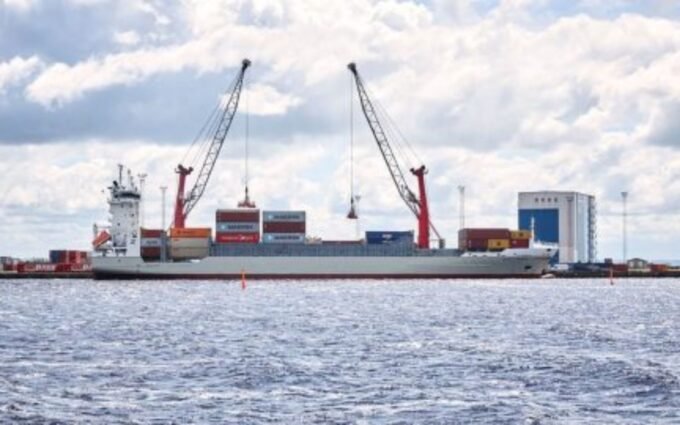
Water for the facility will come from a desalination plant in Tan-Tan. The city’s port could also serve as an export outlet for the future production.
International investors selected for major projects
In February 2026, Energy Transition Minister Leila Benali announced the selection of six consortia to develop seven projects across Morocco’s three southern regions.
The selected groups include Moroccan phosphate giant OCP and a consortium bringing together Taqa Morocco and Spanish energy company Cepsa.
Together, the projects aim to develop nearly 20 gigawatts (GW) of renewable energy capacity over the longer term.
Benali said the sector was moving “from a logic of intentions to a dynamic of operational structuring,” signalling a shift towards the implementation of concrete projects.
Morocco seeks to become a clean energy supplier to Europe
The initiatives build on a partnership established between Morocco and Germany in 2020 and reflect Rabat’s ambition to become a major supplier of clean energy to European markets.
By combining renewable energy resources with infrastructure for hydrogen production, desalination and potential exports, Morocco is positioning green hydrogen as a key component of its long-term energy strategy.








Leave a comment