

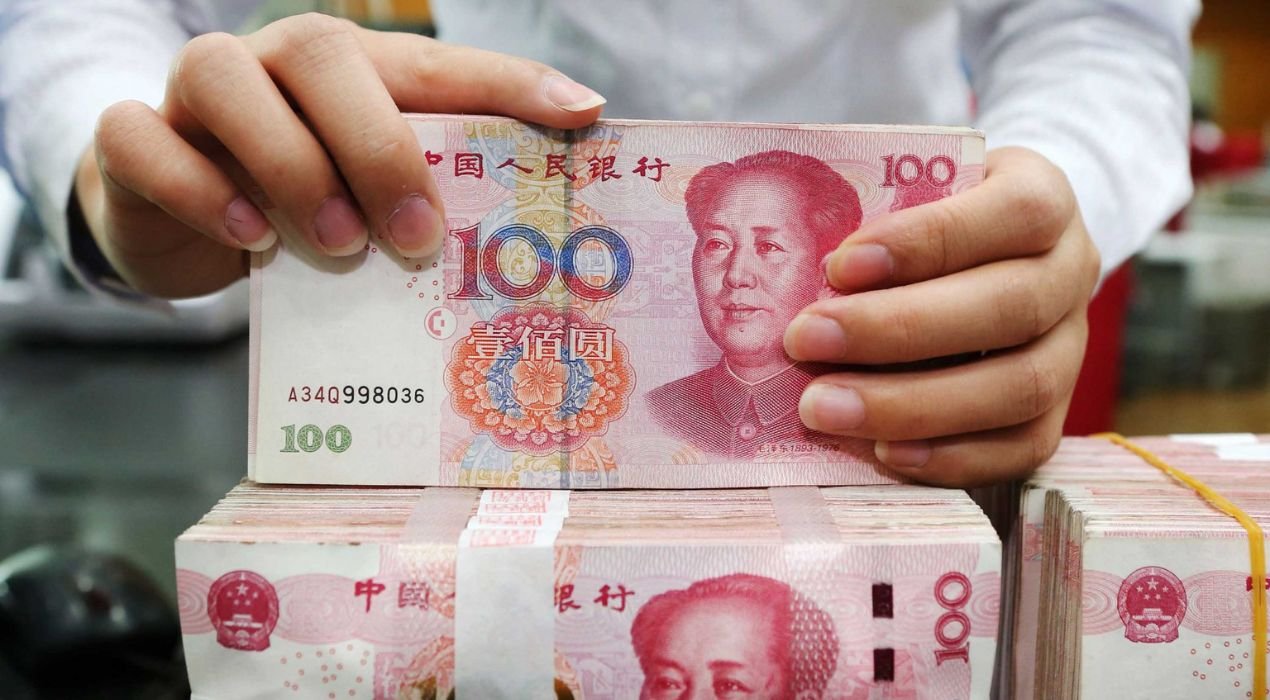
After years of expanding its presence in African infrastructure, mining and trade, China is now seeking to strengthen its monetary influence across the continent. An increasing number of African countries are using the Chinese yuan directly to pay for imports, service Chinese loans and, in some cases, collect taxes and royalties. The trend is being encouraged by Beijing as part of its broader efforts to reduce the dominance of the US dollar in international trade.
Yuan increasingly used in African trade
In Zambia, Chinese mining companies can now pay taxes and royalties in yuan.
In Kenya, part of the debt used to finance the country’s railway has been converted from US dollars into the Chinese currency.
Meanwhile, in Angola, a major commercial bank is preparing to join CIPS, China’s cross-border payment system designed to facilitate international transactions in yuan.
The trend is already extending beyond these countries. Standard Bank can currently process yuan-denominated payments in 19 African countries, further facilitating trade between African economies and China.
Beijing seeks to reduce reliance on the dollar
For China, the strategy is straightforward: if China is Africa’s largest trading partner, Beijing argues, there is less reason for African countries to rely systematically on the US dollar when conducting transactions with Chinese companies.
The growing use of the yuan could reduce transaction costs and exposure to fluctuations between African currencies and the dollar.
It also fits into China’s broader ambition to increase the international role of its currency and develop alternatives to the dollar-dominated global financial system.
A new form of dependence?
For African governments, using the yuan offers potential advantages but also carries significant risks.
Reducing dependence on the US dollar could simultaneously increase dependence on China. Unlike major reserve currencies such as the dollar, the yuan remains tightly managed by Beijing and is not fully convertible.
Its share of global international payments also remains relatively limited compared with the US currency.
For African economies, the issue is therefore not simply about choosing between two currencies. It is also about preserving financial flexibility while deepening economic relations with one of the continent’s most important trading partners.
China turns trade power into monetary influence
The yuan’s growing presence in Africa illustrates how China’s economic strategy is evolving.
Beijing has already built a powerful position through trade, infrastructure projects, mining investments and lending. Encouraging African partners to use the Chinese currency could now allow China to convert that commercial influence into greater monetary and financial influence.
The yuan is still far from challenging the dollar’s global dominance. But its expanding role in African trade shows that China’s monetary ambitions are becoming increasingly visible on the continent.














Leave a comment