

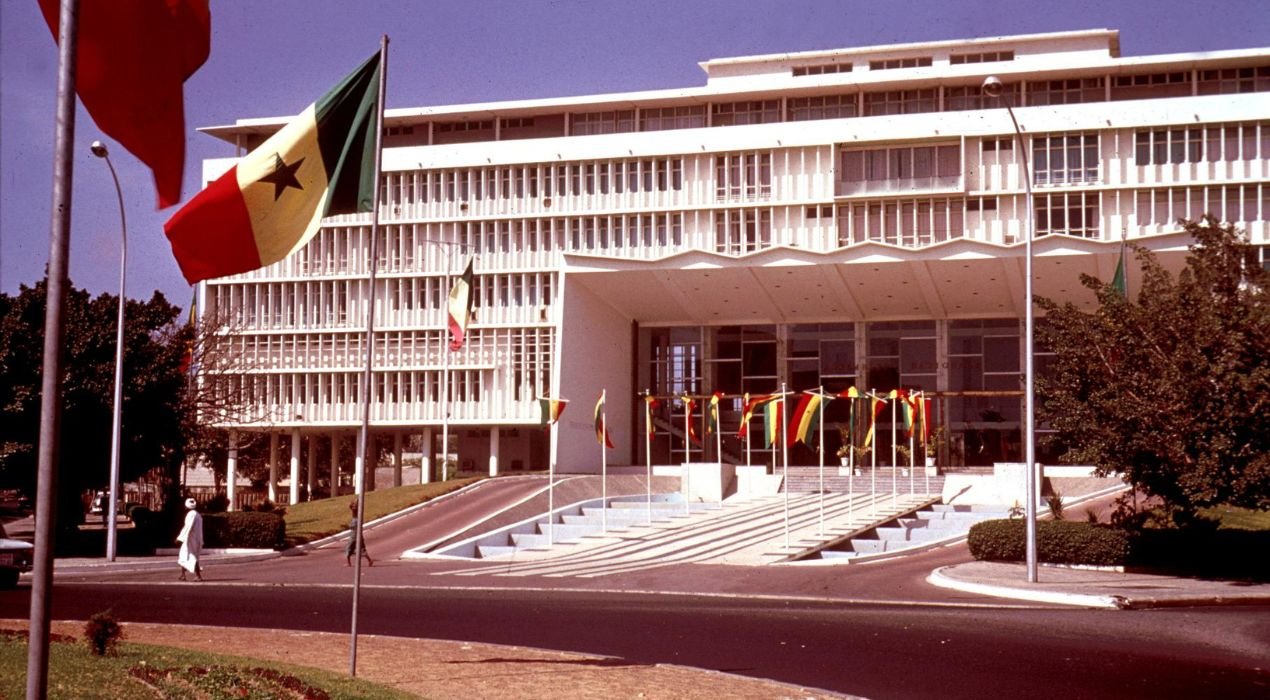
Senegal’s National Assembly President Ousmane Sonko opened the country’s first extraordinary parliamentary session of the year on Monday, August 10, with lawmakers set to examine five bills over the next 15 days.
Two of the proposed laws, backed by the ruling Pastef majority, will be considered under an expedited procedure. Both measures carry strong political implications and are likely to revive the growing tensions between Sonko’s camp and that of President Bassirou Diomaye Faye.
Pastef renews push to amend Constitution
One of the bills once again seeks to amend Article 37 of Senegal’s Constitution.
The proposed amendment would require the president to declare his assets at the end of his term, rather than only when taking office. The same provision was included in a constitutional reform passed by lawmakers in late June.
However, Senegal’s Constitutional Council subsequently struck down the reform, delivering a major setback to Sonko’s political camp.
The decision did not end the debate. Pastef has now brought the issue back before Parliament as part of the new extraordinary session.
New rules proposed for presidential “secret funds”
The second Pastef-backed bill seeks to introduce tighter controls over special funds, commonly referred to as “secret funds”, allocated to the presidency and the prime minister’s office.
Under the proposed framework, a restricted parliamentary committee could be granted oversight powers over how these funds are used.
The issue has become one of the most sensitive points of disagreement between Ousmane Sonko and Bassirou Diomaye Faye and was reportedly among the disputes that contributed to the breakdown of their political relationship in May.
Political science professor Moussa Diaw of Gaston Berger University in Saint-Louis believes the two bills are part of a broader political strategy.
According to Diaw, “Pastef wants to force the president to be accountable”, particularly as Faye moves forward with the financing and development of his new political party, Kiiraay.
Three government bills also on the agenda
Beyond the politically charged proposals, lawmakers will examine three bills introduced by the government.
They concern the Social Security Code, the Labour Code and a new digital security law.
Cybersecurity has become an increasingly urgent issue for Senegal. Since October, three Senegalese institutions have reportedly been targeted by cyberattacks, increasing pressure on authorities to strengthen the country’s digital infrastructure and legal framework.
The extraordinary session therefore combines economic and institutional reforms with a renewed political confrontation between the country’s two former allies, as tensions continue to reshape Senegal’s political landscape.











Leave a comment